vs-navi.online is a participant in the Amazon Services LLC Associates Program. Purchases made through links on this page may earn us a commission at no extra cost to you.
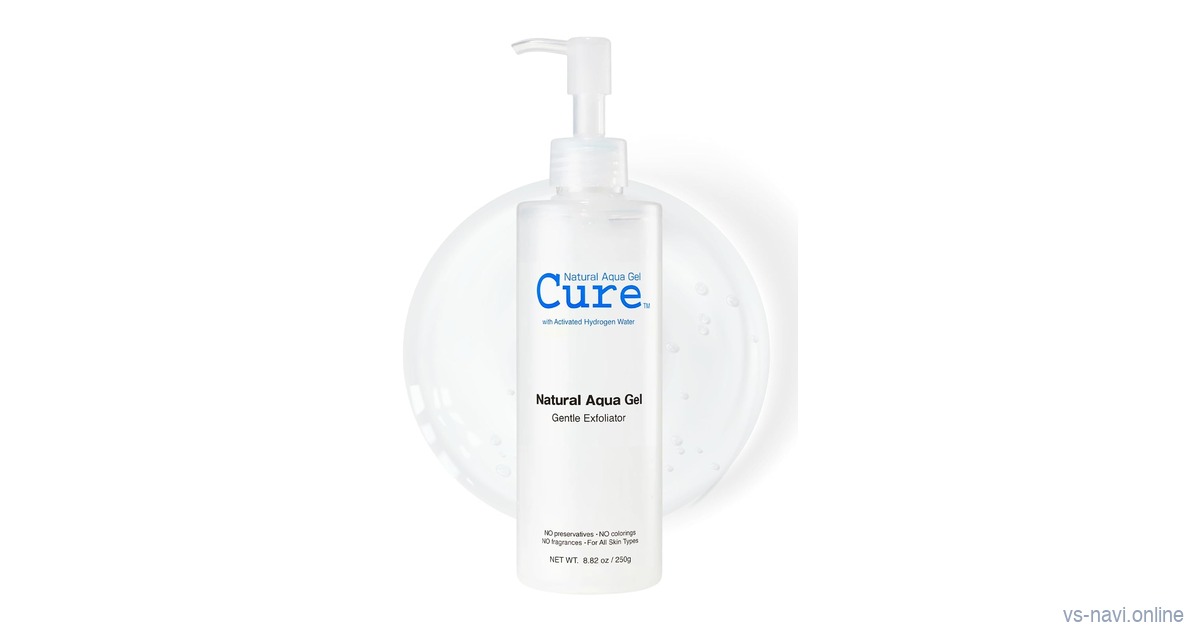
Two pumps of clear gel on dry skin, a minute of slow circles, then little white crumbs start rolling up under the fingertips. That moment is why Cure Natural Aqua Gel became one of Japan’s best-known peeling gels.
On Amazon.com the 250 g bottle sells for around $35. That is a lot for something that is mostly water, so the real question is simple: is it worth it, or is the crumb show doing most of the selling?
We compared what the Amazon.com listing claims, what the label shows, how the rating holds up across more than 8,000 reviews plus what Amazon’s own review summary says. This is a desk review of public information, not a hands-on test.
Our Verdict: Who Should Pick Cure Aqua Gel
The listing was live with an add-to-cart button when we checked Amazon.com on November 2, 2026, at $34.50 for the 8.82 oz (250 g) bottle, with a rating of 4.5 out of 5 from about 8,200 ratings. Prices on imported Japanese skincare move often, so treat the figure as approximate.
- Worth it if you want a gentle weekly exfoliator with no grit, no fragrance plus no acids, especially for dry patches on the face, elbows or heels.
- Skip it if you already use a leave-on acid such as a glycolic or salicylic toner. Cure does not replace that kind of treatment.
- Cost per use is roughly $0.35 if you get the 100 uses the brand states. That is the honest way to judge the price.
What Cure Is in Japan
Cure is made by Toyo Life Service, a Japanese company that sells the gel under the Natural Aqua Gel name. The Amazon.com listing photos describe it as the original Cure Aqua Gel by Toyo, on sale since 2003.
In Japan it sits in a category that barely exists in American drugstores: the peeling gel, or “peeling jel” as many Japanese packs spell it. These are clear gels you massage onto dry skin until they ball up into soft white bits. They are sold next to cleansers, not next to serums.
Cure is one of the most recognized names in that shelf. The company’s own 2019 press release described it as Japan’s number one exfoliating care product. That is a brand claim we cannot verify independently, but the product has clearly been around long enough to build a large following both in Japan plus overseas.
The label leans on “activated hydrogen water” as its base. The listing calls that an antioxidant. Treat this as marketing language rather than a proven skin benefit: the real job of the gel is mechanical, as the next section explains.
Cure Natural Aqua Gel (around $35 on Amazon)
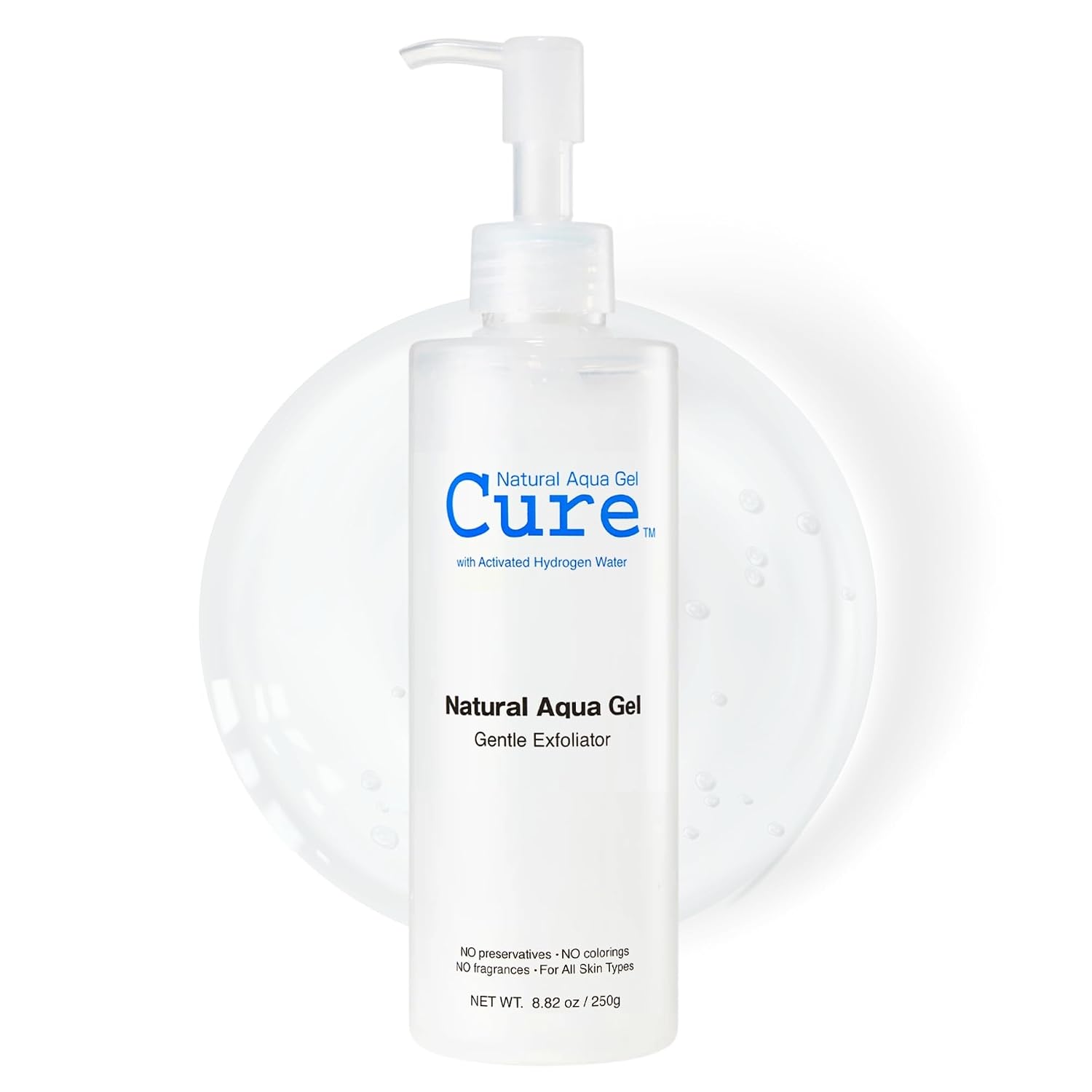
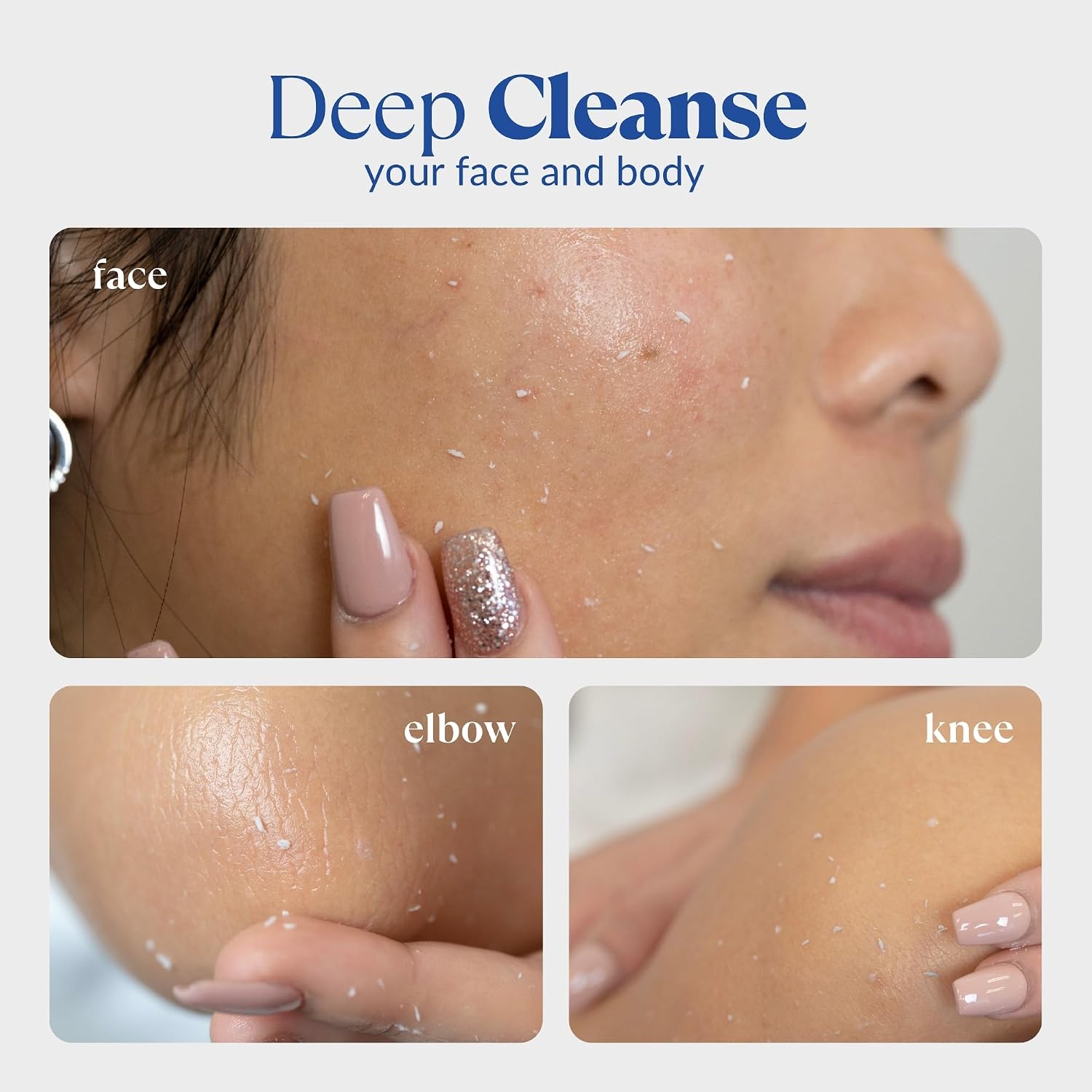
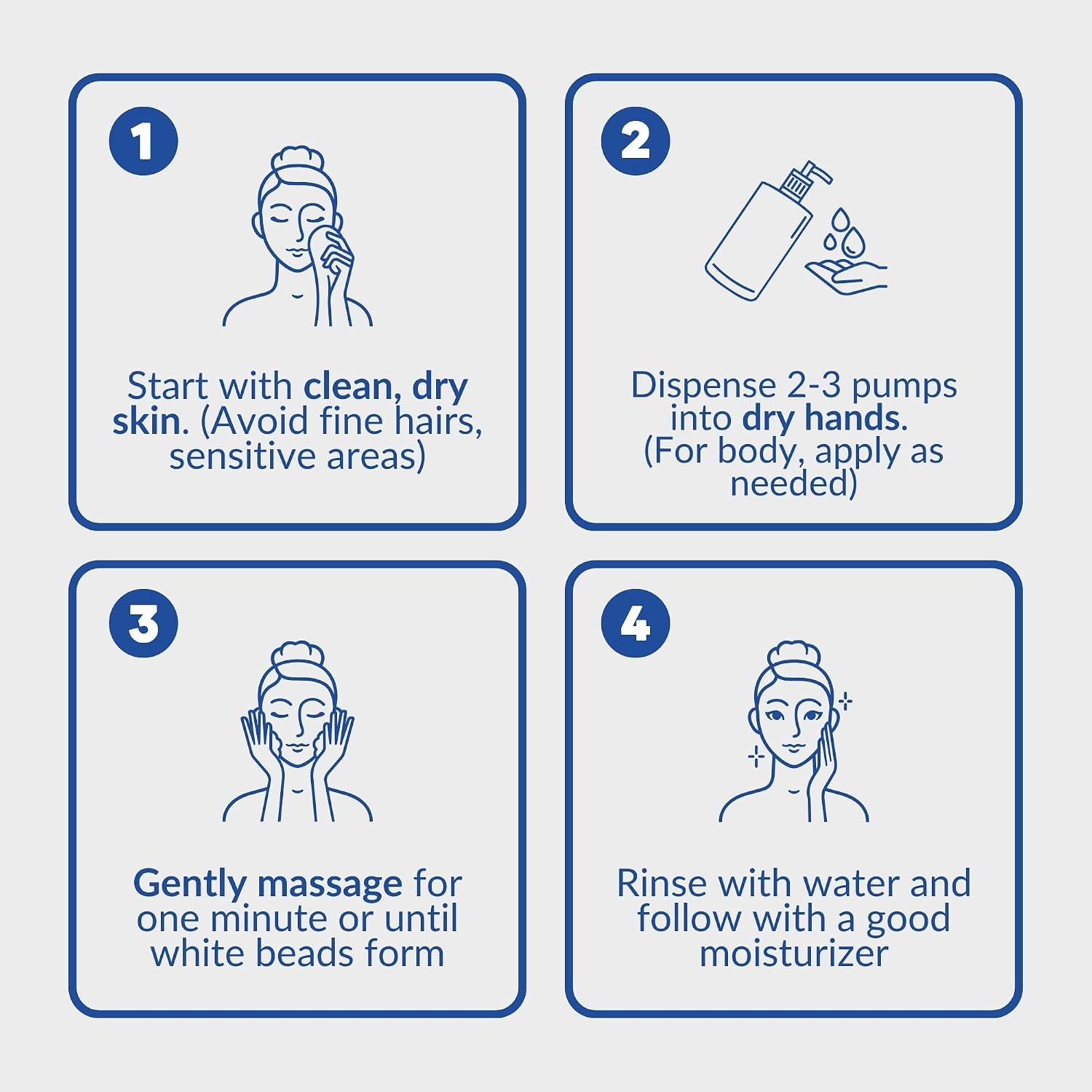
The gel is clear, a little slippery plus almost scentless out of the pump. The listing says to apply two or three pumps to clean, dry skin one to three times a week. You massage gently for about a minute until white beads form, then rinse with water.
The label lists what it leaves out: no preservatives, no colorings, no fragrances. The listing photos add that it contains no microbeads, which matters if you dislike plastic scrub particles. Aloe leaf, ginkgo plus rosemary leaf extracts are named as supporting ingredients.
Amazon’s review summary is clearly positive. Buyers say it removes dead skin gently plus leaves the face soft and smooth. Many note that it does not sting or irritate, which is the main reason people choose a peeling gel over a scrub. Several also mention that their skin looks brighter afterward.
The weak point is value. The same summary says opinions on price are mixed: some buyers think it is worth the money, others do not. That split makes sense once you know how the white beads form.
The White Beads: What They Really Are
Peeling gels are famous for the crumbs, but the crumbs are not a pile of your dead skin. Cosmetic chemists have long pointed out that gels of this type contain ingredients that clump together when rubbed on skin. A large part of what rolls up is the gel itself.
That does not make the product useless. As the beads form they pick up loose surface flakes plus the residue of oil on the skin, much like a very soft eraser. The result is a smoother feel without the scratching of a scrub or the sting of an acid.
It does mean you should judge Cure by how your skin feels a day later, not by how many crumbs appear. A good sign is that rough patches feel softer plus makeup sits more evenly. If you see lots of beads but no change in texture, a chemical exfoliant may suit you better.
One practical tip follows from this: always use it on dry skin. On wet skin the gel slides around plus the beads barely form, which is the most common reason first-time users feel it “doesn’t work.”
Compare: Peeling Gel vs Scrub vs Acid Toner
Cure is easier to judge when you set it next to the two exfoliators most American shoppers already know.
| Point | Cure Aqua Gel | Physical scrub | Acid toner (AHA/BHA) |
|---|---|---|---|
| How it works | Gel balls up plus lifts loose flakes | Grains rub skin | Acid loosens bonds between cells |
| Feel on skin | No grit, no sting | Gritty | Can tingle |
| Strength | Mild | Mild to strong | Strongest |
| How often | 1–3 times a week (label) | 1–2 times a week | Daily to weekly |
| Rinse off | Yes | Yes | Usually left on |
| Body use | Yes, per listing | Yes | Some products |
| Price on Amazon.com | About $35 for 250 g (~$0.35 per use) | Varies | Varies |
If your skin reacts to scrubs or acids, Cure is the gentlest of the three. That is its real selling point, plus the reason it has stayed popular in Japan for two decades.
If your goal is a visible change in clogged pores or dark marks over weeks, an acid toner does more. Many routines use both: an acid a few nights a week plus a peeling gel on a free evening for rough spots.
If you like a scrub and your skin handles it well, Cure will feel milder than you expect. Buy it for comfort, not for strength.
What’s in the Bottle
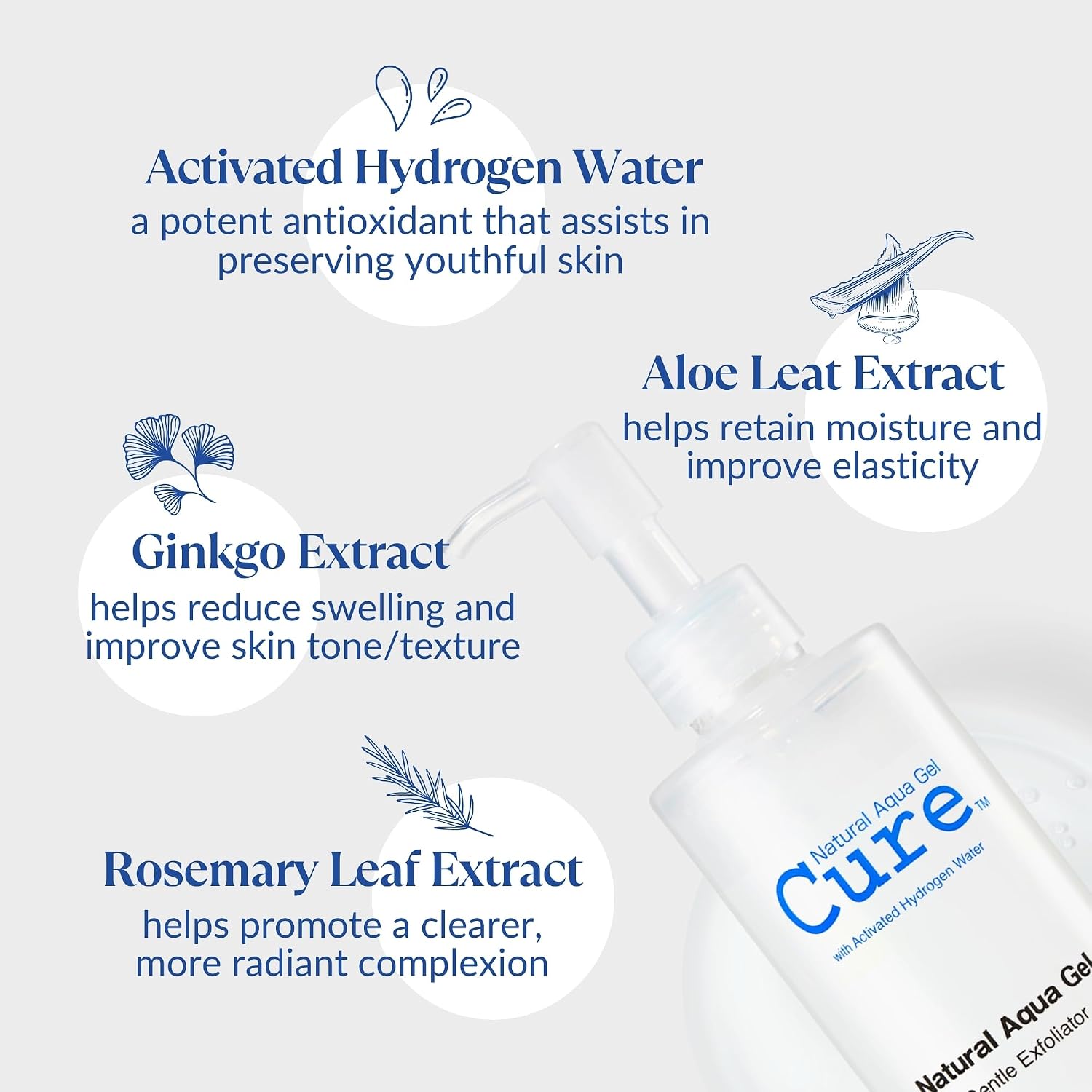
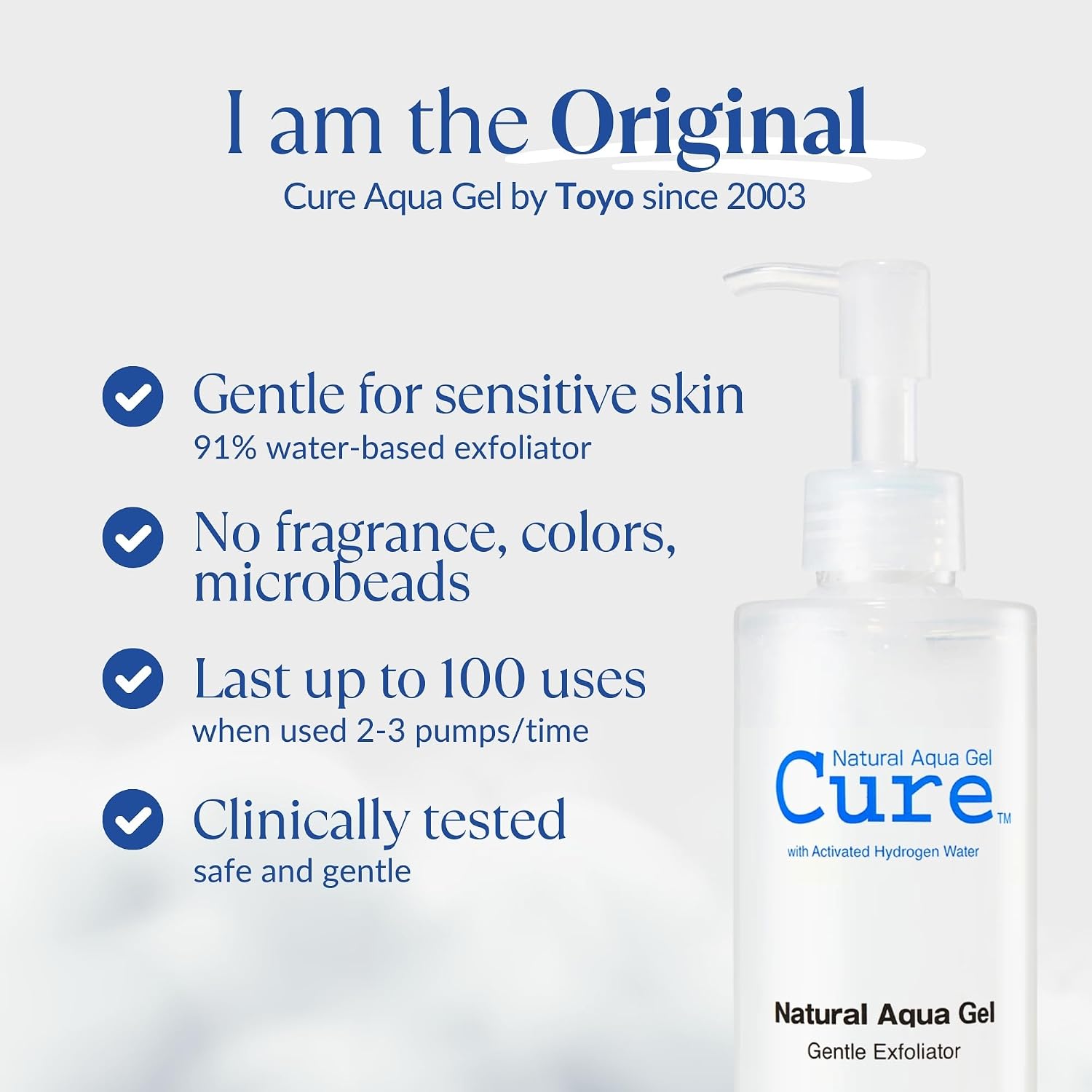
According to the listing photos the formula is 91% water-based. The rest is what makes it gel up plus a short list of plant extracts. There is no fragrance or color added, so the gel looks plain and smells of almost nothing.
The listing calls it clinically tested plus dermatologist approved. It does not say by whom or with what result, so read that as a general safety claim from the seller rather than evidence of strong results.
The brand states that one bottle lasts up to 100 uses at two or three pumps per use. Used twice a week on the face only, that is close to a year. Add elbows, knees plus heels, plan on a few months.
How to Use It Well
Start with a clean, completely dry face. Pump two or three times into dry hands, spread it over the area you want to treat, then massage with light pressure. Skip the eyebrows plus the thin skin under the eyes, as the listing advises avoiding fine hairs plus sensitive areas.
After about a minute the beads form. Do not keep rubbing hard to make more appear. Rinse with lukewarm water, pat dry, then follow with a lotion plus moisturizer. A watery Japanese toner such as Hada Labo Gokujyun fits right after it.
On the body, use it on rough patches rather than whole limbs. Elbows, knees plus heels are where the bottle’s value shows best. Stop if your skin turns red or stings, then try once a week instead of three times.
Who Should Skip It
Skip Cure if you have active, inflamed acne. Rubbing on irritated breakouts is never a good idea, even with a gentle product. A dermatologist’s advice is worth more than any peeling gel there.
Skip it too if you want the most exfoliation for the least money. A basic acid toner often costs less per use plus does more. Cure charges a premium for comfort plus its no-fragrance, no-grit formula.
Check the seller before you buy. At the time of our check, the listing was sold by the brand plus shipped by Amazon. Imported Japanese skincare is often resold by third parties at very different prices, so compare before you order.
Summary
Cure Natural Aqua Gel is a gentle, fragrance-free peeling gel with two decades of history in Japan plus a strong 4.5-star record on Amazon.com. Its beads are partly the gel itself, so judge it by smoother skin rather than by crumbs. At about $0.35 a use it is worth it for sensitive skin, less so if your skin already handles acids well.
FAQ
Is the white stuff from Cure Aqua Gel dead skin?
Only partly. Gels of this type clump together when massaged, so much of what rolls up is the gel. As it forms, it also picks up loose surface flakes plus oil residue. Judge the product by how smooth your skin feels, not by the amount of beads.
How often should I use Cure Natural Aqua Gel?
The listing recommends one to three times a week on clean, dry skin. Start with once a week if your skin is sensitive or you also use an acid exfoliant.
Can I use it on wet skin in the shower?
It works best on dry skin. On wet skin the gel slides around plus the beads barely form. Apply it before you step into the shower, then rinse it off.
Does Cure Aqua Gel contain fragrance or microbeads?
No. The label states no fragrances, no colorings plus no preservatives, while the listing photos add no microbeads. Check the ingredient list on the bottle you receive if you have specific allergies.
Is Cure worth $35?
For sensitive skin that dislikes scrubs plus acids, yes: the bottle is rated for about 100 uses, roughly $0.35 each. If your skin tolerates acids well, a cheaper acid toner usually does more. Check price on Amazon →
What should I use after Cure?
Rinse, pat dry, then apply a hydrating lotion plus a moisturizer. Japanese lotions such as Kikumasamune sake lotion are a common next step in Japan.