This article contains affiliate links (we may earn a commission).
🇯🇵 Japan-Based Review
Best all-round for students: Zebra Sarasa Clip 0.5mm (the everyday Japanese student pen, sold at almost every konbini). Best for fine, color-coded notes: Pilot Juice Up 0.4mm (Pilot’s ultra-fine pigment gel pen). Best for fast-drying, engineer-style lines: Uni-ball Signo 207 (Mitsubishi Pencil’s Signo line).
This review reflects the Vs-Navi.Online editorial team’s research into Japanese consumer reviews on @cosme, Rakuten and Amazon.co.jp, written to give overseas readers the real picture.
Quick answer by student type: for most students, buy the Zebra Sarasa Clip 0.5mm — it is cheap, easy to find, uses water-resistant pigment ink, clips to a binder, and comes in the widest range of tip sizes (0.3–1.0mm) and colors. Then adjust for how you write:
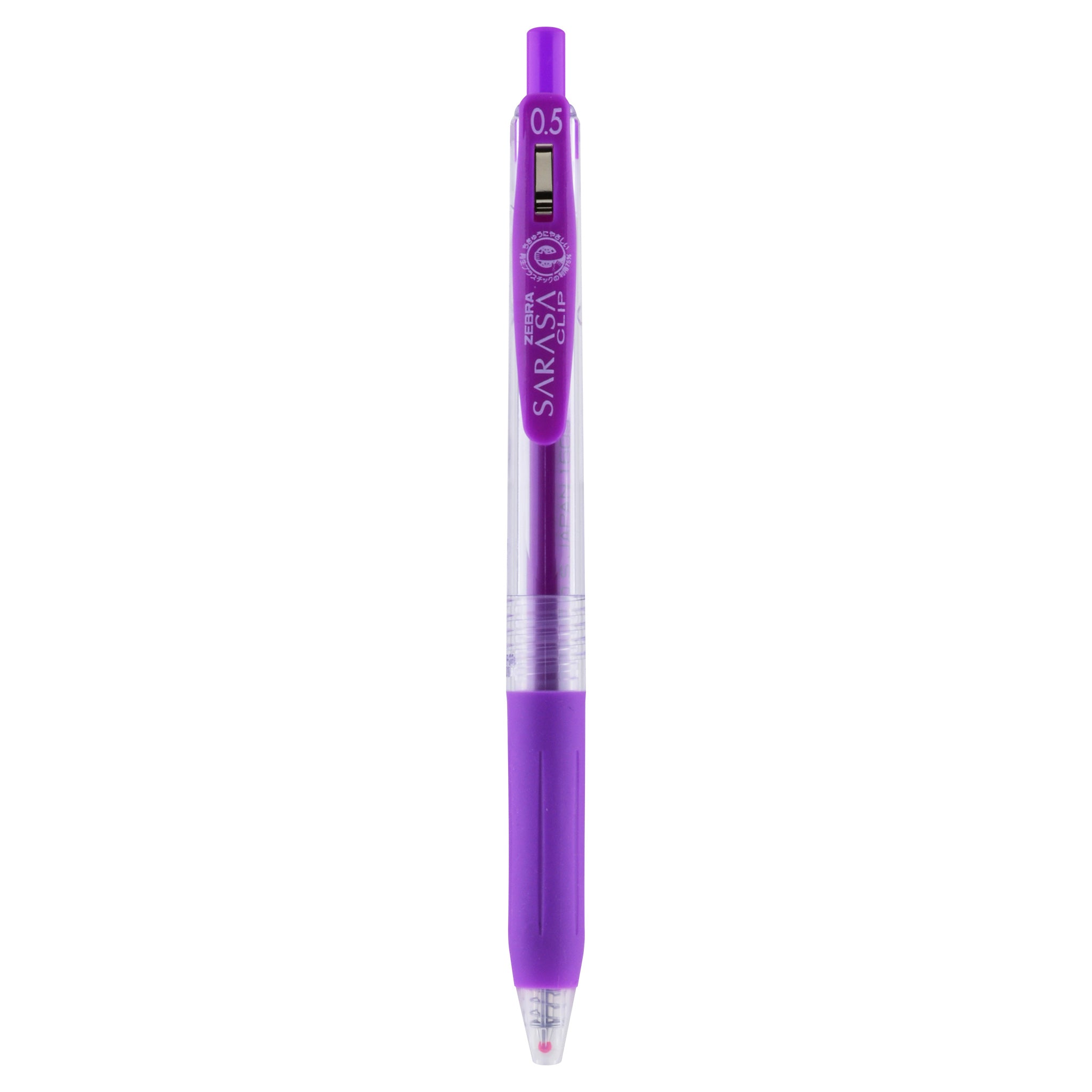
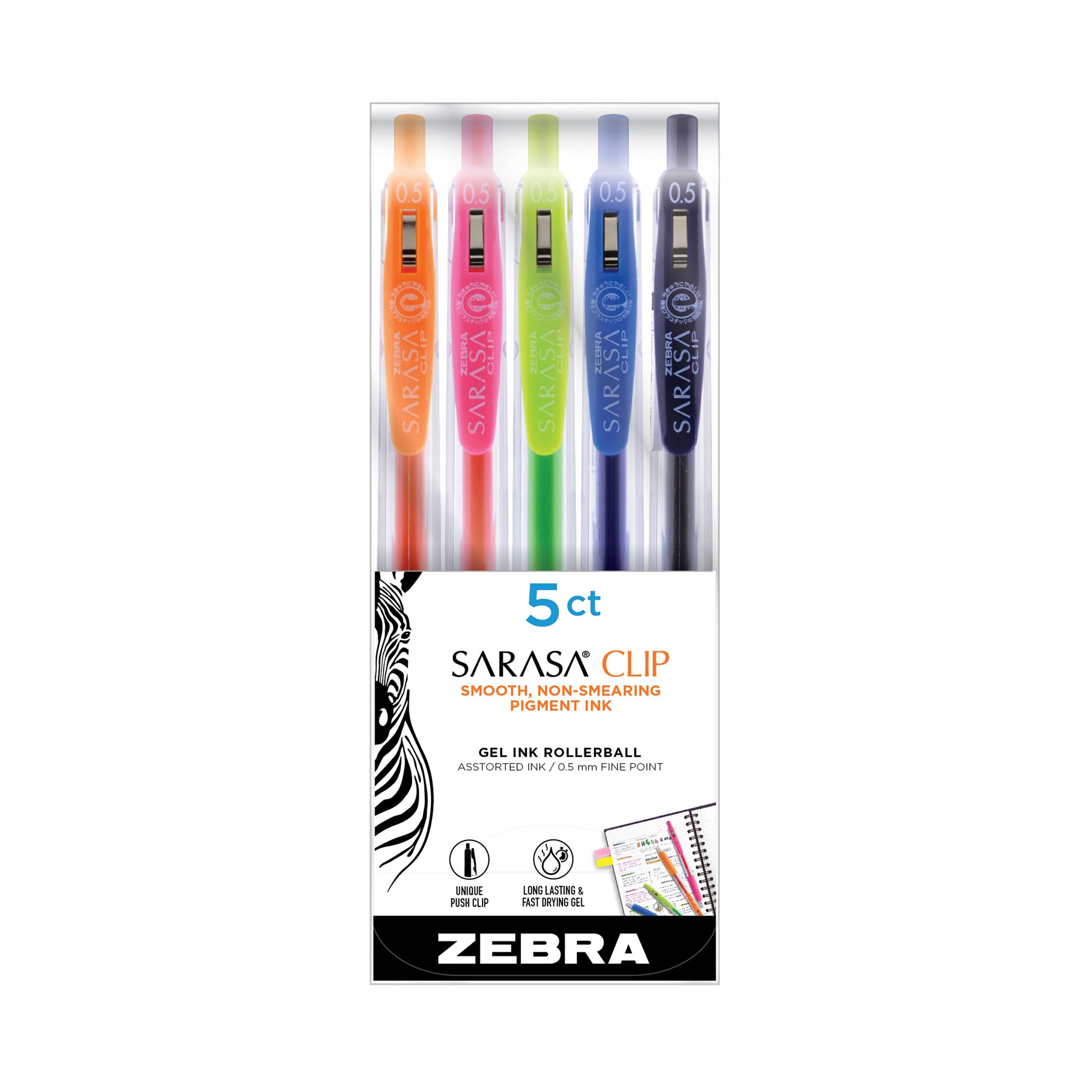
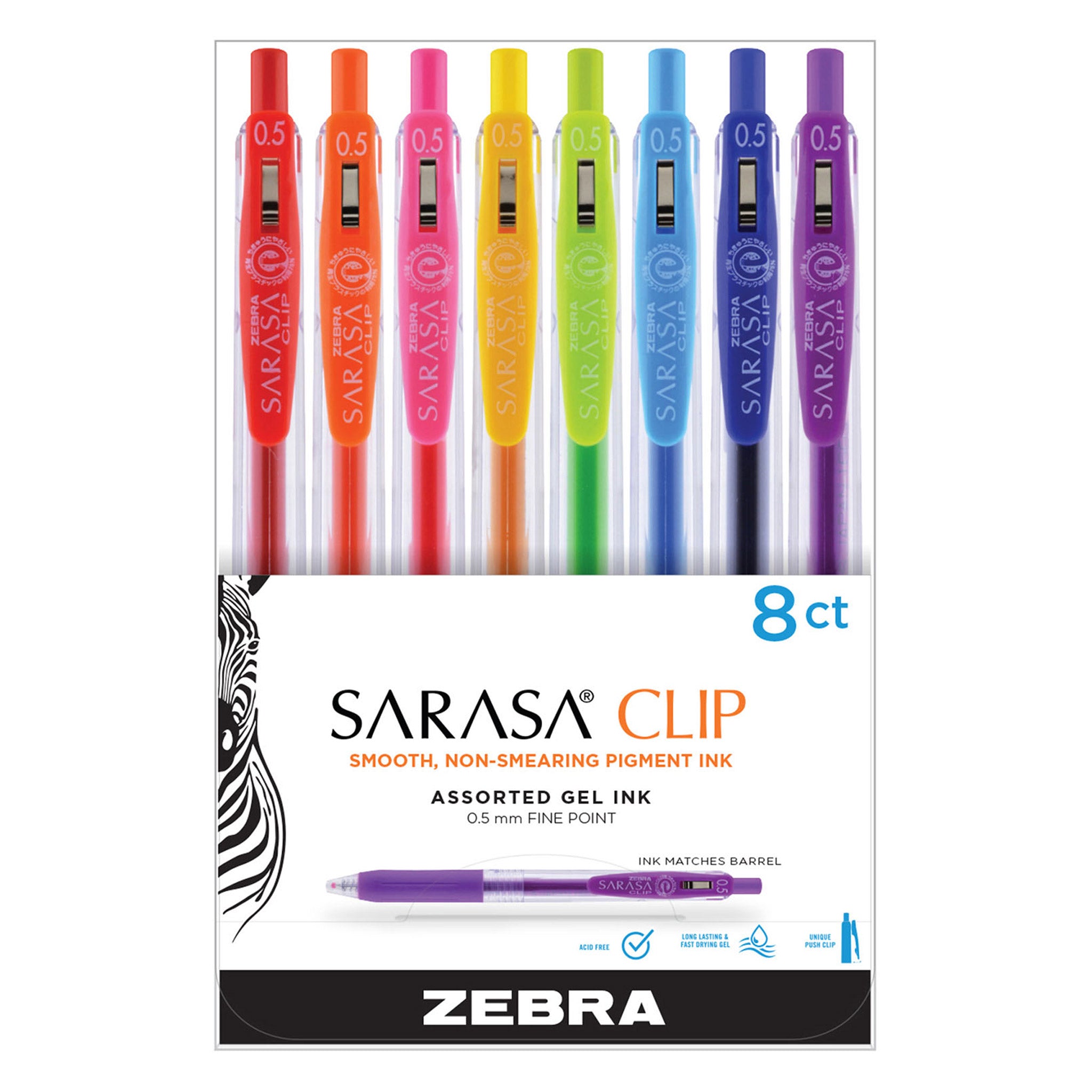
- Everyday lecture notes in several colors: Zebra Sarasa Clip 0.5mm. Zebra makes it with water-based pigment ink in 0.3, 0.4, 0.5, 0.7 and 1.0mm tips.
- Small handwriting, dense notes or diagrams: Pilot Juice Up 0.4mm (or 0.3mm). Pilot designed its “Synergy Tip” and pigment gel ink specifically for ultra-fine lines that still write smoothly.
- Left-handed or very fast writers (smudging): choose by drying speed first. Pentel markets the EnerGel’s liquid gel ink as fast-drying and suited to left- and right-handed writers; among the three pens in the title, the Uni-ball Signo RT1 is the quick-dry pick. See our left-handed EnerGel vs Sarasa Clip guide.
- Bleed-through on thin notebook paper: go finer (0.38–0.4mm), which lays down less ink. On glossy or coated paper every gel pen dries slowly, so use a ballpoint there.
- Refill cost: keep one body you like and buy refills instead of new pens — the Sarasa Clip 0.5mm takes Zebra’s JF-0.5 refill. Refill details for each pen are below.
- Water resistance: both the Sarasa Clip and the Juice Up use pigment-based gel ink, which holds up better to spills than dye-based ink.
Japan context: Japanese stationery culture takes gel pens seriously. Office workers debate pen brands the way coffee lovers debate roasts. Zebra Sarasa Clip is the everyday workhorse in every Japanese office supply store. Pilot Juice Up is the upgrade choice, smoother and slightly pricier. Uni-ball Signo is the choice of artists who want ultra-fine precision.
Walk into any 100-yen shop, convenience store, or stationery specialist in Japan and you will find an entire wall devoted to gel pens. Japanese students and office workers are extraordinarily particular about their writing instruments — a bad pen can ruin a study session, and a great one can make note-taking feel effortless. Three pens come up again and again for students and professionals: the Zebra Sarasa Clip, the Pilot Juice Up, and the Uni-ball Signo.
These are not just good pens. They represent three distinct philosophies about what a gel pen should be — and understanding those philosophies will help you pick the right one for your hand, your paper, and your writing style.
Pilot Juice Up 0.4mm: Best for Fine, Color-Coded Notes
In Japan, Pilot is considered the premium choice for daily writing among the three major gel pen makers. The Juice Up — launched as an upgrade to the original Juice — uses Pilot’s “Needle Point” technology: a fine metal tip that allows 0.4mm and even 0.3mm line widths that remain consistent from the first stroke to the last millimeter of ink.
Key specs (Pilot Juice Up 0.4mm):
- Tip: 0.3mm, 0.4mm, 0.5mm available
- Ink type: Gel (water-based, archival-quality pigment)
- Barrel: Rubberized grip, clip integrated
- Colors: 36 colors available (2025 lineup)
- Ink dry time: approximately 1–2 seconds on standard paper
- Price in Japan: ¥200 before tax at its 2016 launch (Pilot list price)
- Price on Amazon: ~$1.50–$2.50 per pen; multipack sets $12–$20
Full Comparison: Best Japanese Gel Pens for Students
| Pen | Tip Sizes | Colors Available | Price per pen (USD) | Dry Time | Best For |
|---|---|---|---|---|---|
| Pilot Juice Up | 0.3, 0.4, 0.5mm | 36 | ~$1.50–$2.50 | 1–2 sec | Fine writing, color coding, detail work |
| Zebra Sarasa Clip | 0.3, 0.4, 0.5, 0.7, 1.0mm | 50+ | ~$1.00–$2.00 | 1–2 sec | Everyday note-taking, widest color range |
| Uni-ball Signo RT1 | 0.28, 0.38, 0.5mm | 16 | ~$1.50–$2.50 | Under 1 sec | Left-handers, fast writers, smear resistance |
| Zebra Sarasa Grand | 0.5mm | 12 | ~$5–$8 | 1–2 sec | Professional/gift, premium barrel |
| Pilot G2 (US version) | 0.5, 0.7, 1.0mm | 14 | ~$1.00–$1.50 | 2–3 sec | Budget, widely available outside Japan |
Brand in Japan: Zebra (founded Tokyo 1897) makes the Sarasa Clip – the gel pen that sits in every Japanese student’s pencil case from elementary school onward, sold at every konbini and 100-yen shop. Pilot (founded Tokyo 1918) is the international export champion of Japanese stationery; the Juice Up line targets adult professionals with finer tips. Uni-ball (Mitsubishi Pencil, founded Tokyo 1887) is the engineer’s preferred brand – the Signo line is what Japanese drafters and architects use for archival ink. Typical price 100-300 yen per pen.
Zebra Sarasa Clip: The Workhorse of Japanese Classrooms
The Zebra Sarasa Clip is a fixture of Japanese university lecture halls and high school study rooms. Its distinctive feature is the integrated spring-loaded clip on the barrel — functional for clipping to notebooks and pockets, and structurally part of the pen’s identity. Japanese students love it because it comes in an enormous range of colors (over 50 in the full 2025 lineup, including muted “vintage” tones that became trendy around 2022), the ink is smooth and consistent, and the price is accessible even at 100-yen shops.
The 0.5mm is a standard size in Japan — Japanese handwriting benefits from a slightly broader line than the ultra-fine tips favored by some stationery enthusiasts — and it produces a beautifully saturated, slightly glossy line on Campus paper. The clip mechanism is genuinely useful: stiff enough to stay attached to a notebook cover but easy enough to clip and unclip one-handed.
Japanese reviews frequently note that the Sarasa Clip’s ink can take slightly longer to dry than the Signo RT1, which is worth noting for left-handed writers. On coated paper (like the inside covers of some notebooks), the drying time extends noticeably.
Uni-ball Signo: The Engineer’s Choice
Uni-ball (Mitsubishi Pencil) approaches gel pen engineering differently from Pilot and Zebra. The Signo series — particularly the RT1 retractable — is engineered specifically around quick-drying ink. The Signo RT1 0.38mm produces one of the fastest-drying gel lines documented on standard paper: under one second in most conditions. For left-handed writers who drag their hand across fresh ink, or for fast note-takers who flip pages quickly, this matters enormously.
In Japan, the Signo is popular in engineering and technical fields where precise, clean line work is valued. The 0.28mm Signo Ultra Micro is the finest commercially available gel pen tip we are aware of — it produces lines so thin they approach the precision of a technical drawing pen. Architecture and design students in Japan frequently use the 0.28mm for detailed annotations.
How to Choose: A Student’s Guide
- Color coding your notes with many shades: Zebra Sarasa Clip — no other Japanese gel pen offers the same breadth of colors, including the sought-after vintage/muted tones.
- Ultra-fine writing and detail work: Pilot Juice Up 0.3mm or 0.4mm — the needle-point tip maintains line consistency better than Zebra or Uni at fine sizes.
- Left-handed writing or fast smear-sensitive use: Uni-ball Signo RT1 — the fastest-drying ink in this class.
- Professional/gifting use: Zebra Sarasa Grand — same Sarasa ink in a premium metal barrel that looks appropriate on a desk.
Note-Taking Picks: Sarasa Clip vs Pilot Juice vs Pentel EnerGel
Specs Comparison — 3 Best Japanese Gel Pens
| Spec | Zebra Sarasa | Pilot Juice 0.38 | Pentel EnerGel |
|---|---|---|---|
| Tip Size | 0.5mm | 0.38mm | 0.5mm needle |
| Ink Type | JK Gel | LJP Gel | EnerGel Liquid |
| Dry Time | Fast | Fast | Very Fast |
| Smear-Free | Yes | Yes | Yes |
| Color Options | 20+ | 18+ | 8 |
| Clip | Ring clip | Standard | Standard |
#1 Zebra Sarasa Clip 0.5mm — Best All-Around Note-Taking Pen


The Zebra Sarasa Clip is the pen most often recommended when someone asks what Japanese pen they should buy. It combines fast-drying ink, a satisfying clip mechanism, and a color range that makes it genuinely useful for color-coded note-taking systems.
What sets the Sarasa apart is the JK gel ink formula. It writes with noticeably less resistance than most gel pens at this price, giving it a feel that’s often described as “buttery.” The 0.5mm tip is the sweet spot — fine enough for neat notes, but broad enough that writing doesn’t feel cramped.
The clip design is worth mentioning specifically. Unlike most pen clips that feel like an afterthought, the Sarasa’s ring clip is smooth, strong, and actually holds to thick notebook covers. It’s a small thing, but it makes the pen much more practical for everyday carry.
In daily use the Sarasa Clip earns its place through fast-drying ink that resists smearing even when a hand drags across the page, which makes it a natural for handwritten meeting notes. Because the same pen comes in more than twenty colors, it is easy to build a color-coded system without switching pen types, while the strong ring clip holds securely to a thick notebook cover for everyday carry. The JK gel ink writes with unusually low resistance, the quality most owners describe as buttery.
The compromises are modest: the lightweight barrel can feel a little plasticky, while heavy writers may empty a cartridge faster than they would with a larger-bodied pen. Refills are cheap, so most people simply keep the body and swap the ink. For students, professionals and journalers who take notes by hand every day, it is the easiest pen here to recommend.
| Quick Compare · Buy on Amazon | |
|---|---|
| Top Pick | Check the latest price on Amazon |
| Runner-up | Check the latest price on Amazon |
| Budget Option | Check the latest price on Amazon |
#2 Pilot Juice 0.38mm — Best Ultra-Fine for Dense Notes


The Pilot Juice 0.38mm is a cult favorite in Japanese stationery circles, and the reasons are easy to see. The 0.38mm tip is one of the finest you’ll find in a mainstream gel pen, yet it never feels scratchy or catches on the paper. That combination — fine but smooth — is genuinely difficult to achieve and Pilot has nailed it.
The LJP (Low Viscosity Pigment) ink produces deep, rich blacks and genuinely vibrant colors. Side by side with standard gel pens, the Juice 0.38 color range pops in a way that makes notes more visually engaging. It’s the kind of thing that sounds like marketing until you actually see it.
For note-takers who write small or pack information densely onto a page, the 0.38mm tip allows significantly more content per page than a standard 0.5mm or 0.7mm pen. On an A5 Hobonichi, it fits noticeably more text per line, which adds up over a full notebook.
The Juice 0.38mm suits margins, bullet journals and dense research notes where every millimeter of the page counts. The ultra-fine tip lets writing sit in the margin of a printed A4 document without turning illegible, staying smooth rather than scratchy, which is rare at this width. The LJP ink also keeps colors noticeably saturated, so a color-coded page reads clearly at a glance.
Shoppers often ask how this original Juice differs from the Juice Up that tops this list. The short answer is the tip: the Juice uses a cone tip while the Juice Up uses the Synergy Tip. Our Pilot Juice vs Juice Up comparison lays out the sizes, refills and prices side by side.
The fine tip has its costs: writers used to a 0.5mm or wider line can find 0.38mm tiring over a long session, while the point can wear or skip on heavily textured paper. For students, researchers and journalers who write small or want more content per line, it is the pen that fits the most legible detail onto the page.
#3 Pentel EnerGel Needle Tip 0.5mm — Fastest-Drying Gel Pen

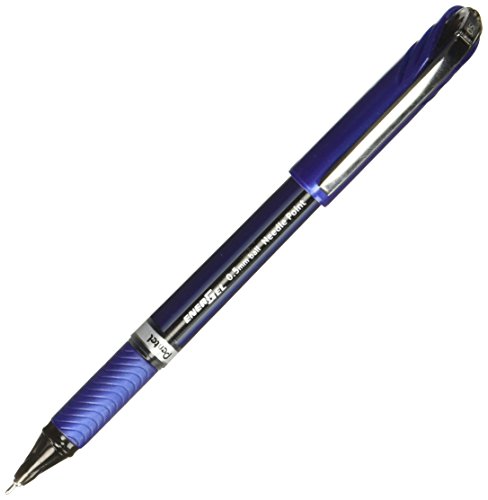
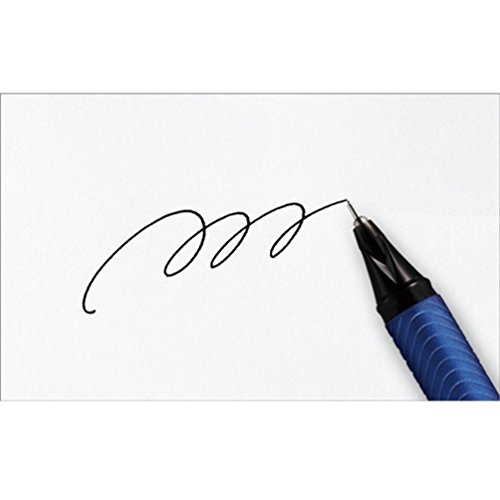
The Pentel EnerGel has one claim that no other pen in this roundup can match: it dries faster than any other gel pen in this comparison. The EnerGel liquid gel formula is uniquely formulated to bond quickly to paper, which makes it the one gel pen here that left-handed writers can use without reservation.
The needle tip design is also distinctive. Unlike the rounded tips on the Sarasa and Pilot Juice, the EnerGel’s needle tip gives exceptional visibility of the writing point — you can see exactly where the ink is landing, which is useful for precise work like filling in small form fields or writing close to margins.
The writing feel is slightly different from the other two pens here: a bit more resistance, which some writers prefer because it gives more control. It’s not scratchy, just less “glidy” than the Sarasa. Whether that’s a pro or con depends entirely on personal preference.
The EnerGel exists for one situation above all: writing fast where a smear cannot be tolerated, such as signing forms, filling official documents or taking rapid meeting notes. Its liquid-gel ink dries quicker than any other pen in this roundup, the single reason it is the safe choice for left-handed writers whose hand trails through fresh lines. The needle tip shows exactly where the ink lands, which helps in small form fields or close to a margin.
The tone is different from the other two: there is slightly more resistance, so it feels controlled rather than glidy, with the range stopping at eight colors, which limits elaborate color-coding. For left-handers, fast writers and anyone who fills in forms where precision matters, the dry-time advantage is real every single day.
[Verdict] The Best Japanese Gel Pen for Note-Taking
#1 — Zebra Sarasa Clip 0.5mm
The smoothest ink, the best color range, and a clip that actually works. For most note-takers, this is the pen to get.
#2 Best for Fine Writing — Pilot Juice 0.38mm — Finest tip, most vibrant ink — for dense notes and detail work Check price on Amazon →
#3 Best for Lefties — Pentel EnerGel 0.5mm — Fastest dry time — zero smearing, needle tip precision Check price on Amazon →
How to Choose: A Practical Decision Guide
The right pen depends far less on brand loyalty than on three concrete variables: how small you write, how fast you write and whether you are left-handed.
Match the tip size to your handwriting
If your natural handwriting fills a standard ruled line comfortably, the 0.5mm Sarasa Clip is the safest pick — it lays down a confident, legible line without feathering on cheap notebook paper. If you cram annotations into margins, study with dense formulas, or use a Hobonichi or grid notebook with small cells, the Pilot Juice 0.38mm earns its place: the ultra-fine tip keeps crowded notes readable. Going finer than 0.38mm is rarely worth it for daily note-taking, as the line becomes faint and the tip more fragile.
Prioritize dry time if you write fast or left-handed
Gel ink’s weakness is smearing and this is where the Pentel EnerGel pulls ahead. Its liquid-gel ink dries noticeably faster than standard gel formulations, which matters enormously for left-handed writers whose hand drags across freshly written lines and for anyone who flips pages quickly during lectures or meetings. If you have ever closed a notebook and found your last paragraph smudged across the facing page, dry time should be your first filter.
Left-handed readers who are deciding between the EnerGel and the Sarasa Clip from this list can go one step further. Our Pentel EnerGel vs Zebra Sarasa Clip guide for left-handed writers compares what each maker says about drying speed along with tips, refills and price per pen.
Consider refills, not just the pen
One overlooked advantage of all three brands is the Japanese refill ecosystem. Sarasa, Juice and EnerGel all use replaceable cartridges, so the body you buy can last for years — you simply swap in a JF-0.5 (Sarasa), LP2RF (Juice), or LRN5 (EnerGel) refill. For international buyers this is the smart play: buy one or two pen bodies, then stock up on refills, which ship cheaply and survive customs without issue. It also means you can standardize on a body you like and rotate ink colors freely.
Buying from outside Japan
All three pens are available through Amazon US, often in multi-color packs that cost a fraction of what a single “imported Japanese pen” sells for at specialty boutiques. The products are identical to the domestic versions — Japan does not make an export-only variant of these mainstream pens — so there is no quality compromise in buying internationally. The only difference you may notice is packaging language and occasionally a slightly narrower color selection than the full domestic range carried at a Tokyo stationery store.
Summary
- Best all-around: Zebra Sarasa Clip 0.5mm — Smoothest ink, widest color range, practical clip design
- Best for small writing: Pilot Juice 0.38mm — Ultra-fine tip, vibrant colors, great for dense note-taking
- Best for left-handers: Pentel EnerGel Needle 0.5mm — Fastest-drying gel pen; needle tip precision
Specs Comparison — 3 Japanese Gel Pens Side by Side
| Spec | Zebra Sarasa | Pilot Juice | Uni-ball One |
|---|---|---|---|
| Price (pack) | ~$8 / 10-pack | ~$10 / 10-pack | ~$12 / 5-pack |
| Tip Size | 0.5mm | 0.38mm | 0.5mm |
| Clip Design | Yes (spring-loaded) | Yes | Yes |
| Color Options | 20+ colors | 36 colors | 18 colors |
| Ink Type | Water-based gel | Pigment gel | Pigment gel |
| Best For | Everyday writing | Fine detail work | Professional docs |
| Amazon Rating | 4.7 / 5 | 4.5 / 5 | 4.6 / 5 |
Brand in Japan: Zebra (founded Tokyo 1897) makes the Sarasa Clip – the gel pen that sits in every Japanese student’s pencil case from elementary school through university, sold at every konbini and 100-yen shop. Pilot (founded Tokyo 1918) is the international export champion of Japanese stationery; the Juice line targets adults with the precision 0.38mm tip. Uni-ball (Mitsubishi Pencil, Tokyo, 1887) is the engineer’s brand – the Uni-ball One launch in 2020 gave Japan the deepest-black gel ink on the market.
1. Zebra Sarasa Clip 0.5mm Review — Japan’s Most-Loved Gel Pen

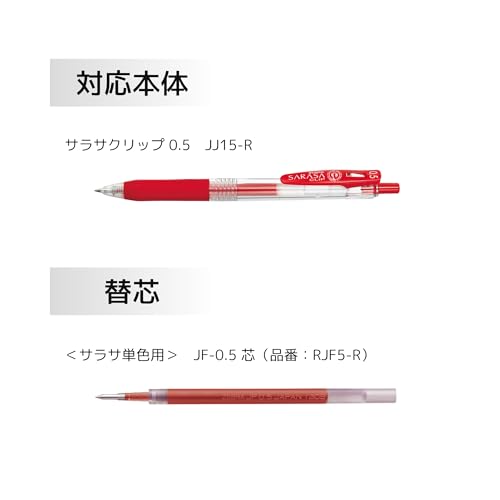

The Zebra Sarasa Clip is the pen you see in every Japanese office, classroom, and coffee shop notebook spread. Long-term users across Japan keep it as their daily driver for years, and the consistency is remarkable. The 0.5mm tip hits a sweet spot — fine enough for kanji notation, thick enough that your hand doesn’t cramp after an hour of writing.
The water-based gel ink starts immediately without any scratching or skipping. It handles everything from premium Hobonichi Techo paper to cheap receipt-back scrap. The spring-loaded clip design is the sleekest of the three pens here — it grips notebooks, shirt pockets, and folders securely without deforming the cap.
Everyday Use
The Sarasa is a common choice for handwritten meeting notes, journaling, and filling out Japanese government forms, where clean, even lines matter. The grip section is rubber with a subtle texture that stays comfortable over long writing sessions. At $8 for 10 pens, it’s the kind of pen you can use without anxiety about running out.
Pros
- Unbeatable value: At ~$0.80 per pen, this is the best price-per-use ratio of any Japanese gel pen on the market.
- Consistent ink flow: Zero skipping or blobbing. The ink reserve lasts noticeably longer than competitors.
- Ergonomic grip: The rubber grip section reduces hand fatigue significantly during long writing sessions.
Cons
- Slower dry time: The water-based ink takes about 2–3 seconds to fully dry on glossy paper — left-handed writers may experience minor smearing.
- Fewer ultra-fine options: The 0.5mm is excellent, but those who need 0.28mm precision will need to look elsewhere.
Who Should Buy This
The Zebra Sarasa Clip is the right pen for students, office workers, and everyday journalers who want reliable, smooth writing without spending much. If you write Japanese or need a pen for dense everyday note-taking, this is the one to get first.
| Quick Compare · Buy on Amazon | |
|---|---|
| Top Pick | Check the latest price on Amazon |
| Runner-up | Check the latest price on Amazon |
2. Pilot Juice 0.38mm Review — Precision in a Rainbow of Colors

The Pilot Juice is the stationery obsessive’s choice. Available in 36 colors — including pastels, metallics, and neons — it’s the pen that turns your planner or bullet journal from functional to beautiful. A set of six Juice pens covers color-coding for a weekly schedule, and the 0.38mm tip makes even tiny calendar boxes legible.
Pilot’s pigment-based gel ink is denser than the Sarasa’s water-based formula. That translates to richer, more saturated color — especially noticeable with the lighter shades like pink and yellow. The ink also dries faster, which is a significant plus for left-handed writers. However, at ~$1 per pen in a 10-pack, it’s a step up in price from the Sarasa.
Everyday Use
On Midori MD paper, Rhodia notebooks, and standard copy paper, the 0.38mm tip produces exceptionally crisp lines — ideal for adding furigana to kanji, annotating printed documents, and creating detailed to-do lists. The barrel is slim and slightly lighter than the Sarasa, which some writers prefer for extended sessions.
Pros
- 36 vivid color options: The widest color selection of any Japanese gel pen line — perfect for color-coding systems and artistic journaling.
- Fast-drying pigment ink: Minimal smearing even for left-handed writers; ink resists water and fading better than water-based formulas.
- Ultra-fine 0.38mm tip: Ideal for small handwriting, dense kanji notes, and annotation work where precision matters.
Cons
- Higher price point: At ~$10 for 10 pens, it’s 25% more expensive than the Sarasa — the cost adds up if you go through pens quickly.
- Fine tip requires care: The 0.38mm tip is more susceptible to damage if pressed too hard on rough paper surfaces.
Who Should Buy This
The Pilot Juice is the best choice for planner enthusiasts, bullet journalers, and anyone who uses color-coding in their notes. If you write in multiple colors and want vivid, fast-drying ink with a precision tip, the Juice is unmatched in Japan’s gel pen lineup.
3. Uni-ball One 0.5mm Review — The Professional’s Deep Black


The Uni-ball One is the newest entrant from Mitsubishi Pencil, and it makes an immediately strong first impression. Pull off the cap and you’re greeted by an ink that looks almost matte — it’s among the deepest, most saturated blacks available in a gel pen at this price point. Uni-ball calls it their “super-concentrated gel ink” and the marketing is not exaggerated.
At $12 for a 5-pack, the Uni-ball One is priced at more than double the Sarasa on a per-pen basis. You feel where that premium goes: the barrel is slightly thicker, the weight is more substantial, and the overall feel is unmistakably professional. For signing documents and writing in client notebooks, they make everything look intentional and polished.
Everyday Use
The Uni-ball One performs especially well on fountain-pen-friendly papers like Tomoe River and Clairefontaine — papers where cheaper gel pens sometimes feather. The bold, opaque black ink photographs beautifully and scans with excellent contrast. For anyone who digitizes handwritten notes, this is a significant practical advantage.
Pros
- Deepest black ink available: The super-concentrated pigment ink produces a bold, opaque black that stands out from any other gel pen in this price range.
- Excellent on premium paper: Minimal feathering on Tomoe River and other fountain-pen papers — a rarity for gel pens.
- Refined, premium feel: Heavier barrel and polished finish make this feel like a premium instrument without entering luxury pen territory.
Cons
- Limited color range: With only 18 colors (mostly standard tones), it can’t match the Pilot Juice for creative or color-coding workflows.
- Higher cost per pen: At $2.40 per pen, using these as daily drivers gets expensive fast — better suited as a “best pen” for important writing.
Who Should Buy This
The Uni-ball One is ideal for professionals who primarily write in black, premium notebook users, and anyone who digitizes handwritten notes and needs maximum contrast. It’s the pen for when what you’re writing matters.
Verdict — Overall Ranking
#1 – Zebra Sarasa Clip 0.5mm Best Value · Top Pick Check price on Amazon →
#2 Runner-Up — Pilot Juice 0.38mm — Best for precision & color variety Check price on Amazon →
#3 Honorable Mention — Uni-ball One 0.5mm — Best for professional & deep black ink Check price on Amazon →
Frequently Asked Questions
Are Japanese gel pens refillable?
Yes — all three brands offer proprietary refills. Pilot Juice Up refills (LFJP series) are widely available in Japan and on Amazon. Sarasa Clip refills (RNJK series) are similarly available. This is an important long-term cost consideration: refilling a Japanese gel pen costs approximately ¥80–¥110 per refill ($0.60–$0.80), significantly cheaper than replacing the whole pen.
What is the difference between 0.3mm, 0.4mm, and 0.5mm tip sizes?
In Japan, the 0.5mm is the standard everyday size — it suits both kanji writing (which benefits from a slightly broader stroke for legibility) and Roman alphabet writing. The 0.4mm is preferred by students who write densely and need to fit more text per page. The 0.3mm is a specialist size for detailed work or very small handwriting; it requires higher-quality paper to prevent feathering.
Do Japanese gel pens work well on glossy paper?
None of the three pens reviewed here perform ideally on glossy or coated paper — this is a general limitation of water-based gel ink. Dry times extend significantly, and smearing is more likely. For glossy paper, oil-based ballpoints (like the Zebra Surari or Pentel EnerGel) perform better.
Which Japanese pen is best for studying and exam use?
For Japanese university entrance exams (センター試験 / 共通テスト), pencils and mechanical pencils are typically required. For note-taking during study, the Pilot Juice Up 0.4mm in black or dark blue is our top recommendation: the fine tip allows dense, neat notes, the ink is dark and legible when photocopied, and the quick dry time means fewer smears during long study sessions.
Why are Japanese gel pens better than American ones?
Tighter manufacturing tolerances, finer tip sizes (0.28 mm exists in Japan, rare in the US), and pigment-ink chemistry that dries faster without smearing. The Japanese stationery market is intensely competitive with thin margins, which forces continuous improvement.
Are 0.4 mm or 0.5 mm pens better for note-taking?
0.5 mm for fast longhand at A4 scale. 0.4 mm or finer for small grid notebooks (Cornell-style or Stalogy 1/2 grid). 0.3 mm and below for kanji or technical drawings.
Do these pens work well for left-handed writers?
Drying speed varies by pen, tip size and paper. Pentel markets the EnerGel’s liquid gel ink as fast-drying and suited to left-handed writers, which is why it is the usual first pick for lefties. Avoid the Frixion (heat-erasable) for left-handed use; the rubber-tip drag can erase as you write.
Can I use these pens on glossy paper or plastic?
Gel ink does not bond well to non-porous surfaces. For glossy paper, use a Sharpie or oil-based ballpoint instead.
How long does one Sarasa Clip refill last?
Roughly 800-1,000 m of writing line — about a full college notebook of dense notes. At 88 yen per refill, the cost-per-page is negligible.
Are erasable gel pens (Frixion) good for students?
For drafts, math problems, and bullet journaling, yes. For exam answers and contracts, never — the heat-activated ink can fade if you leave the page in a hot car or even strong sunlight.
What’s the most popular Sarasa color among Japanese students?
Black 0.5 mm by far. After that, blue-black and red. The Sarasa Vintage line (red-black, blue-black, sepia) is favored for journaling.
Buying from Japan: shipping, prices and how this site is funded
Will this product ship internationally from Amazon Japan?
Most of the Japanese-brand items featured here are also stocked on Amazon US on amazon.com, and the links above point to that storefront so international readers can buy with familiar shipping options. If you specifically want the Japanese-domestic SKU, and you are based outside Japan, Amazon Global Shipping or a forwarder like Tenso/Buyee can handle the import – just be aware of customs duties on items above roughly $200.
Are these the actual products Japanese consumers buy?
Yes. Selection prioritises models that are actually stocked in Japanese retail – Bic Camera, Yodobashi, Don Quijote, Loft and konbini chains – not just what ranks on Amazon US. Where a brand sells different model numbers in Japan vs. the US, we note that explicitly so you can pick the right SKU.
How is this site funded?
Through affiliate commissions: if you buy through an Amazon link on this page, vs-navi.online may earn a commission at no extra cost to you.
Can I trust the price information here?
Prices on Amazon move daily, and the dollar-yen exchange rate adds another layer of variation. Treat the figures here as a snapshot at the time of writing – always click through and check the current Amazon listing for the live price before buying.
What if I want a Japanese-domestic version that is not listed?
Drop us a note via the contact form on vs-navi.online. If the model can be sourced and verified, we will consider writing it up.
Gel Pen Deep Specs Comparison
All three pens are sold in 0.4 mm and 0.5 mm tip sizes at stationery retailers such as Loft in Shibuya and Japanese students put them through the daily grind of a full school year. Here is the spec sheet that matters when you are choosing for a 9-month school year.
| Model | Tip sizes | Ink color count | Refillable | Pigment vs dye | Tokyo retail |
|---|---|---|---|---|---|
| Zebra Sarasa Clip | 0.3, 0.4, 0.5, 0.7, 1.0 mm | 22+ colors | Yes (JF refill) | Pigment | 110 yen |
| Pilot Juice Up | 0.3, 0.4, 0.5 mm | 12 colors | Yes (LP3RF refill) | Pigment (Synergy Tip) | 220 yen |
| Uni-ball Signo DX | 0.28, 0.38, 0.5, 0.7, 1.0 mm | 16 colors | Yes (UMR-1 refill) | Pigment | 200 yen |
The “pigment vs dye” distinction matters more than most students realize. Pigment ink is fade-resistant, water-resistant, and archival; dye-based gel inks (like cheap supermarket gels) bleed when wet and fade in 6-12 months. All three pens above use pigment, which is why they survive 4 years of school notes intact.
Editor’s pick for daily class notes: Buy the Zebra Sarasa Clip 20-pen assorted color set on Amazon (US) — covers every color-coding system any student will use for a semester.
Pick by Student Type
For the law student who writes 10+ pages a day
Zebra Sarasa Clip 0.5 mm in black. The 110 yen price means you can carry six and lose three. The clip is metal, snaps onto a binder firmly. Refills are universally available at any 7-Eleven or LAWSON in Japan. Check the latest price on Amazon.
For the medical or engineering student doing color-coded diagrams
Pilot Juice Up 0.4 mm in the 10-color set. The Synergy Tip writes finer than the spec implies — closer to a 0.3 mm Sarasa. Diagrams stay crisp and the colors are surprisingly vibrant for pigment ink. View on Amazon (US).
For the Japanese-language learner writing kanji
Uni-ball Signo DX 0.28 mm in black. The ultra-fine tip lets you draw clean radicals at small scale. This is the pen Japanese teachers themselves use to write feedback on student work. Available on Amazon.
For the bullet journaler or planner-keeper
Sarasa Clip in 10 colors (the multi-pack). The Sarasa Vintage line in particular has muted, designer-friendly colors that look great in a Hobonichi or Stalogy planner. Pilot Juice Up gold and silver are also planner favorites for accents.
For the test-taking student during exams
Whatever passes the exam-rule check. Most Japanese university entrance exams require black ink only and ban erasable pens. Sarasa Clip 0.5 black is the safest universal choice. Avoid the Frixion (erasable) family entirely on test day — the heat-erase chemistry is banned at official exams.
Pen Care for a 9-Month School Year
- Cap or retract when not in use. Gel pens dry at the tip in 30 minutes of exposed-tip air. The Sarasa Clip retract mechanism is quieter and faster than the Juice Up.
- Store horizontally or tip-down. Tip-up storage causes the gel to settle and the pen skips on first use. The pen-loop on a Hobonichi keeps the tip down naturally.
- Refill rather than replace. Sarasa JF refills cost 88 yen ($0.65) versus 110 yen for a fresh pen, but the metal clip and barrel last for years. Refilling is cheaper and reduces plastic waste.
- If a pen skips, scribble on scrap. 5-10 seconds of scribbling on a flat sheet primes the gel and restores flow. If still skipping, the refill is empty or dried.
- Don’t leave pens in a car in summer. The gel can leak through the tip at over 50 C interior temperatures, which Tokyo cars hit easily.
Why Japanese Gel Pens Dominate the World
Japan invented the modern gel pen. Sakura Color Products released the first water-based gel ink pen, the Ballsign, in 1984. The category exploded in the 1990s as Pilot, Zebra, and Uni-ball each developed proprietary formulations.
The same obsession with how a tool meets the hand shaped how Japan types. Topre’s capacitive Realforce switches moved from bank terminals to writers’ desks, while PFU’s HHKB became the default keyboard of Japanese programmers. Our Best Japanese Mechanical Keyboards 2026 guide explains which of the three suits long note-taking sessions.
Zebra was founded in 1897 in Tokyo as a pen-nib manufacturer. The Sarasa line launched in 2002 and quickly became one of Japan’s best-known gel pens, displacing both ballpoints and rollerballs in the school market. The Sarasa Clip variant (with the metal binder clip) launched in 2008 and is now the de-facto Japanese student pen.
Pilot, founded in 1918, makes the Juice Up alongside the legendary G2, the Frixion, and the Capless fountain pen. The Juice Up’s Synergy Tip — a hybrid metal-tip that combines a needle-point and a conical sleeve — was a 2014 innovation patented by Pilot.
Mitsubishi Pencil Co. (the maker of Uni-ball, no relation to the Mitsubishi car company) has been making graphite pencils since 1887 and gel ink since the 1990s. The Signo DX is their fine-line workhorse, popular in Japanese architectural and graphic design schools.
All three are stocked at every Japanese conbini, every Loft, every Tokyu Hands. A Japanese student typically owns 5-10 of these pens in rotation across colors and tip sizes. They are part of the daily kit, like a phone charger or a Suica card.
That daily kit is bigger than three gel pens. The same Loft or Tokyu Hands wall carries the erasers, correction tape, notebooks plus mechanical pencils that make up a Japanese desk — and the differences between them are just as engineered. Our ultimate guide to Japanese stationery maps the rest of that aisle.
Exams in Japan are still written in pencil, so most students carry a mechanical pencil next to their gel pens. Zebra makes one of the three best known, the DelGuard, which uses springs to stop lead from snapping under heavy pressure. Our guide to the best Japanese mechanical pencils compares it with the Uni Kuru Toga plus the Pentel Orenz.
Buying These From the US
- Sarasa Clip availability. Sold widely on Amazon US in 5-pen and 10-pen multipacks. Refills (JF series) less commonly stocked; JetPens (US online retailer) is the reliable source.
- Pilot Juice Up. Available on Amazon US but with a thinner color selection than Japan domestic. JetPens stocks the full range.
- Uni-ball Signo. The DX line is sometimes labeled differently in the US (Uni-ball Signo Bit, Signo Gel Impact). Check the model number (UM-151 = Signo DX 0.5).
- Bulk buying from Japan. Buyee, ZenMarket, or White Rabbit Press will ship from Tokyo at lower per-pen cost if you order 20+ at a time.
Buy the Zebra Sarasa Clip 20-pen assorted color set on Amazon (US) | Pilot Juice Up 10-color set on Amazon (US) | Uni-ball Signo DX 0.28 mm on Amazon (US)
You Might Also Like
Pilot Juice vs Juice Up: What Changed →
Hobonichi vs Midori vs Stalogy: Japanese Planners Compared →
Japanese Fountain Pens Under $50: Pilot Kakuno vs Platinum Preppy →
The Ultimate Guide to Japanese Stationery →
References
- Pilot Corporation – Corporate History – Pilot official, accessed May 2026
- Zebra Co., Ltd. – Corporate History – Zebra official, accessed May 2026
- Mitsubishi Pencil Co. – Corporate History – Mitsubishi Pencil (uni) official, accessed May 2026
- Kokuyo Co., Ltd. – Company History – Kokuyo official, accessed May 2026
- Hobonichi Techo – About Tomoe River S Paper – Hobonichi official, accessed May 2026
- Designphil – Midori Brand – Designphil official, accessed May 2026
- Stalogy Editor’s Series – Stalogy official, accessed May 2026
ピンバック: Zebra Sarasa vs Pilot Juice: Which Japanese Gel Pen Should You Buy? | VS-NAVI