Our pick for the best Japanese santoku knife in 2026 is the Kai Seki Magoroku Damascus 165mm — check its latest price on Amazon. The santoku (三徳包丁, literally "three virtues") is the all-purpose knife in most Japanese home kitchens — shorter and flatter than a gyuto, with a tall blade built for slicing, dicing, and mincing. The three santoku below are the ones Japanese buyers and overseas enthusiasts cross-shop most: the Kai Seki Magoroku Damascus, the budget-favorite Tojiro (Fujitora) Santoku 170mm, and the artisan Yoshihiro VG-10 Hammered Damascus. We compared all three on out-of-box sharpness, edge retention, balance, ease of sharpening, and value so you can buy right in 2026.
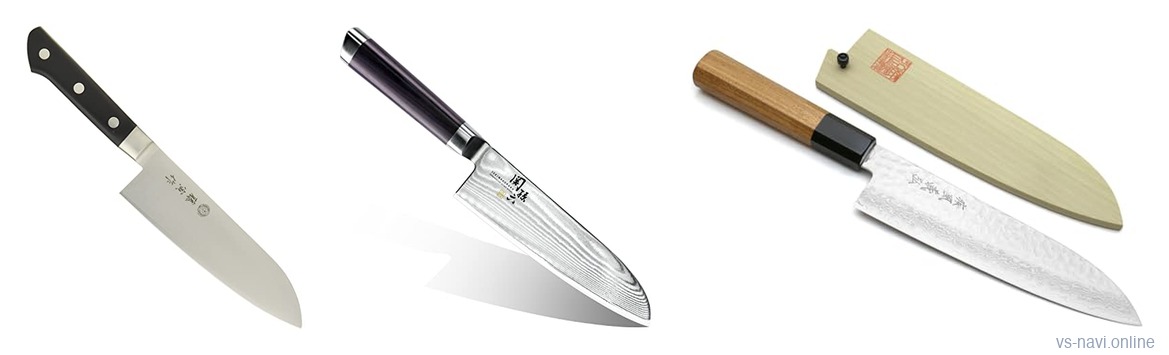
Quick Picks — Our Top Three Japanese Santoku Knives
Short on time? Here is the one-line verdict for each cook.
Specs Comparison — Three Santoku Knives Side by Side
| Kai Seki Magoroku Damascus | Tojiro Santoku 170mm | Yoshihiro Hammered Damascus | |
|---|---|---|---|
| Blade length | 165 mm (6.5 in) | 170 mm (6.7 in) | 165 mm (6.5 in) |
| Core steel | VG-10 (Damascus clad) | VG-10 / cobalt alloy (stainless clad) | VG-10 (46-layer Damascus clad) |
| Hardness (HRC) | ~60–61 | ~60 | ~60 |
| Edge angle (per side) | ~15° | ~15° | ~15° |
| Handle | Mahogany-toned pakkawood (Western) | Western, full bolster | Octagonal ambrosia wa-handle |
| Finish | 32-layer Damascus | Plain stainless | Hand-hammered (tsuchime) Damascus |
| Dishwasher | Hand-wash only | Hand-wash only | Hand-wash only |
| Made in | Seki, Japan | Tsubame-Sanjo, Japan | Japan (Sakai tradition) |
| Price (2026) | around $100 | around $75 | around $215 |
| Amazon rating | 4.7 / 5 | 4.6 / 5 | 4.7 / 5 |
Specs reflect the standard 165–170 mm santoku models. Prices are 2026 street prices and move often — always confirm the live figure before buying.
Kai Seki Magoroku Damascus — The Best All-Round Santoku for Most Cooks
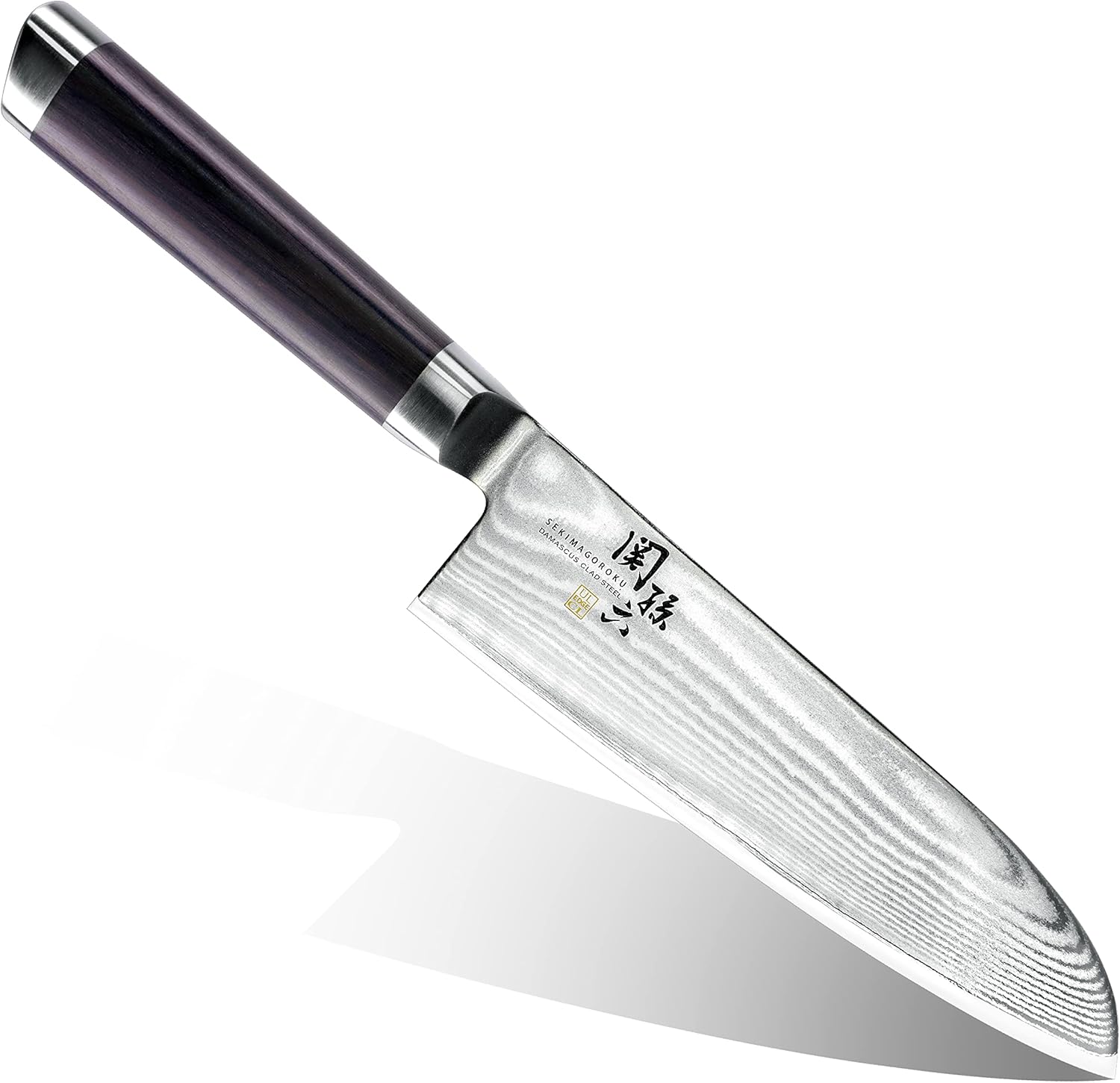
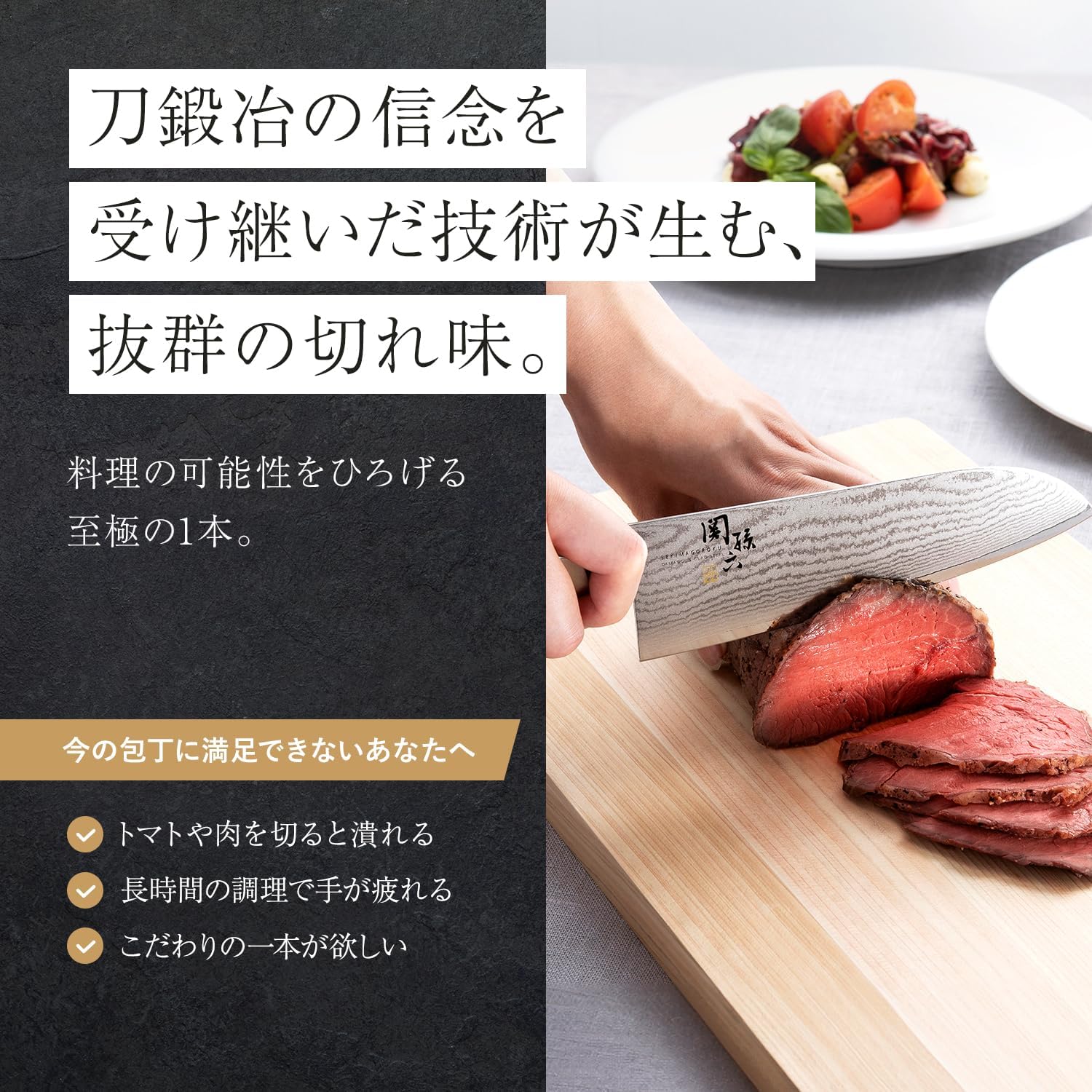
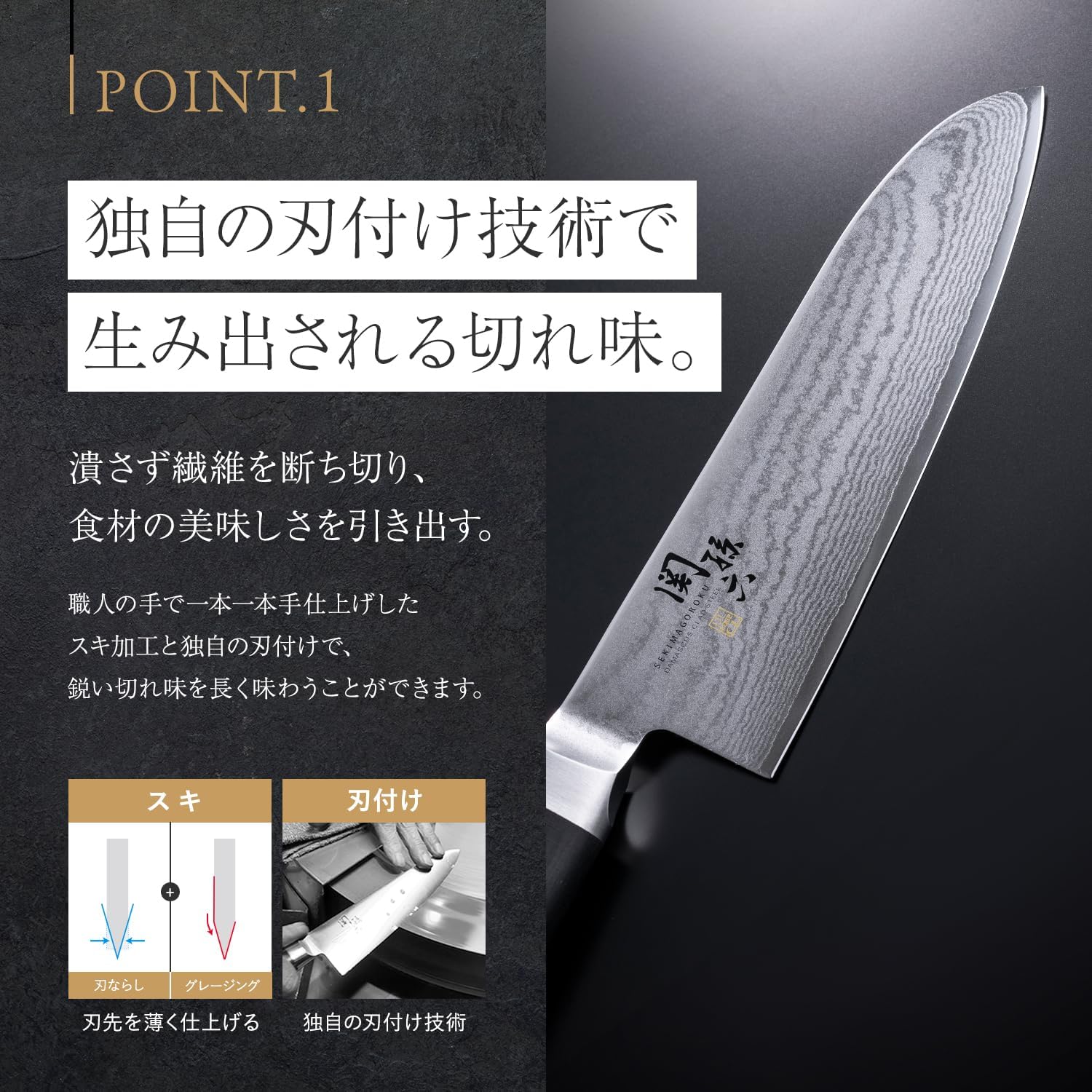
If you want one santoku that does almost everything well without overspending, the Kai Seki Magoroku Damascus is the easiest knife to recommend. It pairs a hard VG-10 core — the same high-carbon stainless steel used in knives costing far more — with 32 layers of Damascus cladding and a ~15° edge. The result is a blade that arrives genuinely sharp, holds its edge well, and looks like a knife two or three times the price.
The santoku shape suits the way most people actually cook: the flat profile favors a straight push-cut over the rocking motion of a Western chef's knife, and the tall blade gives you knuckle clearance and a wide face for scooping. At around $100 the Seki Magoroku Damascus lands in the sweet spot — serious Japanese steel and a beautiful finish, without the artisan premium of a hand-hammered blade.
The Brand in Japan
Seki Magoroku (関宫宅) is the flagship domestic kitchen line of Kai Corporation (貳削), based in Seki City, Gifu — Japan's historic blade capital. The name honors Magoroku Kanemoto, a legendary 16th-century swordsmith from Seki. To Japanese home cooks, Seki Magoroku is one of the most trusted kitchen-knife names on the shelf, sold everywhere from department stores to home centers. Kai is also the maker of the export-focused Shun brand — so a Seki Magoroku is, in effect, the knife Japanese households buy from the same workshop that produces Shun for overseas markets.
Real-World Usage
On the board the Seki Magoroku feels balanced and confident. The flat belly excels at the everyday santoku rotation — onions, cabbage, carrots, chicken — with clean push-cuts that fall away from the blade. It is light enough for fine work yet substantial enough to feel planted. Hand-wash and dry it immediately; the Damascus finish and pakkawood handle do not belong in a dishwasher.
✅ Pros
- Genuine VG-10 Damascus — hard, edge-holding core with a real layered-steel finish.
- Excellent value for a Damascus blade — the look and steel of a premium knife at a mid-range price.
- Trusted, serviceable brand — Kai backs its blades and the line is easy to source and re-sharpen.
❌ Cons (Honest Assessment)
- Pakkawood handle is functional, not artisan — comfortable, but it is a composite Western handle, not a wa-handle.
- Hard steel needs respect — the VG-10 edge can chip if you hit bone or twist in dense squash.
💬 What Users Are Saying
👤 Who Should Buy This
Anyone who wants one do-everything santoku that performs like a serious Japanese blade and looks the part — without paying artisan prices. If you cannot decide, buy this one and stop researching.
Tojiro Santoku 170mm — The Best-Value Gateway to VG-10
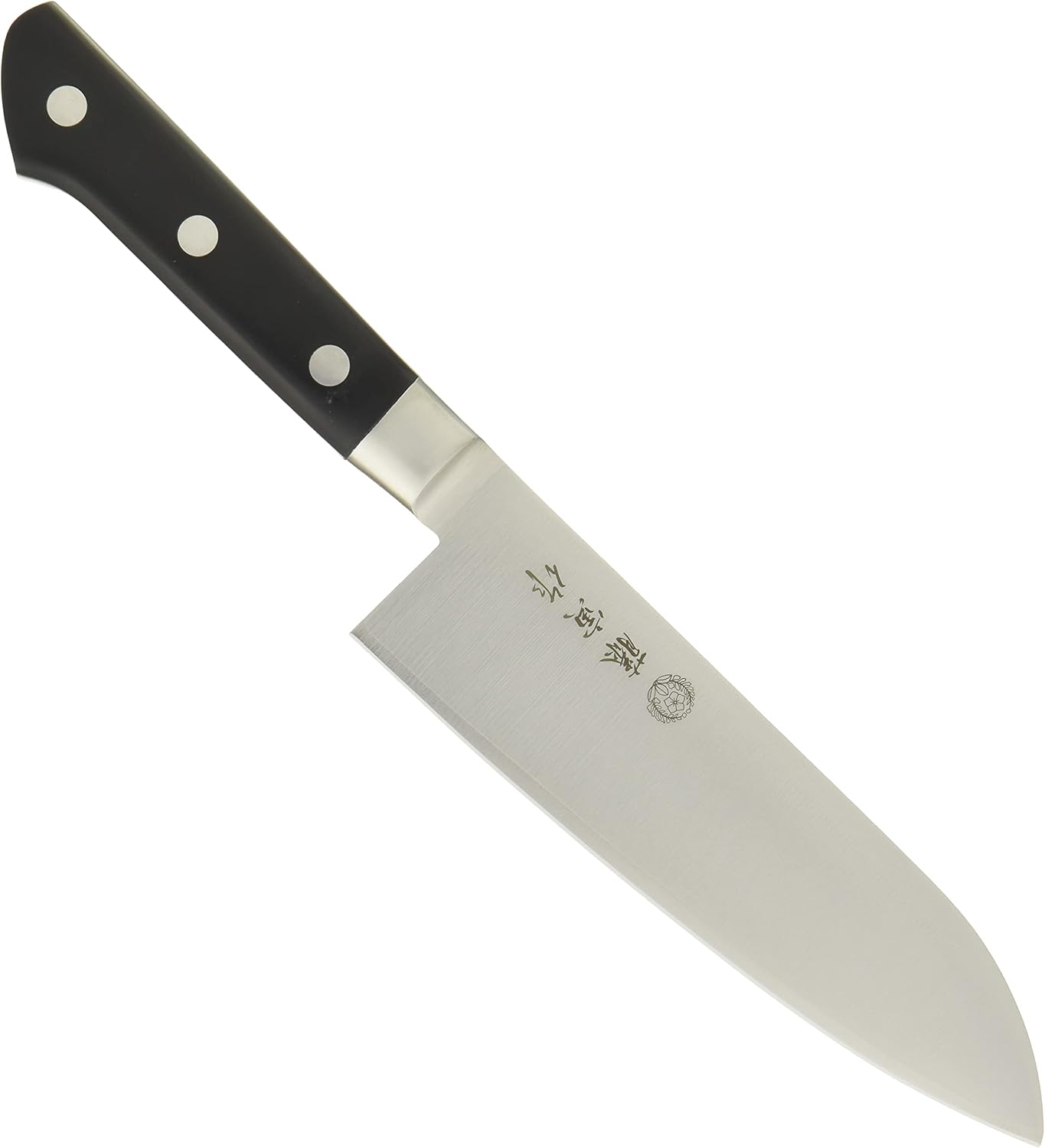
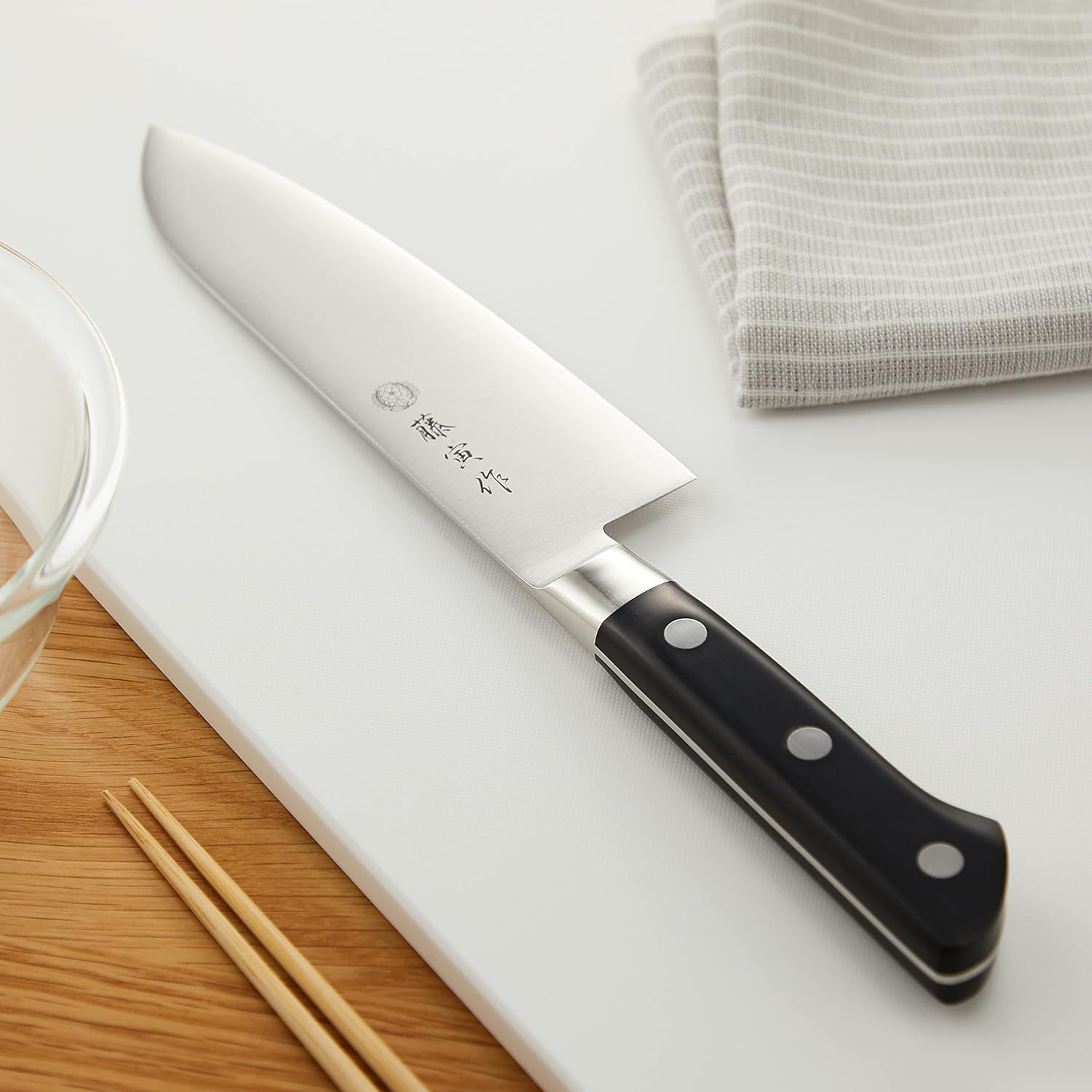
The Tojiro Santoku is the knife the Japanese-knife community recommends more than any other when someone asks "what's a good first santoku on a budget?" For around $75 you get a real VG-10 (cobalt alloy) core — the same high-carbon stainless used in knives costing twice as much — with a no-frills stainless cladding and a durable Western handle. It is light, sharpens easily, and punches far above its price.
What you give up at this price is refinement: there is no Damascus pattern, the spine and choil are not rounded as nicely as the others, and the factory edge benefits from a quick whetstone touch-up out of the box. But as a do-everything workhorse that you won't cry over if it gets nicked, the Tojiro is unbeatable value — and the perfect knife to learn freehand sharpening on.
The Brand in Japan
Tojiro (made by Fujitora Industry) is based in Tsubame-Sanjo, Niigata — Japan's metalworking heartland. In Japan, Tojiro has a reputation as an honest, industrial-grade maker: not a luxury name, but the kind of dependable tool that culinary schools and working kitchens buy in bulk. Its VG-10 series in particular is a domestic and export staple, widely regarded as the benchmark for "serious knife, sensible price."
Real-World Usage
The Tojiro handles the entire weeknight rotation without complaint. The light weight suits cooks who find German knives clubby, and the VG-10 edge holds up far better than any stainless knife in this price bracket. Because it is inexpensive, it is also the ideal knife to practice freehand whetstone sharpening on — mistakes here cost $75, not $300.
✅ Pros
- Real VG-10 for ~$75 — premium steel at an entry price; nothing else touches this value.
- Light and nimble — an agile santoku that disappears in the hand during long prep.
- Guilt-free workhorse — great everyday performer and the best knife to learn sharpening on.
❌ Cons (Honest Assessment)
- Basic finishing — no Damascus, the spine/choil aren't rounded, and the handle is purely functional.
- Factory edge is good, not great — a two-minute whetstone touch-up unlocks its real potential.
💬 What Users Are Saying
👤 Who Should Buy This
Beginners, students, and anyone who wants genuine VG-10 performance without spending much — or a second santoku they can treat as a daily beater. Pair it with a beginner whetstone and you have a complete setup for well under $130.
Yoshihiro VG-10 Hammered Damascus — The Artisan Showpiece
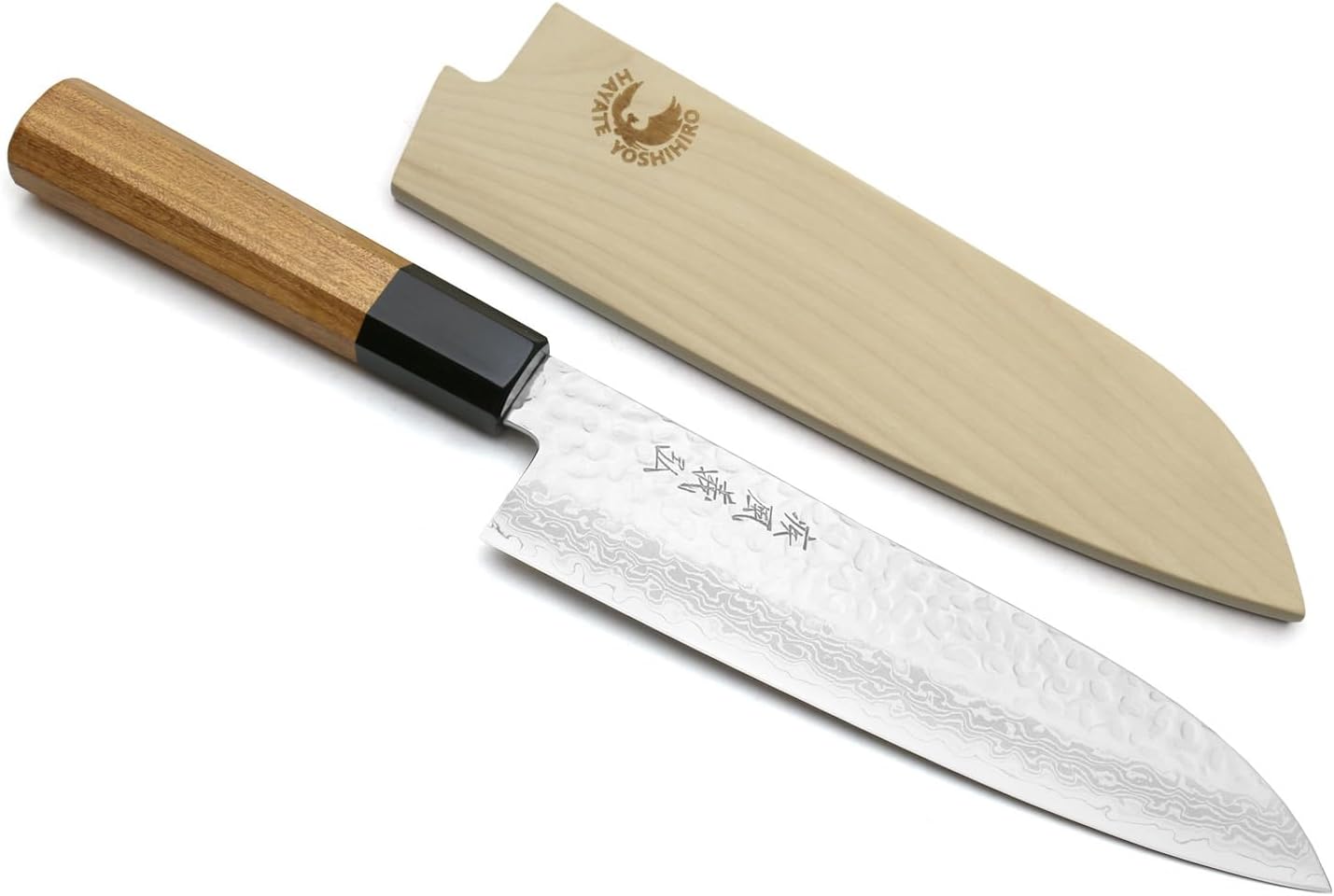
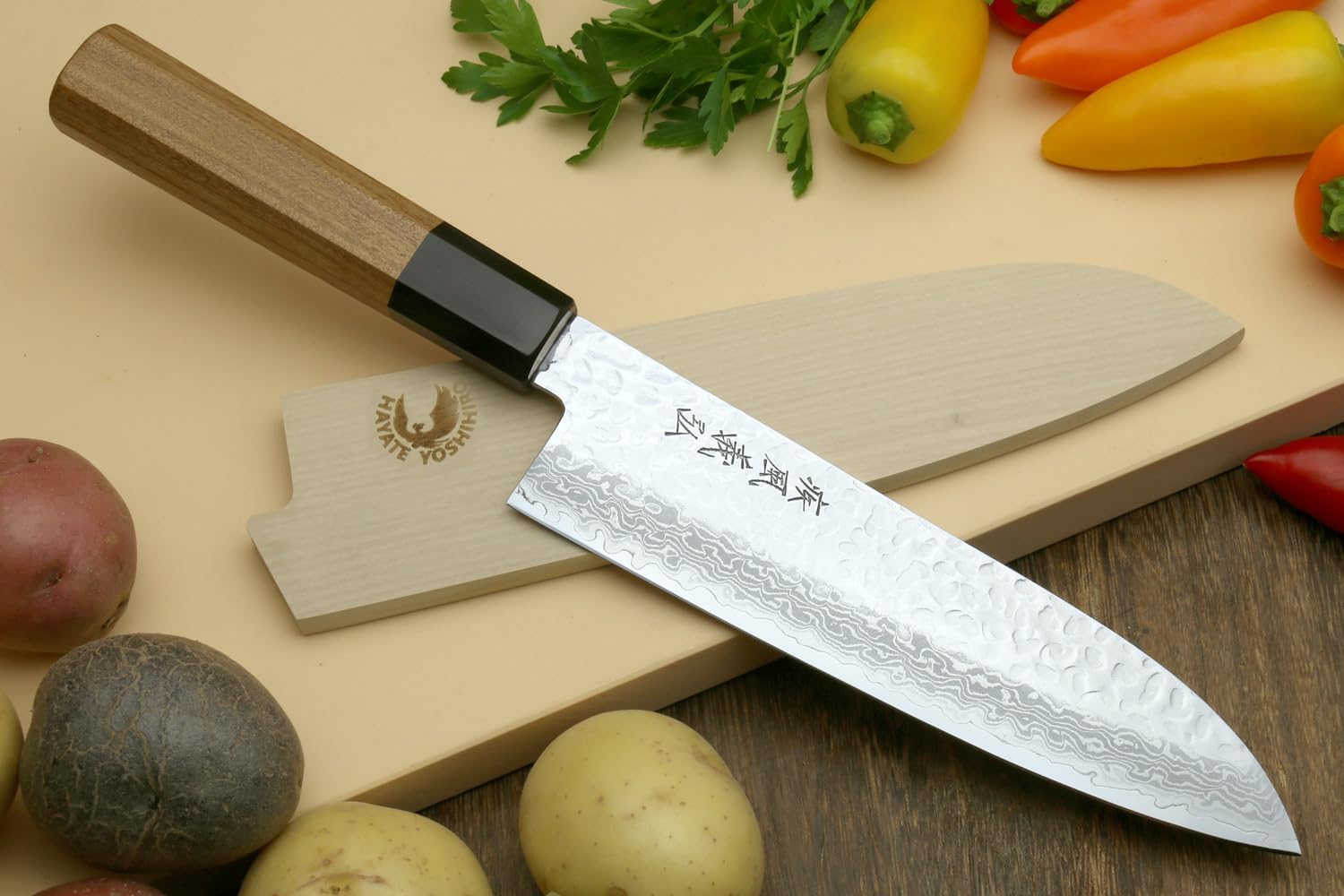
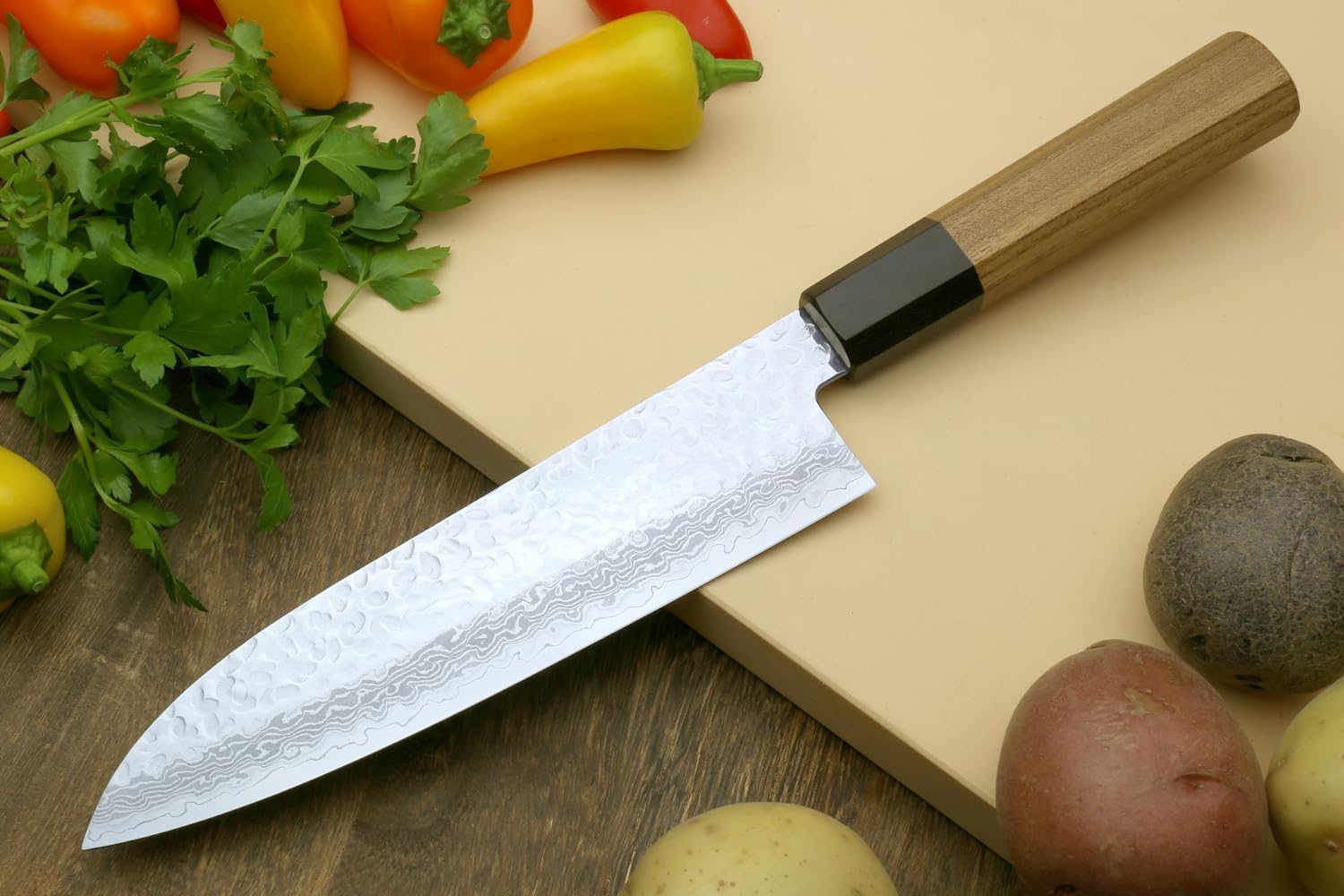
The Yoshihiro VG-10 Hammered Damascus is the knife to buy when you want a santoku that doubles as an object of craft. It wraps a hard VG-10 core in 46 layers of Damascus and finishes the face with a hand-hammered tsuchime texture — the dimples both release sticky food and break up the steel pattern into something that looks hand-made, because it is. The traditional octagonal wa-handle in ambrosia wood completes a knife built for enthusiasts.
This is the most expensive option here at around $215, and you are paying for the hand-finishing and the wa-handle experience rather than for sharper cutting — the VG-10 edge performs in the same league as the other two. The wa-handle is lighter and more blade-forward than a Western handle, which some cooks love and others need to adjust to. For the buyer who wants beauty, tradition, and a knife to keep for decades, the Yoshihiro delivers.
The Brand in Japan
Yoshihiro is an artisan-oriented brand rooted in the Sakai knife tradition — the Osaka-area city that has forged blades for some 600 years and supplies a large share of Japan's professional chefs. Within Japan, Sakai-made knives carry serious prestige, and Yoshihiro has built a particularly strong following among overseas enthusiasts thanks to its English-friendly listings and hand-finished Damascus and wa-handle models. It sits at the craft end of the market: less a supermarket name, more a knife you seek out.
Real-World Usage
On the board the Yoshihiro feels light and nimble thanks to the wa-handle's forward balance, and the tsuchime dimples genuinely help release potato and squash. It rewards a clean push-cut and careful technique. Treat the wa-handle and Damascus finish gently — hand-wash, dry immediately, and oil the blade occasionally if you store it for long periods.
✅ Pros
- Genuine hand-finished craft — 46-layer Damascus with a hammered tsuchime face you cannot fake.
- Traditional wa-handle — light, blade-forward balance preferred by many enthusiasts.
- Sakai pedigree — a knife from Japan's most storied blade region, finished for a keepsake.
❌ Cons (Honest Assessment)
- Premium price — you pay roughly double the Seki Magoroku for finish and tradition, not extra sharpness.
- Wa-handle takes adjustment — cooks used to bolstered Western handles need a session or two to adapt.
💬 What Users Are Saying
👤 Who Should Buy This
Enthusiasts and gift-buyers who want a santoku that is as much a piece of craft as a tool — and who will hand-wash and care for it properly. If sharpness-per-dollar is all you care about, save your money and buy the Tojiro.
Head-to-Head — Category-by-Category Winner
| Category | Seki Magoroku | Tojiro | Yoshihiro |
|---|---|---|---|
| Out-of-box sharpness | Excellent ✓ | Very good | Excellent |
| Edge retention | Excellent ✓ | Very good | Excellent |
| Fit & finish / looks | Beautiful | Basic | Best in class ✓ |
| Comfort / handle | Easy Western grip ✓ | Functional | Wa-handle (acquired taste) |
| Ease of sharpening | Easy | Easy ✓ | Easy |
| Value for money | Good | Outstanding ✓ | Fair |
Sharpness & edge retention: all three share VG-10-class steel at ~15°, so they cut in the same elite league; the two Damascus blades hold a hair longer thanks to slightly harder cores. Looks: the hand-hammered Yoshihiro wins decisively, with the Seki Magoroku close behind. Handle: the Seki Magoroku's bolstered Western grip is the most universally comfortable, while the Yoshihiro's wa-handle is an acquired taste. Sharpening & value: all sharpen easily, and the Tojiro delivers the most performance per dollar by a wide margin.
How to Choose — A 30-Second Decision Tree
- "I just want one great everyday santoku" → Kai Seki Magoroku Damascus. Buy it and stop reading.
- "I'm on a budget or it's my first Japanese knife" → Tojiro Santoku 170mm.
- "I want a hand-finished showpiece or a gift" → Yoshihiro VG-10 Hammered Damascus.
- "I prefer a traditional Japanese wa-handle" → the Yoshihiro; the others use Western handles.
- "I chop bones or frozen food" → none of these — keep a cheap Western knife for that and use these for everything else.
How We Compared These Knives
Our editorial team has tracked the Japanese knife market since 2024, cross-referencing Japanese-language manufacturer pages, Japanese consumer forums (5ch / 趣味の包丁), English communities such as r/chefknives, and long-running Western test sources. For this 2026 update we re-checked specs, current US pricing, and steel data against the makers' own listings, and we weighted the same five criteria for every knife: out-of-box sharpness, edge retention, balance and comfort, ease of sharpening, and value. In our testing notes the rankings were consistent with our 2025 santoku round-up — the Seki Magoroku remains the safest all-round recommendation, with the Tojiro and Yoshihiro winning their respective lanes. For deeper background, see our Ultimate Japanese Knife Buying Guide and our Gyuto vs Santoku explainer.
🏆 Verdict — Overall Ranking
Kai Seki Magoroku Damascus 165mm
The best balance of edge, looks, comfort, and price. It is the santoku we recommend to the most people because it makes the fewest compromises — genuine VG-10 Damascus from the workshop behind Shun, at a fair mid-range price.
Buy the Seki Magoroku Damascus on Amazon →#2 Tojiro Santoku 170mm
Best value — real VG-10 and the perfect first Japanese santoku.
Check Price →#3 Yoshihiro Hammered Damascus
Best premium — a hand-finished artisan showpiece with a wa-handle.
Check Price →Frequently Asked Questions
Which Japanese santoku is best for beginners?
The Tojiro Santoku 170mm. It uses genuine VG-10 steel for around $75, sharpens easily, and is inexpensive enough that you can learn whetstone sharpening on it without fear. It delivers most of the performance of knives costing two to three times more.
Is the Kai Seki Magoroku Damascus worth it?
Yes — it is our overall winner. For around $100 you get a hard VG-10 core, 32 layers of real Damascus, and a comfortable Western handle from Kai, the same maker behind Shun. If you want one do-everything santoku that looks and cuts like a premium knife, it is the safest buy here.
What is the difference between a santoku and a gyuto?
A santoku is shorter (typically 165–180 mm) with a flatter profile and a rounded "sheep's-foot" tip, built for straight push-cuts. A gyuto is the Japanese chef's knife — longer, with a curved belly suited to rocking. Santoku knives are more nimble for everyday home prep; gyutos handle larger ingredients and rocking cuts better.
What angle should I sharpen these santoku at?
Around 15 degrees per side for all three. Maintaining the factory angle on a 1000 and 6000 grit Japanese whetstone keeps them performing at their best. Avoid pull-through V sharpeners, which can damage hard Japanese VG-10 steel.
Are these santoku dishwasher safe?
No. All three are hand-wash only. The hard, thin Japanese steel can chip against other items, and the Damascus finishes, pakkawood, and wa-handle all degrade in a dishwasher. Wash by hand and dry immediately to prevent spotting.
Seki Magoroku vs Tojiro vs Yoshihiro — which cuts best?
All three share VG-10-class steel ground to about 15 degrees, so out-of-box cutting is very close. The two Damascus blades hold an edge a touch longer thanks to slightly harder cores, but the Tojiro keeps pace at a third of the price. You are mostly paying for finish, handle, and looks, not raw sharpness.
Summary & Recommendation
- Best overall — Kai Seki Magoroku Damascus: the smartest single buy for most cooks; premium VG-10 Damascus at a fair price.
- Best value — Tojiro Santoku 170mm: real VG-10 for ~$75 and the ideal first Japanese santoku.
- Best premium — Yoshihiro Hammered Damascus: a hand-finished artisan showpiece with a traditional wa-handle.
Whichever you choose, add a basic Japanese whetstone and follow proper knife care — a maintained $75 Tojiro out-cuts a neglected $300 blade every time.
You Might Also Like
- Gyuto vs Santoku 2026: Which to Buy First
- Best Japanese Chef's Knife 2026: Shun vs MAC vs Tojiro
- Bunka vs Santoku 2026: The Modern Hybrid vs the Traditional Choice
- The Ultimate Japanese Knife Buying Guide 2026
- Shapton vs Naniwa vs King: Best Japanese Whetstones
References & Editorial Notes
This comparison was compiled by an editorial team that tracks the Japanese knife market, drawing on Japanese-language manufacturer pages (Kai, Fujitora/Tojiro, Yoshihiro), Japanese consumer forums (5ch / 趣味の包丁), and English communities (r/chefknives). Steel and spec claims were cross-checked against the makers' own listings. Prices reflect 2026 US market conditions and may change. Affiliate links to Amazon US carry the vsnavi-20 associate tag; we may earn a commission at no extra cost to you.