This article contains affiliate links (we may earn a commission).
In Japan, matcha is background noise. There’s a vending machine outside a typical Japanese apartment building that sells canned matcha latte. The grocery store has a dedicated matcha section with thirty SKUs. Every department store food hall has at least one dedicated matcha stand. And yet, most of what gets exported and sold internationally as “premium matcha” is nothing like what Japanese people actually drink at home or in a tea ceremony.
The gap between Japanese matcha culture and the “matcha” that reaches Western shelves is enormous. I want to give you an honest map of that gap and tell you which products are actually worth buying — based on what the Japanese tea world itself values, not what a brand’s marketing team decided to call “ceremonial grade.”
Best Overall — Ippodo Tea Ummon Matcha (40g). Best for Tea Ceremony Credibility — Marukyu Koyamaen Wako (20g). Best Value Entry — Encha Ceremonial Grade (30g).
What Nobody Tells You About Matcha Grades
Before we get into specific products, I need to address the biggest source of confusion in the Western matcha market: the “ceremonial grade” label. Here’s the truth that the Japanese tea industry rarely bothers to communicate in English — there is no standardized grading system for matcha in Japan.
In Japan, tea merchants use their own internal quality tiers: usually something like usucha (usucha, thin tea for daily drinking), koicha (koicha, thick tea for formal ceremony), and culinary grade (cooking/culinary grade). There is no governmental or industry body that certifies “ceremonial grade.” That label was largely invented for English-speaking markets. Ippodo uses their own internal names (Ummon, Wakaki, Horai). Marukyu Koyamaen uses names like Wako, Choan, Aoarashi. None of them call their best products “ceremonial grade” in Japan.
What this means practically: a tin labeled “ceremonial grade” from an unknown brand may be no better — sometimes worse — than a product that doesn’t use that phrase at all. Judge matcha by the producer’s reputation, the specific named grade, and where it’s grown. Uji (Uji, Kyoto prefecture) and Nishio (West尾, Aichi prefecture) are Japan’s premier matcha-growing regions. Look for those place names.
Ippodo Tea Ummon Matcha: The Connoisseur’s Standard
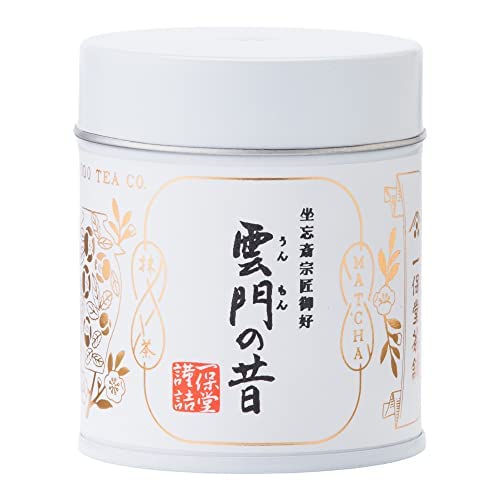
Here is how Japanese tea people talk about Ippodo: the way a European wine person talks about a Burgundy grand cru producer. The name signals knowledge. Buying Ippodo isn’t just buying matcha — it’s communicating that you know what matcha is. The company was founded in 1717 in Kyoto, making it over 300 years old. Their Kyoto flagship on Teramachi-dori is a beautiful, quiet shop that has been supplying the imperial court, tea schools, and temple kitchens for centuries.
What Makes Ummon Special
Ummon (雲門の昔) is Ippodo’s flagship rich-flavor matcha, designed for both usucha (thin tea) and koicha (thick tea). This dual capability matters — cheaper matcha used for koicha becomes unpleasantly bitter; Ummon remains complex and satisfying at higher concentrations. The flavor profile is: deep umami up front, a slight but pleasant vegetal bitterness in the middle, and a long, clean finish with lingering sweetness. The color is a deep, vivid emerald — the visual sign of high chlorophyll content from proper shading.
The Brand in Japan
In Japan, Ippodo operates a tea room and multiple café outposts where you can experience the full range in person. But the brand’s true credibility comes from its institutional relationships: Ippodo supplies tea to major Buddhist temples, the imperial household agency, and generations of private tea masters across Japan. When you buy Ippodo Ummon, you are drinking the same matcha that has been served in serious tea contexts for three centuries. That heritage is built into every tin.
The Kyoto tea community is small and deeply conservative. In that world, Ippodo’s standing is uncontested. Picking up an Ippodo tin when you visit Japan is the equivalent of bringing back a bottle from a famous small-production winery you visited in Burgundy — the provenance is part of the experience.
The Shading Process and Why Umami Matters
The distinctive “umami” quality of high-grade Japanese matcha — that savory-sweet depth that separates it from bitter, grassy cheap versions — comes from L-theanine and other amino acids that develop when the tea plant is shaded from sunlight for 3–4 weeks before harvest. This process is called 遮光栽培 (shakou saibai). Shading forces the plant to concentrate chlorophyll and amino acids to compensate for reduced photosynthesis. The result is the vivid green color and rich flavor that defines great matcha.
Inexpensive matcha frequently skips adequate shading or uses shorter shading periods. The bitterness that Western beginners complain about — that sharp, unpleasant edge — is almost always the result of inadequate shading time, not a problem inherent to the matcha category. Good shading eliminates that bitterness entirely.
Storage Note: The Japan Rule
Here’s something most English-language packaging doesn’t mention: in Japan, opened matcha is stored in the refrigerator. Not the pantry, not the cupboard — the refrigerator. Matcha is highly oxidation-sensitive and begins degrading at room temperature once opened, especially if exposed to light, air, or humidity. When you open your tin, store it in a sealed container in the refrigerator. The difference in flavor longevity is significant. This applies to all the matcha Here, not just Ippodo.
This is the matcha for the buyer who wants to understand what Japanese matcha is actually capable of at its peak. If you’ve had bitter, disappointing matcha before and wonder whether the fuss is justified — Ummon will answer that question definitively. It’s also the right choice if you plan to prepare koicha, host a tea experience, or give a gift to someone who takes tea seriously.
Ippodo Tea Ummon Matcha — 40g Can (Kyoto Since 1717)
Marukyu Koyamaen Wako: The Tea Ceremony School Standard

If Ippodo is the Burgundy grand cru producer, Marukyu Koyamaen is the house that supplies the Michelin three-star kitchens. Their claim to authority in Japanese matcha is specific and verifiable: Marukyu Koyamaen is the designated matcha supplier to Japan’s two most important tea ceremony schools — 裏千家 (Ura Senke) and 表千家 (Omote Senke). These schools trace their lineage directly to Sen no Rikyu, the 16th-century tea master who formalized Japanese tea ceremony practice. The matcha used in their formal ceremonies — the most culturally significant tea context in Japan — comes from Marukyu Koyamaen.
About the Wako Grade
Wako (和光) is Marukyu Koyamaen’s entry point into their high-quality usucha range — and “entry point” is relative. At this tier, you are still getting properly shaded Uji matcha with excellent color and clean flavor. Wako is characterized by a fresh, vivid aroma, smooth texture, and a balance of mild sweetness with controlled astringency. It lacks the deep koicha complexity of their premium grades (like Aoarashi or Choan) but holds up beautifully for daily thin tea preparation.
For a beginner investing in serious matcha for the first time, Wako is an excellent starting point: authentically Japanese, from a historically significant producer, without the full premium price of the top ceremonial grades.
The Brand in Japan
Marukyu Koyamaen is based in Uji, Kyoto — the spiritual and geographical heart of Japanese matcha production. Uji’s combination of morning mist from the Uji River, mineral-rich soil, and century-old cultivation tradition produces matcha with a complexity difficult to replicate elsewhere. When you buy Marukyu Koyamaen, you’re buying from a company that has grown and processed tea in this specific landscape for generations.
The tea ceremony connection is not a marketing angle — it is a functional reality. The tea schools require specific, consistent quality across seasons. Marukyu Koyamaen’s ability to maintain that consistency for the most demanding institutional clients in Japan is the quality guarantee that matters more than any label.
Understanding the Internal Grading Scale
Marukyu Koyamaen’s lineup, from their most accessible to their most premium, roughly follows this progression for thin tea: Wako → Aoarashi → Yugen → Choan → and upwards to their most exclusive ceremonial blends. Each step up represents additional shading intensity, younger leaf selection, and more precise hand-processing. Wako is genuinely good matcha — just not their absolute pinnacle. That’s a useful thing to know when planning a gift or an upgrade.
This is the pick for someone who wants to drink what Japan’s most historically significant tea ceremony institutions actually use, at the most accessible tier of that producer’s lineup. It’s also an excellent gift choice for anyone interested in Japanese culture or tea ceremony — the Marukyu Koyamaen name carries enormous weight among people who know Japanese tea.
Marukyu Koyamaen Wako Matcha — 20g (Uji Kyoto)
Encha Ceremonial Grade Matcha: The Best Value Entry Point
Encha is not a centuries-old Japanese institution — it’s a California-based company that sources its matcha directly from a farm in Uji, Japan. I include it in this comparison precisely because it represents what a thoughtfully sourced, honest product looks like at a more accessible price point. Not every matcha buyer needs to start at Ippodo Ummon, and Encha fills a real gap in the market.
What Encha Gets Right
Encha’s ceremonial grade matcha is organic, first-harvest, and genuinely grown in Uji. First harvest (一番茶, ichibanhcha) matters: the earliest spring picking produces leaves with the highest amino acid content, lowest astringency, and most vivid color. Most affordable matcha uses second or third harvest leaves — perfectly fine for cooking, but noticeably inferior for drinking straight. Encha’s commitment to first-harvest sourcing is the foundational quality decision that separates them from generic “green powder” competitors.
The taste profile is lighter and brighter than Ippodo Ummon or Marukyu Wako — less umami depth, but clean flavor with minimal bitterness. This makes it an excellent matcha for lattes, smoothies, or daily drinking where you want quality without the investment of top-tier ceremonial grades. At around $26.99 for 30g on Amazon, it’s meaningfully cheaper than Ippodo while remaining authentically Uji-sourced first-harvest matcha.
The Brand in Japan — and Why It Matters That It Isn’t Japanese
Encha is an American brand selling Japanese-sourced matcha. In Japan, you would not find Encha on the shelf — Japanese consumers buy from Japanese producers. But Encha’s existence reflects something real: the Japanese matcha farm that supplies them produces excellent tea, and the direct-relationship model (farm-to-brand without multiple distributors) is a legitimate quality approach that certain small Japanese farms actually prefer for international sales.
The Japan insider angle here is that many small Uji farms don’t have their own internationally recognized English-language brand. They supply to both domestic tea merchants and international brands like Encha. Buying Encha means buying from a farm with authentic Uji provenance, even if the brand itself is American. That’s a meaningfully different situation from buying a generic “Japanese matcha” of unknown origin.
Encha vs. “Ceremonial Grade” Labels on Other Brands
The “ceremonial grade” label on Encha’s packaging is one of the more honest uses of the term in the Western market: their product is genuinely first-harvest, single-origin Uji matcha. Compare this to brands that apply “ceremonial grade” to second-harvest matcha from unspecified Chinese or Korean origins. When evaluating any matcha’s “ceremonial grade” claim, the questions that matter are: Is it first harvest? Is the origin specified as a named Japanese region? Is the producer named or the farm traceable? Encha answers yes to all three.
Encha is the right starting point for someone new to quality matcha who wants authentic first-harvest Uji sourcing without the premium price of Ippodo or Marukyu Koyamaen’s top grades. It’s also the right daily-driver matcha for someone who already loves Ippodo but can’t justify the per-gram cost for everyday morning lattes.
Encha Ceremonial Grade Matcha — 30g, Organic First Harvest from Uji, Japan
Side-by-Side Comparison
| Feature | Ippodo Ummon | Marukyu Koyamaen Wako | Encha Ceremonial |
|---|---|---|---|
| Origin | Uji, Kyoto | Uji, Kyoto | Uji, Kyoto (US brand) |
| Founded | 1717 (Kyoto) | Uji, generations-old | Modern, US-based |
| Japan tea ceremony use | Yes — temple & private masters | Yes — Ura/Omote Senke schools | No (export-focused) |
| Harvest type | First harvest (spring) | First harvest (spring) | First harvest (spring) |
| Suitable for koicha? | Yes | Usucha tier | Thin tea / lattes |
| Flavor character | Deep umami, complex, robust | Fresh, smooth, light sweetness | Clean, bright, mild |
| Price range | ~$49 / 40g (Amazon US, Oct 3, 2026) | ~$20–28 / 20g | ~$27 / 30g |
| Best use | Special occasions, gifting, serious daily practice | Daily thin tea, cultural gifts | Daily lattes, beginner exploration |
Our pick: Ippodo Tea Ummon Matcha
Final Verdict
For a genuine beginner who wants to understand what makes Japanese matcha different — start with Encha to get your baseline, then try Ippodo Ummon to see what the ceiling looks like. The gap between them will teach you more about matcha quality than any article can.
But if I had to pick one product as the single best representation of why Japanese matcha has the reputation it does, it’s Ippodo Ummon. Three centuries of craft in a 40-gram tin.
#1 – Ippodo Tea Ummon Matcha (40g) Kyoto’s most respected tea merchant since 1717. The matcha that defines what serious Japanese green tea tastes like. For daily sencha and genmaicha rather than ceremonial matcha, our guide to everyday Japanese green teas covers the supermarket staples. Rich umami, deep emerald color, zero bitterness. The benchmark for understanding what the category is capable of. Check price on Amazon →
Which Should You Buy? A Decision Guide
- Completely new to matcha? Start with Encha Ceremonial Grade. It’s authentic first-harvest Uji matcha at an accessible price. Use it to develop your palate before moving up.
- Want the genuine Japanese tea ceremony experience at home? Marukyu Koyamaen Wako is the right choice — you’re using the same supplier as the Ura Senke and Omote Senke schools.
- Want to understand what great matcha truly is? Ippodo Ummon. No caveats. This is the product that answers every question about what matcha can be.
- Making matcha lattes daily? Encha for everyday use, supplemented with the occasional Ippodo tin for “straight tea” occasions.
- Buying as a meaningful gift for a Japan enthusiast? Ippodo Ummon or Marukyu Koyamaen Wako. Both communicate cultural knowledge and thoughtfulness. The Ippodo tin especially — few gifts from Japan carry more heritage in a small package.
- Budget-conscious but unwilling to compromise on Uji provenance? Encha 30g at ~$27 is your answer. It’s genuinely better than anything labeled “ceremonial grade” from an unknown source.
One practical note for anyone visiting Japan: if you go to Kyoto, visit the Ippodo shop on Teramachi-dori (寺町通り) and the Marukyu Koyamaen shop in Uji. You can try teas before buying and buy at Japanese retail prices — significantly less than the import premium you pay internationally. Both shops have English-speaking staff and welcome visitors. It’s one of the best afternoon itinerary additions in Kyoto for food lovers.
FAQ: Japanese Matcha for Beginners
Why does Japanese matcha taste bitter? Is there something wrong?
Bitterness in matcha almost always indicates one of three things: inadequate shading time before harvest (the most common cause), lower-quality leaf selection (second or third harvest, older leaves), or incorrect preparation temperature (water that’s too hot above 80°C/176°F denatures the delicate amino acids and releases harsh tannins). High-quality matcha prepared correctly — around 70–80°C water, whisked not stirred — should have almost no bitterness. If you’ve only experienced bitter matcha, you haven’t yet experienced good matcha.
How should I store matcha after opening?
Store opened matcha in the refrigerator, inside a sealed container or the original tin with the lid tightly closed. In Japan, this is standard practice — room temperature storage is considered damaging. The two enemies of matcha quality are oxidation and moisture. Cold, sealed, dark storage extends the life of opened matcha from days (at room temperature) to weeks. Always bring refrigerated matcha to room temperature briefly before opening to prevent condensation forming inside the container.
What equipment do I need to prepare Japanese matcha properly?
At minimum: a chasen (茶筌, bamboo whisk) and a chawan (茶碗, matcha bowl). A chasen is non-negotiable — ordinary spoons or electric frothers cannot replicate the fine foam that a chasen creates, which is the textural hallmark of properly prepared matcha. A chawan’s wide base and flat bottom give the whisk room to move properly. You’ll also need a small sieve to sift the powder before whisking — this eliminates clumping. Total cost for a good beginner set is $20–40, and the chasen should last 6–12 months with proper care (dry it on a chasen holder after each use).
Chasen are not interchangeable, either. Prong count changes how fast a thin usucha foams, while the material decides how much care the whisk needs: Takayama in Nara has made bamboo chasen since the fifteenth century, yet resin whisks now exist for people who make a latte every day. Our comparison of matcha whisks puts four that are in stock on Amazon side by side.
Is “ceremonial grade” matcha really better than regular matcha?
The “ceremonial grade” label is not standardized in Japan and means different things from different brands. From Ippodo or Marukyu Koyamaen, their best grades are genuinely outstanding. From an unknown brand, the label is often just marketing. The reliable quality signals are: named Uji or Nishio origin, first harvest (一番茶), stone-ground processing (石臼挽き), and the reputation of the specific producer. When in doubt, buy from a Japanese producer whose name carries weight in Japan — like the two featured here — rather than trusting any generic grade label.
Ready to Buy?
If you have made it this far in our 2026 review, you have done your homework. Our final recommendation remains the Ippodo Tea Ummon Matcha (40g). Available on Amazon with Prime shipping to the United States and most international destinations.
Buy on Amazon →
See price · Available on Amazon US
References
- Ippodo Tea – Our Story – Ippodo official, accessed May 2026
- Marukyu Koyamaen – History – Marukyu Koyamaen official, accessed May 2026