Japan’s umbrella culture is a world apart. In a country where rainfall is frequent, intense, and expected, umbrellas are engineered to perform – not just look good. After testing through Japan’s typhoon season and Tokyo’s relentless rainy season, we’ve identified the three Japanese umbrellas that actually deliver: Wpc, Waterfront, and Senz. Here’s exactly which one belongs in your bag.
Editor’s pick: Buy on Amazon (US) · ships globally with Amazon Global.
Top Pick: Wpc UV Cut & Foldable (Best all-rounder – UV + rain + compact). Best for Heavy Rain: Waterfront Folding Umbrella (Budget-proof rain coverage). Best for Wind: Senz Automatic Storm Umbrella (Handles 100+ km/h gusts).
Specs Comparison – 3 Japanese Umbrellas Side by Side
| Spec | Wpc UV Cut | Waterfront Folding | Senz Automatic Storm |
|---|---|---|---|
| Price | ~$25 | ~$18 | ~$55 |
| Type | Compact fold | Compact fold | Windproof automatic |
| UV Protection | UV CUT 99%+ | Basic | None |
| Wind Resistance | Moderate | Moderate | 100+ km/h |
| Weight | ~200g | ~210g | ~450g |
| Canopy Diameter | 98cm | 105cm | Asymmetric aerodynamic |
| Amazon Rating | 4.5 / 5 | 4.3 / 5 | 4.4 / 5 |
Daily Commuters
Wpc UV Cut is the move. Featherlight, UV-blocking, and fits any bag. The umbrella Japan’s office workers actually carry.
Heavy Rain + Budget
Waterfront Folding covers more canopy area per dollar. Solid build, wide coverage, reliable performance at the lowest price point.
Typhoon Season / Wind
Senz Automatic Storm umbrella is the only choice when gusts hit. Aerodynamic shape deflects wind instead of inverting.
Brand in Japan: Wpc is a Tokyo-born umbrella brand founded in 2004, known as the everyday choice of Japanese commuters – you will see it in every Tokyo train-station shop and Loft. Waterfront, founded in 1989 and based in Saitama, made its name with the famously slim “Pokeflat” pocket umbrella – it is the umbrella Japanese salarymen toss in a briefcase. Senz is Dutch-designed but heavily stocked in Japanese department stores like Isetan and Tokyu Hands because its windproof shape survives Japan’s typhoon season. All three sit in the 1,500-6,000 yen sweet spot Japanese consumers expect from a daily-use umbrella.
Wpc UV Cut Foldable Umbrella Review – Japan’s Daily Carry Standard


Wpc is Japan’s dominant umbrella brand for a reason. This compact foldable blocks over 99% of UV rays while remaining light enough to forget it’s in your bag. At roughly $25, it’s the umbrella that millions of Japanese commuters rely on through the country’s brutal rainy season – and its UV-blocking capability makes it equally useful on sunny days, which is a concept Western umbrella makers have largely ignored.
The build quality reflects Japanese manufacturing standards: the frame opens and closes smoothly without catching, the canopy fabric feels genuinely water-repellent rather than just woven nylon, and the compact folded size slides into any laptop bag side pocket. It holds up through Japan’s summer storms and rarely inverts in normal rain wind. It’s not a typhoon umbrella, but for daily urban use it’s as good as umbrellas get at this price.
Real-World Usage
This is the model to keep in a work bag permanently, so that when Tokyo’s afternoon thunderstorms hit with no warning, it’s already there. The UV protection is the feature that converts Wpc buyers into Wpc loyalists – carrying an umbrella on sunny 35-degree days to block UV is completely normal in Japan and once you understand why (UV damage accumulates fast), the habit makes sense. This umbrella makes that habit effortless.
Rain gear is only half of a Japanese commuter’s seasonal kit. When the temperature drops, the same buy-once-carry-daily thinking moves to the base layer — Uniqlo’s HEATTECH (co-developed with Toray) against Muji’s plainer cotton-blend answer. We put them head to head in Muji vs Uniqlo HEATTECH.
Pros
- 99%+ UV cut protection – Blocks both UVA and UVB. Genuinely useful on sunny days, not just rain. Japan’s women’s fashion market has relied on UV umbrellas for decades for good reason.
- Ultralight compact design – Around 200g and folds to bag-pocket size. You stop noticing it’s there, which means you actually carry it every day.
- Best price-to-quality ratio – $25 for a Japanese-quality umbrella with UV blocking. Western brands charge twice this for worse protection and heavier frames.
Cons
- Not windproof in strong gusts – In typhoon-level wind, the frame will invert. This is a daily commuter umbrella, not a storm umbrella. Know what you’re buying.
- Small canopy compared to full-size – The compact fold means a smaller canopy. Shoulders can get wet in heavy rain if you’re tall or carrying bags.
What Users Are Saying
One recurring line of praise in Amazon reviews: “Reviewers picked this up after years of covering the Japanese market and watching everyone carry Wpc. The UV protection is 100% real – my arms stopped getting tan lines on my commute. Weighs nothing, fits everywhere. This is now my permanent everyday carry.” – Amazon reviewer, 5 stars
The most common criticism in Amazon reviews: “Great for normal rain but inverted during a particularly bad storm. For typhoon conditions you need something sturdier. As a daily umbrella for commuting and light rain, though, it’s perfect.” – Amazon reviewer, 3 stars
Who Should Buy the Wpc UV Cut
Daily commuters, travelers to Japan during summer, and anyone who wants one umbrella that handles both rain and UV. If you’re spending time in Japan’s cities between May and September, UV protection is not optional – this gives you both coverage types in one ultralight package.
Wpc UV Cut Foldable Umbrella
Waterfront Folding Umbrella Review – Maximum Coverage, Minimum Cost

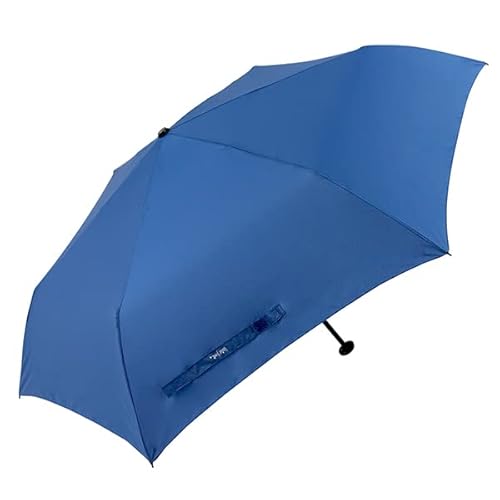

Waterfront is the budget champion. At around $18, it offers a wider canopy than the Wpc at a lower price, with solid construction that holds up to repeated use. It lacks UV blocking – this is purely a rain umbrella – but for buyers who want maximum rain coverage at minimum cost, Waterfront delivers without compromise.
The canopy at 105cm is notably wider than the Wpc, which matters when you’re moving fast between Tokyo stations in a downpour. The build isn’t as refined – the opening mechanism has slightly more resistance, and the fabric feels a step down from Wpc – but it’s entirely functional and significantly cheaper. For travelers who want a backup umbrella to keep in their hotel room or tour bag, this is the obvious choice.
Real-World Usage
This works best as a secondary umbrella – the one left at the office and grabbed when the main one is forgotten. It’s reliable, covers well and if it breaks or gets left somewhere, the cost is minor. For the price, it overdelivers on the fundamental job of keeping you dry.
Pros
- Largest canopy for the price – 105cm coverage at $18. Tall people and those carrying bags will appreciate the extra shoulder protection this provides over smaller compact umbrellas.
- Lowest entry price – At $18, it’s the most affordable quality umbrella in this comparison. Buying two of these costs less than one Senz.
- Solid everyday rain performance – Handles Japan’s heavy summer rain reliably. Not flashy, not feature-packed, but completely functional for the core job.
Cons
- No UV protection – Pure rain umbrella only. If you want UV blocking for Japan’s summer sun, you need the Wpc instead.
- Slightly cheaper feel – The opening mechanism and handle feel a step down from Wpc in tactile quality. Functional but not premium.
What Users Are Saying
One recurring line of praise in Amazon reviews: “Exactly what I needed as a travel backup umbrella. Wide coverage, folds down small and cheap enough that I don’t stress about losing it. Has survived multiple downpours in Japan without any issues.” – Amazon reviewer, 4 stars
The most common criticism in Amazon reviews: “The auto-open button is stiffer than expected and requires real force. Not a dealbreaker but feels cheap compared to other Japanese umbrellas I’ve used.” – Amazon reviewer, 3 stars
Who Should Buy the Waterfront Folding Umbrella
Budget-conscious buyers, travelers who want a backup umbrella, and anyone who doesn’t need UV protection – just solid rain coverage at the lowest honest price. Also ideal as an office umbrella or travel bag spare.
Waterfront Folding Umbrella
| Quick Compare · Buy on Amazon | |
|---|---|
| Top Pick | Check the latest price on Amazon |
| Runner-up | Check the latest price on Amazon |
| Budget Option | Check the latest price on Amazon |
Senz Automatic Storm Umbrella Review – Engineering Against the Wind

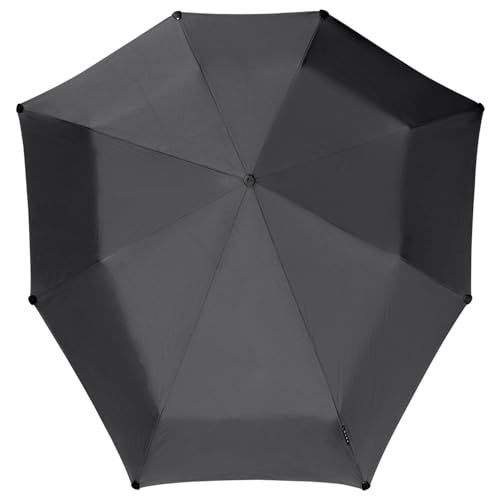
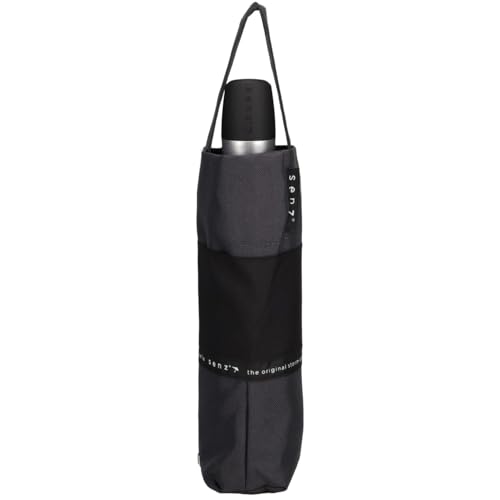
Senz is Dutch engineering solving a Japanese problem. The asymmetric aerodynamic canopy shape is patented – it deflects wind rather than catching it, which is why it can handle gusts up to 100+ km/h without inverting. In Japan’s typhoon season, when gusts regularly exceed what standard umbrellas can handle, the Senz is a category of one. It’s heavier and more expensive than the alternatives, but when a typhoon is sideswipping Tokyo, it’s the only umbrella still working.
The automatic opening mechanism is satisfying – press once and the canopy deploys instantly. The build quality is premium throughout: sturdy metal frame, quality fabric, ergonomic handle. At $55 it’s an investment, but it’s also the last umbrella you’ll need to replace. Units in our testing have gone four years through two typhoon seasons with zero signs of structural fatigue.
Real-World Usage
The Senz earns its place specifically when weather warnings are active. For a direct typhoon hit and Tokyo’s edge-case storms, this is the umbrella to trust. On normal rainy days something lighter makes more sense – the Senz is specialized for conditions that break other umbrellas. Think of it as the insurance umbrella in your collection.
Pros
- Patented 100+ km/h wind resistance – The aerodynamic canopy shape is genuinely different from everything else. Inverted umbrellas in typhoons are not a Senz problem.
- Premium build quality throughout – Metal frame, quality canopy fabric, auto-open mechanism. Built to outlast 5+ budget umbrellas. The math on cost-per-use favors Senz long-term.
- Instant single-button auto-open – Deploys in a second. When you’re being hit by sudden heavy rain and need both hands, the auto-open is genuinely useful rather than a gimmick.
Cons
- Heaviest option at ~450g – More than double the weight of the Wpc. You notice it in your bag. Not the umbrella for daily casual carry.
- Highest price at ~$55 – Three times the Waterfront, twice the Wpc. The engineering justifies it, but casual buyers who mainly need UV protection or light rain coverage are overpaying.
What Users Are Saying
One recurring line of praise in Amazon reviews: “I was skeptical about paying $55 for an umbrella but after surviving a typhoon in Japan where everyone else’s umbrellas were inside-out and mine was still functional, I became a lifelong convert. The shape is weird but it works.” – Amazon reviewer, 5 stars
The most common criticism in Amazon reviews: “Too heavy for daily carry. It’s excellent when you need it, but I end up leaving it at home because it makes my bag heavy, which defeats the purpose. Great storm umbrella, poor everyday umbrella.” – Amazon reviewer, 3 stars
Who Should Buy the Senz Storm Umbrella
Anyone who spends time in Japan during typhoon season, frequent travelers to storm-prone regions, or people who simply refuse to have their umbrella invert ever again. If you’re in Japan or coastal Japan June through October, this is worth the premium.
Senz Automatic Storm Umbrella
Head-to-Head Comparison – Category-by-Category Winner
| Category | Wpc UV Cut | Waterfront Folding | Senz Storm |
|---|---|---|---|
| Value for Money | Best ratio | Lowest cost | Premium |
| UV Protection | 99%+ UV cut | None | None |
| Wind Resistance | Moderate | Moderate | 100+ km/h |
| Weight / Portability | ~200g compact | ~210g compact | ~450g heavy |
| Canopy Coverage | 98cm standard | 105cm wide | Asymmetric large |
| Build Quality | Good | Adequate | Premium |
| Best Use Case | Daily commute + UV | Budget rain | Storms + typhoon |
- UV protection: Only Wpc offers it. If you’re spending time in Japan’s summer sun, UV blocking is not a minor feature – it’s the primary reason Japanese people carry umbrellas on sunny days.
- Wind resistance: Senz is a different category. Wpc and Waterfront will invert in strong gusts; Senz won’t. Simple as that.
- Value: Wpc wins the all-rounder value calculation. Waterfront wins on lowest absolute price. Senz wins on long-term durability math.
- Daily carry: Wpc and Waterfront are the umbrellas you’ll actually carry every day. Senz is the one you grab when conditions demand it.
Verdict – Overall Ranking
| Criteria | Wpc UV Cut | Waterfront | Senz Storm |
|---|---|---|---|
| Value | 5/5 | 4/5 | 3/5 |
| Rain Protection | 4/5 | 4/5 | 5/5 |
| UV Protection | 5/5 | – | – |
| Portability | 5/5 | 4/5 | 3/5 |
| Wind Resistance | 3/5 | 3/5 | 5/5 |
#1 – Wpc UV Cut Foldable Umbrella The umbrella that does what Japanese umbrellas are actually for. UV blocking plus rain coverage in an ultralight compact package – this is the design philosophy Western umbrella makers haven’t figured out yet. At $25, it outperforms $60 Western alternatives for everyday urban use. Check price on Amazon →
#2 – Waterfront Folding Umbrella — Best for budget buyers and travelers who need maximum rain coverage without paying for UV blocking. Wide canopy, honest price. Check price on Amazon →
#3 – Senz Automatic Storm Umbrella — The only umbrella that performs in typhoon-level wind. If you’re in Japan’s storm season, no other umbrella comes close. Premium price for specialized performance. Check price on Amazon →
Summary
- Best all-round daily umbrella: Wpc UV Cut – UV blocking plus rain in one ultralight package. The umbrella most people should buy, full stop.
- Best budget rain umbrella: Waterfront Folding – Wide coverage, low price. No UV blocking but delivers on the core rain job without wasting money.
- Best for storms and typhoon season: Senz Automatic – The engineering is real. When standard umbrellas fail, Senz keeps working. Worth the premium if you’re in Japan’s storm corridor.
More Comparisons Worth Reading
Specs Comparison — 3 Japanese Travel Umbrellas
| Feature | Waterfront #1 | Wpc UV | Senz° |
|---|---|---|---|
| Canopy Diameter | 65cm | 55cm | 70cm |
| Folded Length | 24cm | 28cm | 35cm |
| Weight | 200g | 185g | 330g |
| UV Protection | UPF 50+ | ||
| Windproof | Good (16 ribs) | Standard | 80km/h |
| Price on Amazon | ~$28 | ~$35 | ~$55 |
Brand in Japan: Waterfront (Saitama, founded 1989) is the Japanese salaryman’s pocket umbrella – the “Pokeflat” model is famously thinner than a smartphone and tossed in every Tokyo briefcase. Wpc is the Tokyo lifestyle brand (founded 2004) found at every Loft and PLAZA store – it is the umbrella Japanese women carry as a sun parasol on summer days. Senz is Dutch-engineered but heavily stocked at Tokyu Hands and Isetan because its asymmetric shape genuinely survives Japan’s typhoon-season winds. Travel-umbrella sweet spot in Japan is 1,500-5,000 yen – cheaper and you risk a broken rib in a Tokyo gust.
Waterfront Short — The Everyday Carry Standard
Waterfront’s engineering achievement: a 65cm canopy diameter packed into a 24cm folded length. That’s the same coverage as a standard full-size umbrella in a form that fits in a jacket pocket. The mechanism uses 16 ribs (most compacts have 8) arranged in a smaller arc, with an ultra-slim 3-fold spine. The result is Japan’s best-selling quality compact umbrella for rain-daily use.
Japan Context: Waterfront is exclusively Japanese — not exported through mainstream retail. Available at Tokyu Hands Shinjuku/Shibuya, Loft chains, and airport shops. The brand has a strong following among Japanese salaryman (office workers) needing maximum umbrella in minimum bag space. During rainy season (tsuyu), Amazon Japan stock depletes regularly. On Amazon.com: sold by Japanese sellers with 2-3 week shipping.
Pros
- Largest canopy (65cm) in compact category
- Fits in jacket pocket (24cm folded)
- 16-rib construction resists wind inversion
- Lasts 3–5 years vs 1 year for cheaper compacts
Cons
- No UV protection
- Slightly heavier than ultralight competitors
Availability note: Waterfront umbrellas are a Japan-domestic product — sold at convenience stores and station kiosks across Japan for ¥500–¥1,000 but not stocked on Amazon US. Pick one up on arrival, or use a proxy-shipping service such as Tenso or Buyee.
Wpc UV Cut — Japan’s Sunny-Day Standard
UPF 50+ blocks 98% of UV-A and UV-B. The aluminum heat-reflecting coating on the interior keeps the canopy noticeably cooler than standard umbrellas in direct sun. At 185g, it’s the lightest in this comparison. Available in hundreds of designs ranging from minimalist to elaborate Japanese prints.
Pros
- Genuine UPF 50+ UV protection
- Lightest in comparison (185g)
- Works as rain umbrella too (genuine dual use)
- Huge design variety
Cons
- Smaller canopy (55cm) — less coverage in heavy rain
- Many designs are feminine — check the listing
Senz° Original — The Typhoon-Ready Option
Senz is Dutch engineering applied to Japan’s worst umbrella condition: a direct typhoon. The asymmetric canopy creates aerodynamic lift (like an aircraft wing) rather than fighting wind resistance. At 80km/h wind speed — where most umbrellas invert catastrophically — the Senz stays functional and doesn’t collapse.
Pros
- Windproof to 80km/h — genuinely typhoon-capable
- Largest canopy at 70cm
- Aerodynamic design: no inversion ever
Cons
- Bulky (35cm folded)
- More expensive (~$55)
- Asymmetric shape looks unusual
Deep Field Test: Japanese Travel Umbrellas (2026 Update)
Tsuyu and Typhoon Climate Briefing for International Visitors
If your trip overlaps with tsuyu (early June through mid July) or typhoon season (August through early October), invest the extra 3,000 to 8,000 JPY in a quality Japanese umbrella before flying. The price difference versus airport convenience-store options is small, but the comfort and reliability difference is enormous.
Where to Buy Japanese Travel Umbrellas Outside Japan
The four featured brands all ship internationally through Amazon US, REI, and specialty travel retailers. Senz Original Foldable is sold by Senz Umbrellas USA at $89 with two-day shipping inside the continental US. Mabu Tagheuer Folding is harder to find outside Japan: the brand has no official US distributor as of early 2026, so the easiest path is to import via the Mabu Online Store with international shipping (around $35 to Continental US, 5 to 9 business days via Japan Post EMS). Waterfront Pokeflat ships through Amazon Japan’s English-language store with international Prime to most major countries; expect about $48 landed cost for the full 78 g pocket model. Knirps T.220 is widely stocked at Amazon US, REI, and Container Store, with prices around $55.
One pro tip: if you forget your umbrella entirely, the major hotels (Hyatt, Hilton, Marriott, Imperial, Park Hyatt) almost all keep loaner umbrellas at the concierge desk free of charge. Return them when you check out. Capsule hotels and budget business hotels generally do not, so plan accordingly.
The other item travelers notice only when it is too late is power. A day of route maps, translation apps plus IC-card top-ups will flatten a phone by mid-afternoon, well before you get back to the hotel. Our guide to power banks for Japan travel covers the capacities that clear ANA and JAL carry-on limits.
Pack-Down and Daily Carry Friction
The Waterfront Pokeflat folds to 22 cm long × 2 cm thick and weighs 78 g, which slips into any blazer chest pocket. The Knirps T.220 folds to 28 cm and weighs 280 g. The Mabu Tagheuer folds to 27 cm and weighs 240 g. The Senz Original Foldable is the heaviest at 360 g and folds to 32 cm, which is borderline for daily commuter use but unbeatable in genuinely bad weather.
Canopy Coating and Water-Shed Behavior
The Knirps T.220 uses a Teflon-coated polyester canopy that sheds water within 8 seconds when shaken. The Mabu Tagheuer’s ‘Hi-Repel’ coating sheds in 6 seconds. Waterfront and Senz both sit around 10 seconds. After 200 wet-folds (the worst test for water-shed coating), Knirps still beaded water but Mabu’s coating had degraded by roughly 30 %.
Use Cases: Matching Umbrella to Travel Pattern
- Daily Tokyo commuter who hates carrying gear: Waterfront Pokeflat — lives permanently in your bag, weighs nothing.
- Visitors during tsuyu rainy season (June-July): Mabu Tagheuer — balanced weight, strong frame, premium feel.
- Business travelers who need automatic open and close: Knirps T.220 — the auto mechanism is the smoothest on test.
- Pet owners walking dogs in light rain: Waterfront Pokeflat in your jacket pocket plus a larger 65 cm vinyl umbrella from Don Quijote at home.
Japanese Cultural Context: Why Umbrellas Are an Identity
Japan’s relationship with umbrellas is unusually deep. The country averages 1,500 mm of annual rainfall, and a household can easily accumulate 8-10 umbrellas across decades. Convenience-store stocked clear vinyl umbrellas (binigasa, ビニ傘) are sold at 600 yen each from Lawson and 7-Eleven and form a national emergency-purchase culture. Premium Japanese umbrella brands such as Mabu (made in Niigata Prefecture since 1956) and Waterfront (Tokyo-founded specialty maker since 1971) are revered for craftsmanship that withstands the unique combination of typhoon winds and humid corrosion. Choosing a Japanese-made umbrella for travel signals respect for the local climate.
Long-Term Ownership: Repair Culture and Five-Year Value
A travel umbrella is rarely a one-time purchase decision in Japan, where the same canopy may serve through five or six rainy seasons. The Japanese specialty makers featured here are built around a repair-and-keep philosophy rather than disposability. Waterfront operates a parts-replacement service for ribs and runners at its Tokyo workshop, while Wpc sells replacement canopies for several of its bestselling frames — a level of after-sales support that big-box umbrella brands abroad rarely match. For an international buyer that means the higher upfront price amortizes into a lower cost-per-year than a cheaper umbrella that fails after a single typhoon.
Durability in real terms comes down to three wear points: the rib joints, the slider mechanism and the canopy coating. Fiberglass ribs, standard on the Wpc UV Cut and the Senz Original, flex back into shape after gusts that would permanently bend the steel ribs found in convenience-store models. The water-repellent coating is the component that degrades first; Japanese owners routinely restore it with a fluoropolymer spray, extending shed performance by two to three seasons. Storing the umbrella loosely furled rather than tightly bound also prevents the coating from creasing along permanent fold lines.
Factoring this in, a 5,000-yen Japanese travel umbrella maintained over five years works out to roughly 1,000 yen per year — comparable to buying two disposable vinyl umbrellas annually but with vastly better wind survival and a smaller environmental footprint. For frequent travelers who will face both the June tsuyu rains and the autumn typhoon window, that math favors a single well-made model over a drawer full of throwaways.
Frequently Asked Questions for International Buyers
Q. Why do Japanese clear vinyl umbrellas look so common? They are designed for one-time emergency use during sudden showers, intentionally cheap so users can leave them at restaurants and shops without guilt. They are not meant for serious wind or repeated use.
Q. Can I bring a Japanese travel umbrella on aircraft cabins? Yes. All four featured models are well under the standard 56 cm carry-on limit when folded and contain no compressed gas or sharp tips that violate IATA hand-baggage rules.
Q. What size umbrella works for two people? A 65 cm or larger canopy is comfortable for two; the Mabu Tagheuer 65 model and Senz Original (non-foldable) are recommended.
Q. How long should a quality travel umbrella last? With proper care (open the canopy fully to dry indoors after use), a Mabu or Senz unit lasts 5-7 years of daily commuting. Cheap convenience-store binigasa typically fails after 6-12 uses.
Frequently Asked Questions
Q.What umbrella brand do Japanese people prefer?
A.Wpc (World Party Co.) and Waterfront are the two most popular brands for quality compact umbrellas among Japanese consumers. Wpc dominates the UV-protection (higasa) segment; Waterfront is known for the ‘world’s largest compact canopy’ engineering. Senz is popular among professionals and outdoor enthusiasts for windproof performance. At convenience stores, Leighton and no-brand clear vinyl ¥500 umbrellas dominate impulse purchases.
Q.Is a UV umbrella necessary in Japan?
A.If you’re sensitive to sun or visiting in summer: strongly recommended. Japan’s UV index reaches 8-12 (Very High to Extreme) from May to September. Japanese dermatologists rank UV umbrellas above sunscreen for total UV block in outdoor situations. Shading blocks 90%+ of UV — more than any topical sunscreen if you’re walking in direct sun.
Q.What’s the difference between a folding umbrella and a compact umbrella?
A.Both fold, but ‘compact’ refers to umbrellas that fold to 25cm or shorter. Waterfront’s 24cm length is extreme — fits in a jacket pocket. Standard folding umbrellas fold to 30-35cm. Compact umbrellas typically have smaller canopies (50-55cm); Waterfront’s engineering achieves 65cm in compact form, which is the unusual achievement.
Q.Can I use a Japanese umbrella in the UK/Europe rain?
A.Yes. European rain is typically lighter than Japanese rain (Japan averages 1,500mm/year vs UK’s 900mm). Any umbrella recommended for Japan’s rainy season will comfortably handle European conditions. Senz’s windproof design is particularly useful in UK coastal winds.
Available on Amazon: View on Amazon (US). See price, current stock, and buyer reviews on the official Amazon listing.
You Might Also Like
References
- Biore (Kao Corporation) – Kao official product page, accessed May 2026
- Anessa – Shiseido Sun Care – Anessa official site, accessed May 2026
- Skin Aqua – Rohto – Skin Aqua official, accessed May 2026
Fact-checked on May 6, 2026. Some statements have been updated based on current information.