As an Amazon Associate, vs-navi.online earns from qualifying purchases. Amazon links on this page are affiliate links.
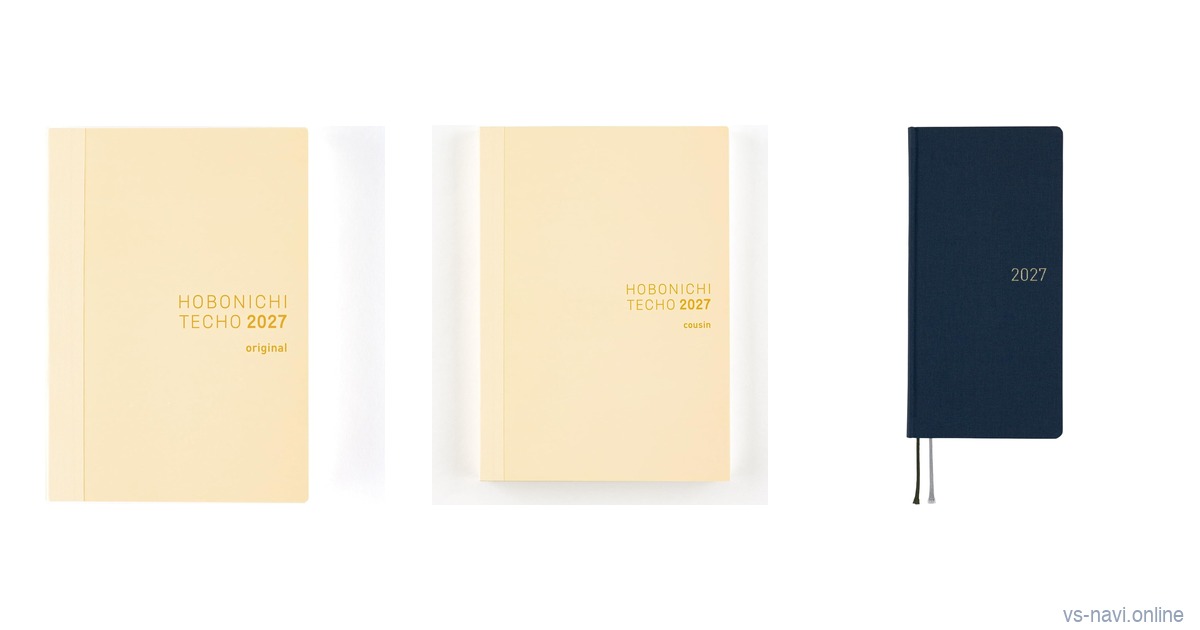
Picking a Hobonichi Techo is less about the brand and more about the edition. The same thin paper and stitched binding come in a pocket A6 book, a desk-friendly A5 book and a slim weekly planner.
Each one changes how you use it. A full page a day invites journaling and clippings. A week on one page turns it into a schedule you can carry in a jacket.
We compared the three main English editions of the 2027 Hobonichi Techo listed on Amazon.com in November 2026: the Original Book (A6), the Cousin Book (A5) and the Weeks in Midnight Blue. This is a desk comparison of the official listings and public ratings.
Our Picks: Which Hobonichi for Which Planner
- For a daily journal you can carry: Original (A6). One page per day in a 148 x 105 mm book of about 195 g.
- For journaling with a weekly view: Cousin (A5). Daily pages plus weekly pages in one 544-page book.
- For a pocket schedule: Weeks. A slim 188 x 94 mm weekly planner with a graph memo page beside each week and 75 extra memo pages.
Check price on Amazon →Amazon affiliate link
What the Three Editions Share
All three are made by Hobonichi Co., Ltd., the company behind the Japanese web magazine Hobonichi. The listings say the Techo debuted in Japan in 2002 and now sells over one million copies a year.
The paper is Tomoe River, a thin, smooth paper that lets a thick book stay light. The pages are thread-stitched, which the listings say lets the book open 180 degrees and lie flat without holding it down.
Every edition uses a fine graph grid instead of lines and each one prints a quote from the Hobonichi web magazine on its pages. The English editions here start in January with Monday as the first day of the week.
If you are still deciding between Hobonichi and other Japanese planners, our Hobonichi vs Midori vs Stalogy comparison covers that question. This guide assumes you have chosen Hobonichi and need the right edition.
Hobonichi Techo 2027 Original (A6)
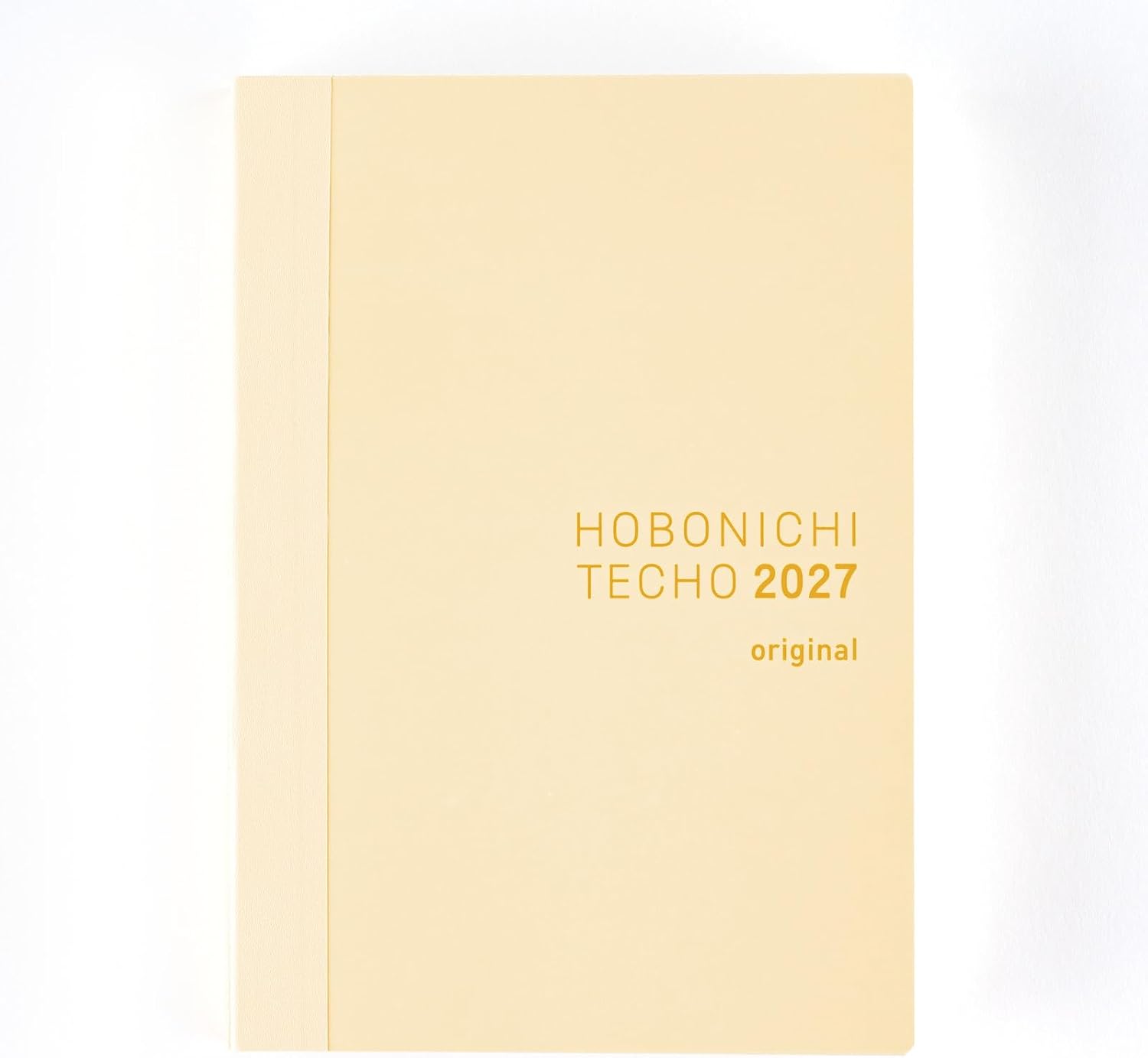
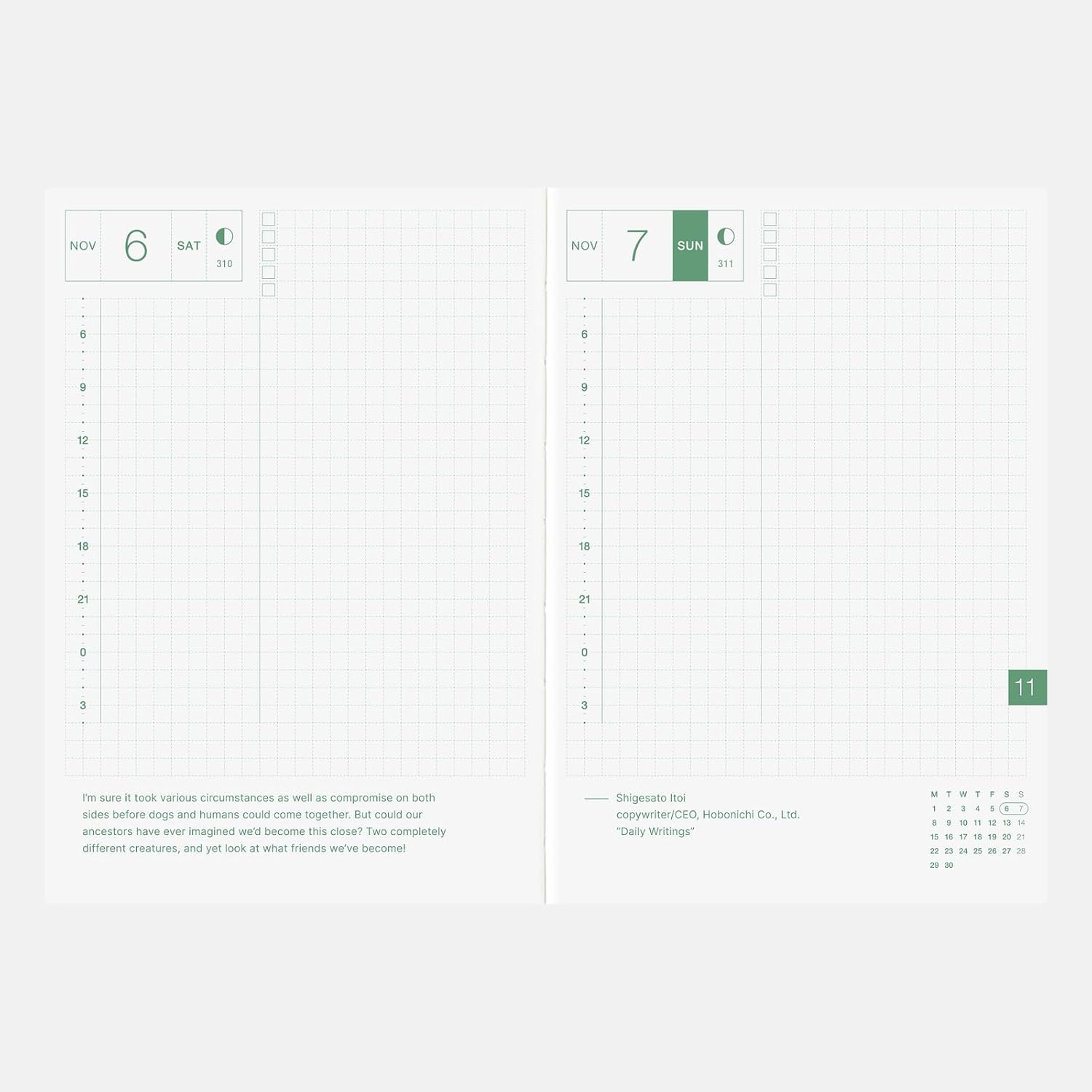
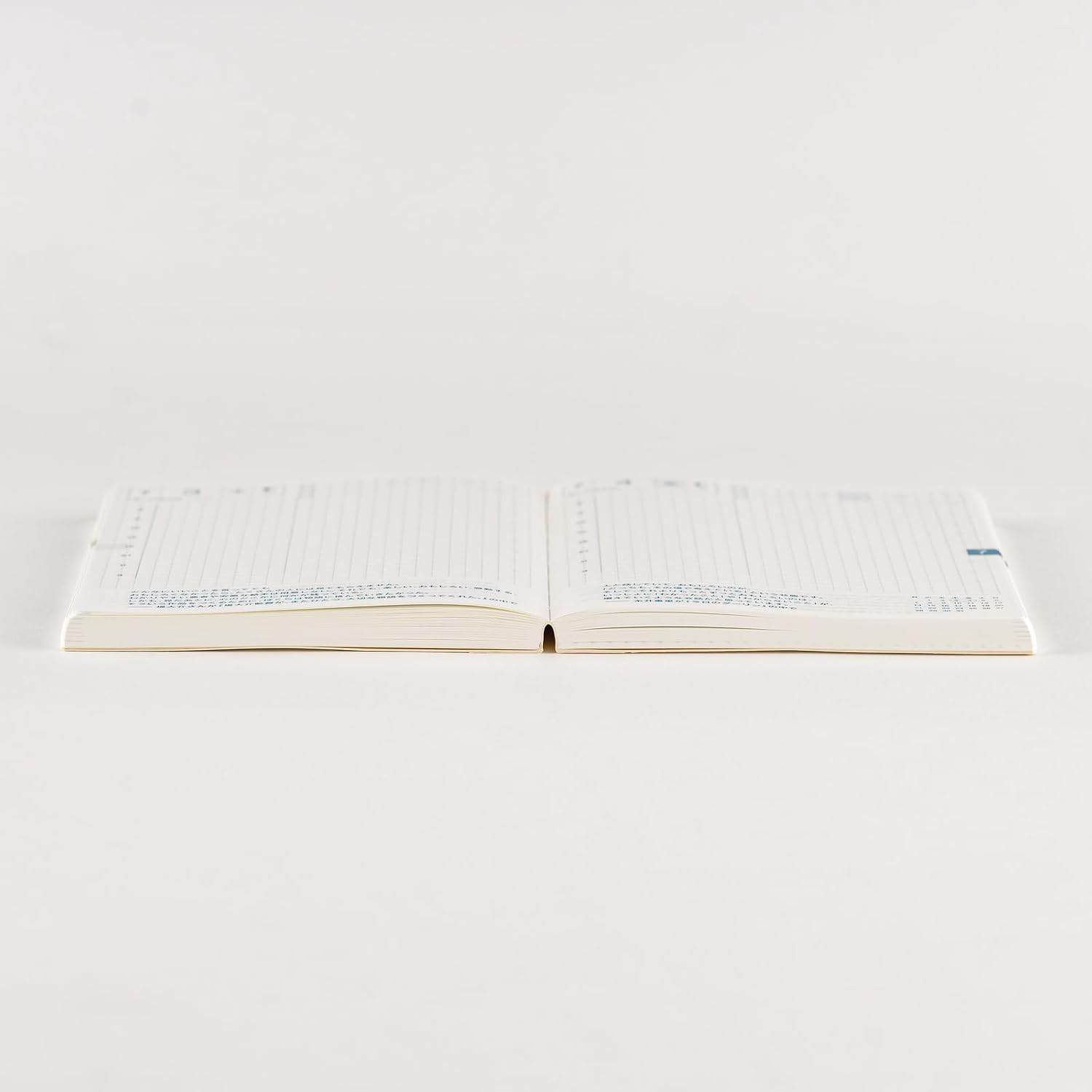
The Original is the edition the Hobonichi name was built on. The listing gives 464 pages at 148 x 105 x 15 mm and about 195 g, small enough for a bag or a large pocket.
Inside are 377 daily pages for January 1 to December 31, 2027, monthly calendars from December 2026 to March 2028, yearly calendars and 17 memo pages. The grid is 3.7 mm on the daily pages. The listing notes that weekly pages are not included.
It held 4.6 out of 5 from about 90 ratings and was sold by Hobonichi’s own official store on Amazon.com when we checked. Amazon’s AI summary of reviews says customers like its quality and appearance and find the size easy to carry everywhere.
The downside is space. An A6 page is small for long entries, ticket stubs or wide sketches and there is no weekly overview to plan the days ahead.
It suits people who write a few lines a day and want the planner with them at all times.
Check price on Amazon →Amazon affiliate link
Hobonichi Techo 2027 Cousin (A5)
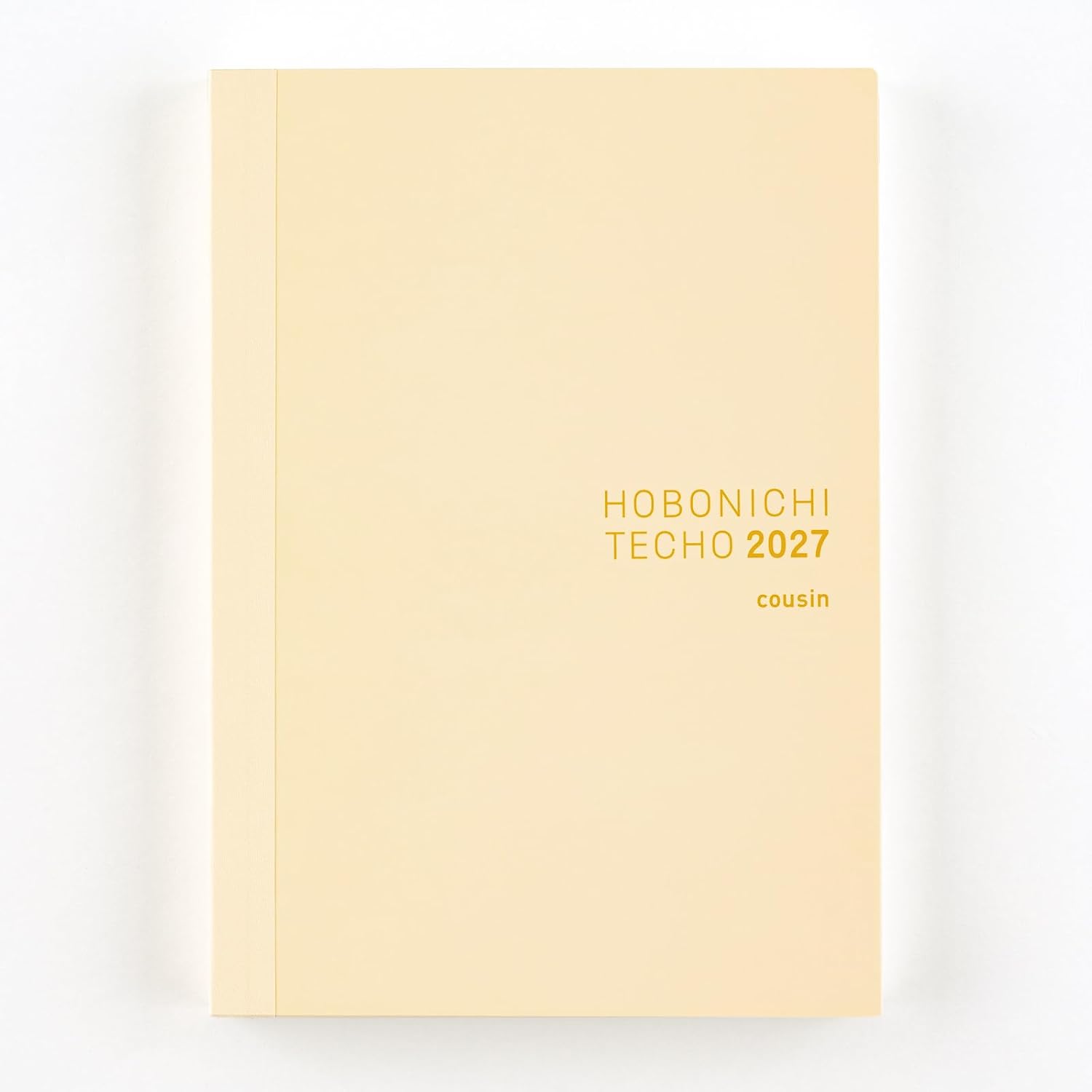
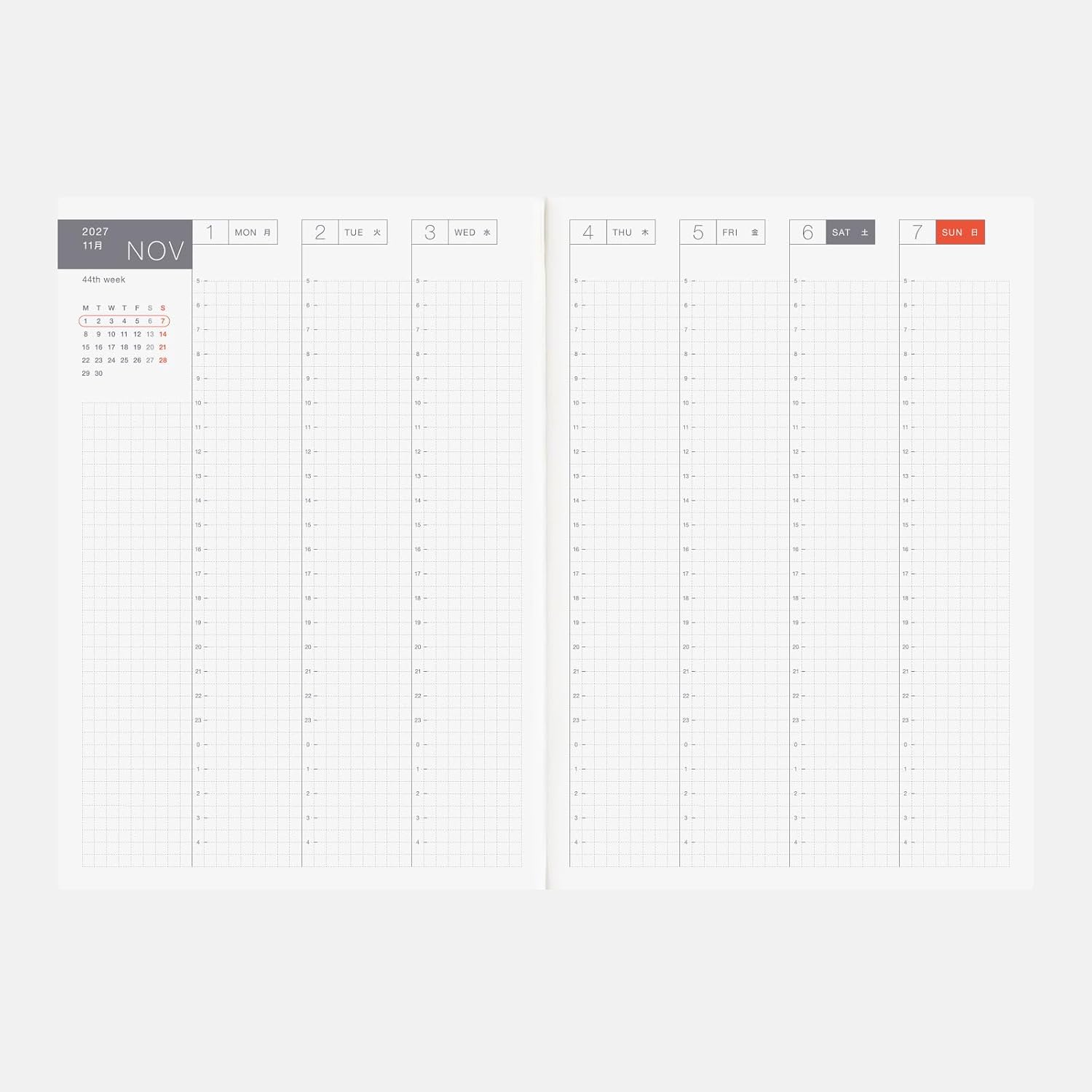
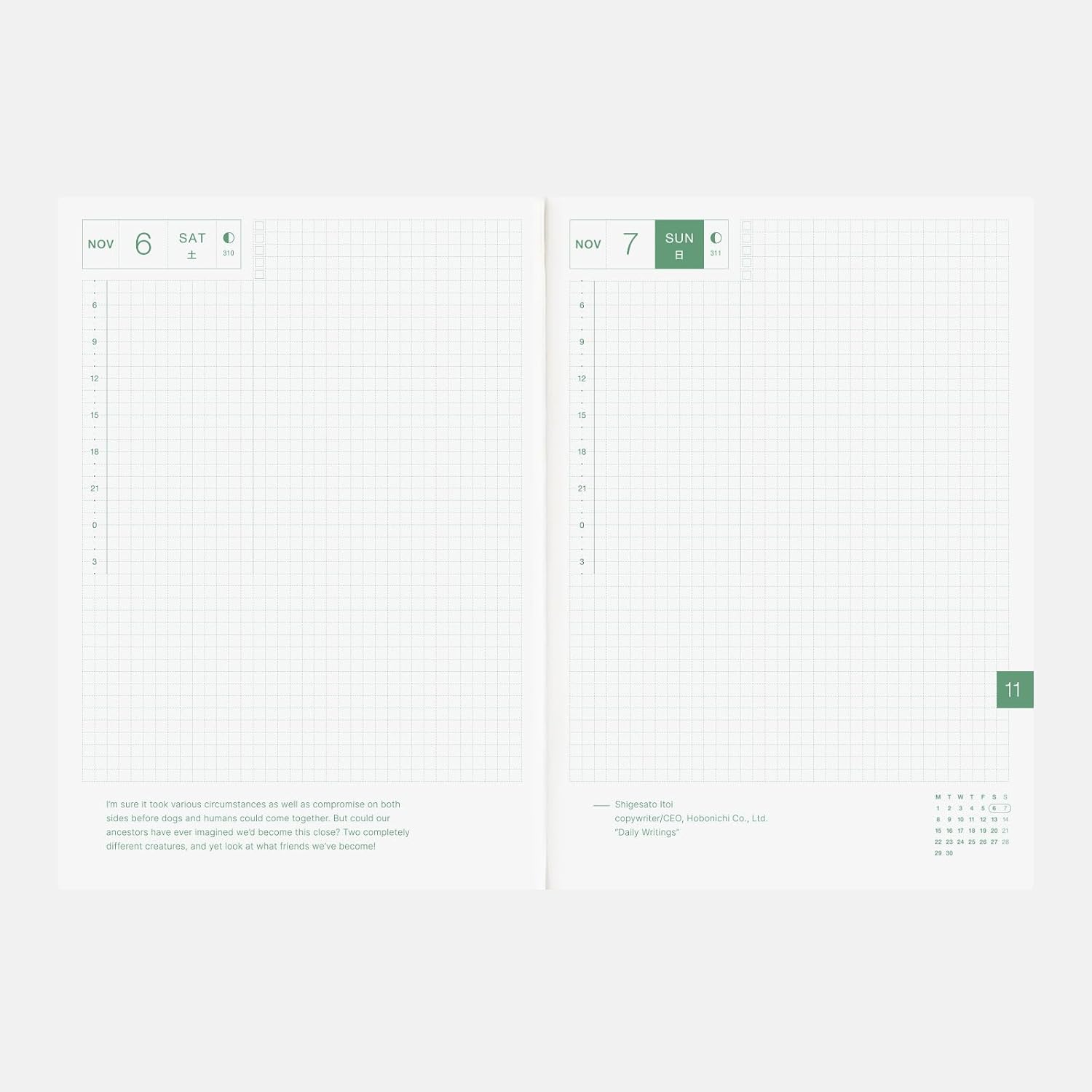
The Cousin is the A5 version of the daily planner with one important addition: weekly pages. The listing gives 544 pages at 210 x 148 x 18 mm and about 445 g.
That breaks down into 377 daily pages, 106 weekly pages from December 28, 2026 to January 2, 2028, 32 pages of monthly calendars, a yearly index and 6 memo pages. The grid is the same 3.7 mm as the Original.
It held 4.8 out of 5 from about 170 ratings, again sold by Hobonichi’s official store. Amazon’s AI summary says customers love the paper quality and the all-in-one design, with plenty of writing space and one buyer noting it works well for stickers and photos.
The downside is weight and size. At about 445 g it is more than twice the weight of the Original, which makes it more of a desk book than a pocket one.
It suits journalers who paste in photos and tickets and anyone who wants both a weekly plan and a daily page in one book.
Check price on Amazon →Amazon affiliate link
Hobonichi Techo 2027 Weeks
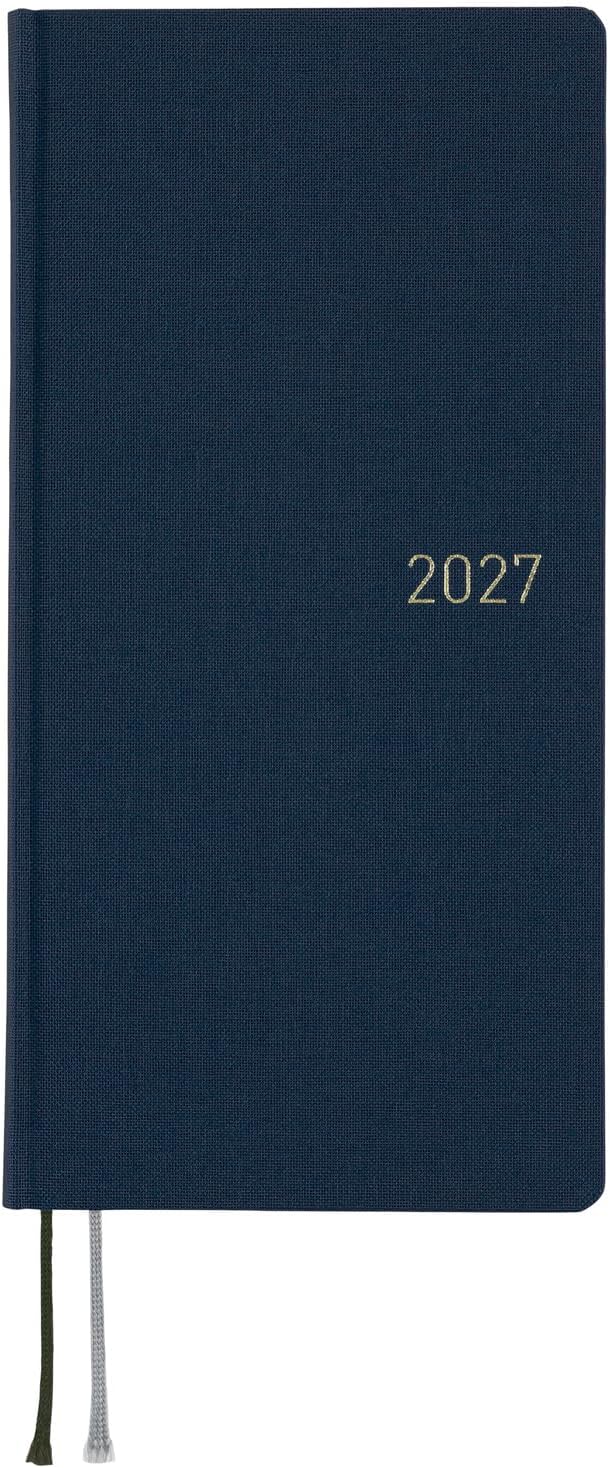
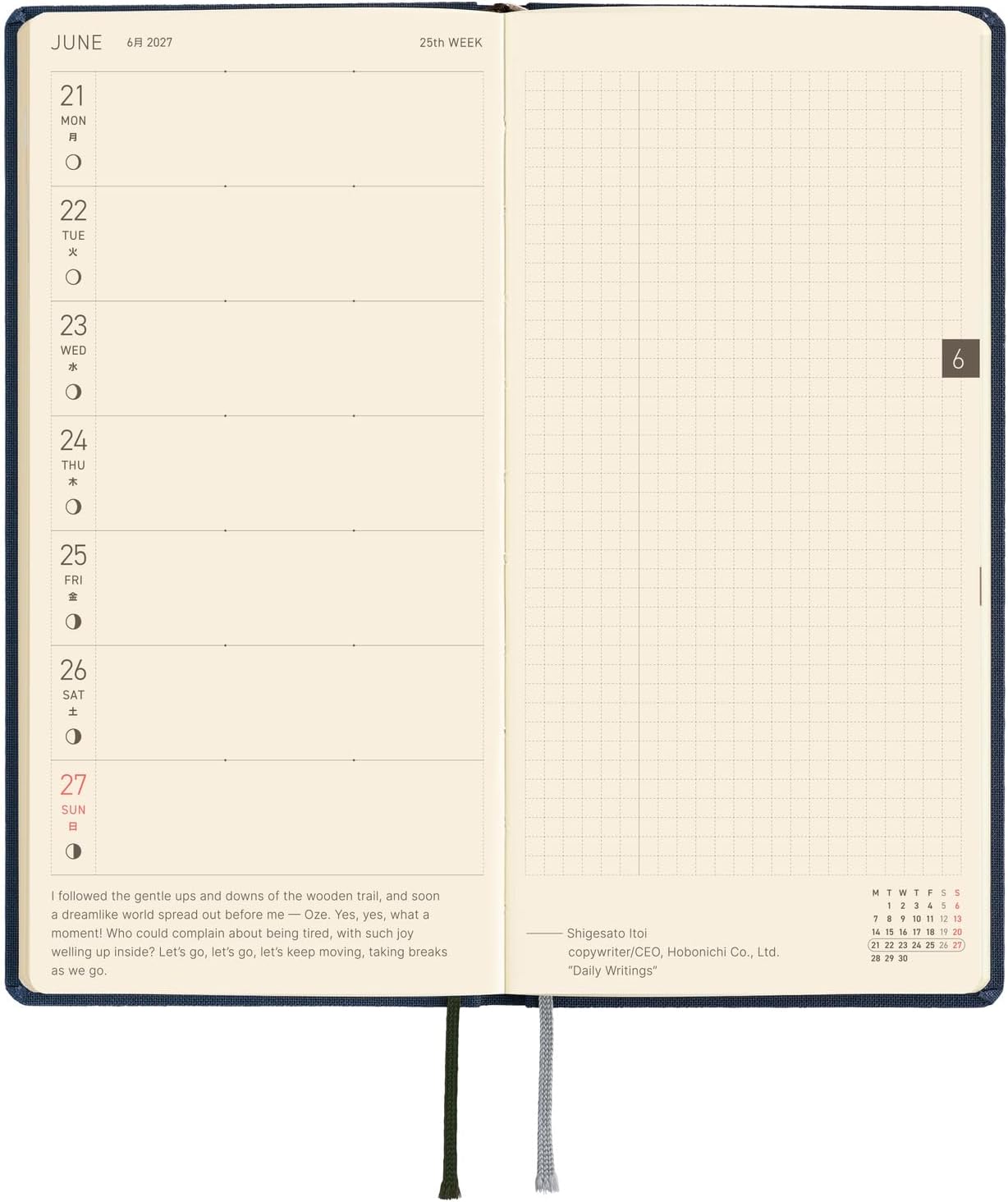
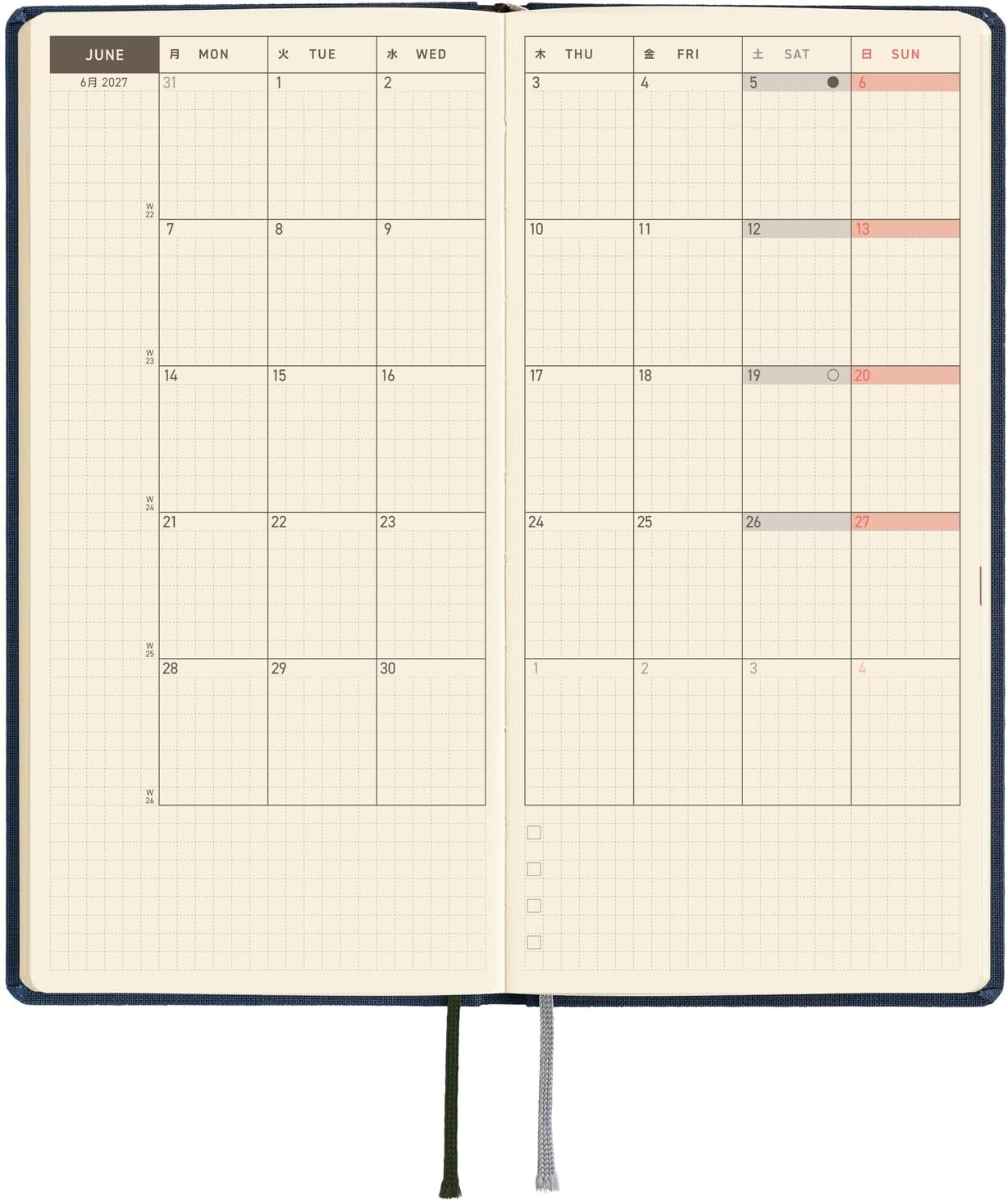
The Weeks is a different kind of planner. It is a tall, slim weekly book at 188 x 94 x 10 mm and about 134 g, with a soft, flexible hardcover already attached.
Each spread puts the week on the left page and blank graph paper on the right. The listing gives 240 pages with 114 pages of weekly layout, 32 pages of monthly calendars and 75 graph memo pages. Its grid is slightly finer at 3.55 mm.
This Midnight Blue edition from the Colors series held 5.0 out of 5 from about 20 ratings when we checked. That is a very small record, so treat it as an early signal rather than a settled score.
The downside is the lack of daily pages. If you want to journal at length, a week on half a spread will feel tight.
It suits people who mainly need a schedule, carry their planner in a pocket and keep a separate notebook for longer writing.
Check price on Amazon →Amazon affiliate link
Compare the Three
| Original (A6) | Cousin (A5) | Weeks | |
|---|---|---|---|
| Size (H x W x T) | 148 x 105 x 15 mm | 210 x 148 x 18 mm | 188 x 94 x 10 mm |
| Weight (approx.) | 195 g | 445 g | 134 g |
| Pages | 464 | 544 | 240 |
| Daily pages | 377 | 377 | None |
| Weekly pages | None | 106 | 114 (week + memo spread) |
| Memo pages | 17 | 6 | 75 |
| Grid | 3.7 mm | 3.7 mm | 3.55 mm |
| Cover | Book only | Book only | Hardcover attached |
| Amazon rating | 4.6 (about 90) | 4.8 (about 170) | 5.0 (about 20) |
For a daily journal you take everywhere, the Original is the pick. For the most writing space and a weekly plan in the same book, choose the Cousin.
If you mostly need to know where you have to be next Tuesday, the Weeks is the lightest and slimmest of the three.
Choosing by How You Write
A few lines a day. If you record what you ate, who you met and one thought before bed, the A6 Original page is usually enough. Its small page also makes an empty day feel less like a gap.
Long entries, art and collage. If you paste in receipts, draw or write a full page of reflection, the A5 Cousin gives you twice the area per day. The weekly pages let you plan the week in one place and keep the daily pages for writing.
Appointments first. If your planner is mainly a list of meetings, deadlines and reminders, the Weeks keeps the whole week visible at once. The graph page beside each week holds to-do lists and short notes.
Two books. Another option is to pair a Weeks for scheduling with an Original or a plain notebook for journaling. That splits the jobs but means carrying or keeping two books.
Buyer’s Considerations
Pens on thin paper. Tomoe River paper is thin, so some ink can show through. Fine gel and ballpoint pens tend to suit it best. Our Japanese gel pen comparison covers three common choices.
Covers. The Original and Cousin listings are for the Book, the planner itself. Hobonichi sells covers separately. The Weeks comes with its own cover.
Start month and language. Hobonichi sells several start months and Japanese editions. Check that the listing says English and January start if that is what you want.
Seller. All three listings were sold by Hobonichi’s official store on Amazon.com when we checked.
Prices. Prices change often and may display in another currency depending on your address, so check the listing before you buy.
Summary
The Original is the compact daily journal. The Cousin is the A5 all-in-one with daily and weekly pages.
The Weeks is the slim weekly planner with the most memo pages.
Check the current price on each Amazon.com listing before ordering.
Check price on Amazon →Amazon affiliate link
FAQ
What is the difference between the Hobonichi Original and Cousin?
Size and weekly pages. The Original is A6 with daily pages only. The Cousin is A5 with daily pages plus 106 weekly pages, according to the listings.
Does the Hobonichi Weeks have daily pages?
No. The Weeks has monthly calendars, a weekly layout on the left page with graph paper on the right and 75 memo pages.
What paper does the Hobonichi Techo use?
The listings for all three 2027 English editions name Tomoe River paper, which is thin and smooth.
Does the Hobonichi Techo lie flat?
Yes. The Original and Cousin listings describe thread-stitch binding that lets the book open 180 degrees and lie flat.
Which Hobonichi is best for beginners?
If you are unsure how much you will write, the Original is the lightest daily option and the Weeks is the lightest overall. Check price on each Amazon.com listing linked above before ordering.