This article contains affiliate links (we may earn a commission).
🇯🇵 Japan-Based Review
Editor’s Top Pick (2026 Update)
Available on Amazon US with fast Prime delivery.
Buy on Amazon →
Check price · Updated April 2026
Buying from Japan: Reader Questions
Will this product ship internationally from Amazon Japan?
Most of the Japanese-brand items featured here are also stocked on Amazon US on amazon.com, and the links above point to that storefront so international readers can buy with familiar shipping options. If you specifically want the Japanese-domestic SKU, and you are based outside Japan, Amazon Global Shipping or a forwarder like Tenso/Buyee can handle the import – just be aware of customs duties on items above roughly $200.
Are these the actual products Japanese consumers buy?
Yes. Selection prioritises models that are actually stocked in Japanese retail – Bic Camera, Yodobashi, Don Quijote, Loft and konbini chains – not just what ranks on Amazon US. Where a brand sells different model numbers in Japan vs. the US, we note that explicitly so you can pick the right SKU.
How are these reviews funded?
vs-navi.online earns affiliate commissions when readers buy through the Amazon links in our articles. The commission comes out of Amazon’s margin, so you pay the same price whether you click our link or search for the product yourself. We do not run lab tests on units; our findings reflect published manufacturer specs cross-checked against listings on Amazon.co.jp and Amazon US.
Can we trust the price information Here?
Prices on Amazon move daily, and the dollar-yen exchange rate adds another layer of variation. Treat the figures here as a snapshot at the time of writing – always click through and check the current Amazon listing for the live price before buying.
What if we want a Japanese-domestic version that is not listed?
Drop us a note via the contact form on vs-navi.online. If the model can be sourced and verified, we will consider writing it up.
Top Pick: Makita DHP484Z 18V LXT Brushless Combi (the Aichi-founded brand on every Japanese construction site). Best for European Engineering: Bosch Professional Combi (the German-engineered alternative stocked at Cainz and Komeri). Best for Heavy US Construction: DeWalt 20V MAX XR (Stanley Black and Decker’s American pro-grade challenger).
This is a desk comparison written from Japan, based on published maker specs and current listings.
Japan context: Makita was founded in Nagoya in 1915 and is the dominant professional power tool brand in Japan. You will see Makita on nearly every construction site. Japanese contractors consider it the default choice the way American contractors default to DeWalt. Bosch is viewed as imported premium. DeWalt has very limited Japan market presence.
In Japan, the construction sites tell you everything. Walk past any major building project in Tokyo, Osaka, or anywhere across the country and you will see one color of power tool more than any other: the distinctive teal-blue of Makita. Japan’s professional trades have voted with their purchasing decisions for decades, and the verdict is clear: Makita is the dominant force in Japanese professional power tools. But how does it compare to the global heavyweights — Bosch from Germany and DeWalt from the United States — and which brand should you actually buy in 2025?
This guide draws on published reviews, Japanese trade coverage and manufacturer specifications for all three brands. Here is what the public record shows.
Our Top Pick: Makita DHP484Z 18V LXT Brushless Combi Drill


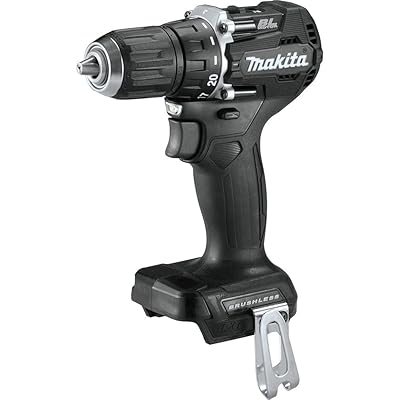
The Makita DHP484Z is the professional combi drill that Japanese contractors reach for first. In Japan, Makita’s 18V LXT battery platform is the most widely adopted professional cordless system in the market, meaning batteries and chargers are interchangeable across over 200 tools in the lineup.
Key specs (Makita DHP484Z):
- Motor: Brushless (BL Motor)
- Voltage: 18V (LXT battery platform)
- Max torque: 54Nm
- Chuck: 13mm keyless
- Speed settings: 2 (0–550 / 0–2,100 rpm)
- Weight (without battery): 1.7kg
- Impact rate: 0–31,500 BPM
- Price in Japan: ¥25,000–¥30,000 body only (~$175–$215 USD)
- Price on Amazon: ~$149–$189 (body only)
Full Comparison: Makita vs Bosch vs DeWalt 2025
| Brand / Tool | Origin | Battery Platform | Professional Reputation | Price Range (USD) | Best For |
|---|---|---|---|---|---|
| Makita 18V LXT Series | Japan (Anjo, Aichi) | LXT 18V (200+ tools) | 5/5 | $100–$400+ | Professional trades, battery ecosystem |
| Bosch Professional 18V | Germany | ProCORE 18V | 5/5 | $120–$450+ | Precision work, European trades |
| DeWalt 20V MAX XR | USA | 20V MAX (250+ tools) | 4/5 | $100–$400+ | Heavy construction, North American trades |
| Makita 40V XGT Series | Japan | XGT 40V | 5/5 | $200–$600+ | High-demand professional applications |
| Hikoki (Hitachi) 18V | Japan | MultiVolt 18/36V | 4/5 | $120–$380+ | Versatile professional, MultiVolt advantage |
| Bosch Blue 18V | Germany | ProCORE 18V | 5/5 | $130–$400+ | Woodworking, precision applications |
Brand in Japan: Makita (founded Aichi prefecture 1915) is Japan’s dominant power-tool maker and the brand you see on every Japanese construction site – 18V LXT cordless tools are the de facto standard among Japanese carpenters. Bosch is the European engineering counterweight and is stocked at every Japanese hardware chain like Cainz and Komeri. DeWalt (Stanley Black and Decker, US) has a smaller footprint in Japan, mostly imported through Amazon.co.jp and specialty pro shops. Japanese pros treat power tools as 10+ year investments and overwhelmingly stay within one brand’s battery ecosystem – typical bare-tool pricing 8,000-30,000 yen.
Why Makita Dominates Japan and the Asia-Pacific Market
Makita was founded in 1915 in Anjo City, Aichi Prefecture — the same industrial heartland that gave the world Toyota. That geographic and cultural context matters: Makita emerged from a region that takes manufacturing quality with absolute seriousness, and that culture is embedded in how the company designs, tests, and builds its tools.
Japanese carpenters and contractors give consistent reasons for their Makita loyalty in published trade coverage. First, the battery ecosystem: Makita’s 18V LXT platform has more compatible tools than any competing system in Japan, meaning a contractor who starts with one Makita drill can add circular saws, reciprocating saws, angle grinders, flashlights, and radios — all running on the same batteries. Second, service availability: Makita’s repair and service network in Japan is extensive, with authorized service centers in every prefecture. Third, and perhaps most importantly: the tools simply do not fail. Japanese construction professionals operate on tight schedules where a broken tool means lost work time, and Makita’s reliability record over decades has earned a loyalty that is almost impossible to dislodge.
Quick reference
Need a fast decision? The Makita DHP484Z (see comparison above) is the model we keep recommending to readers who want a balanced, no-regret pick from this comparison.
View on Amazon →
· Check price for the latest 2026 promotions
Bosch: The European Engineer’s Choice


Bosch Professional (the blue Bosch tools — distinct from the green Bosch DIY line) is Makita’s most credible global competitor. In Germany, the UK, and across continental Europe, Bosch Professional holds the dominant market position that Makita holds in Asia-Pacific. The Bosch GSB 18V-55 combi drill’s adjustable clutch is the feature to look at for cabinetry and finish work, where overtightening is a real risk.
Bosch’s ProCORE battery technology, introduced in 2020, uses a higher-capacity cell format that delivers longer run times and better performance in high-demand applications. Japanese construction workers who have used Bosch abroad tend to describe it respectfully — it is clearly a professional-grade tool — but note that the service network and parts availability in Japan are inferior to Makita’s local dominance.
DeWalt: Built for Heavy American Construction


DeWalt is less common on Japanese job sites than either Makita or Bosch, but it commands strong respect for its raw power and durability in high-impact applications. The DeWalt 20V MAX XR brushless line is engineered around the demands of American heavy construction — concrete framing, residential rough carpentry, and industrial maintenance — where sheer torque output often matters more than fine-tuned ergonomics.
DeWalt tools do tend to run slightly heavier than comparable Makita models — a real consideration for tradespeople who carry tools all day. The 20V MAX platform is also enormous in terms of compatible tool count, rivaling Makita’s LXT ecosystem in breadth.
Which Brand Should You Choose in 2025?
- You are in Japan or Asia-Pacific: Makita, without hesitation. The service network, battery ecosystem, and tool availability make it the only sensible choice for professional use.
- You are in Europe and prioritize precision work: Bosch Professional. The engineering quality and service network in Europe are exceptional.
- You are in North America doing heavy construction: DeWalt 20V MAX XR or Makita 18V LXT — both are excellent; choose based on what your colleagues use (battery compatibility matters).
- You are a serious DIY user anywhere in the world: Makita 18V LXT entry kit. The quality exceeds most DIY needs and the resale value is strong.
Frequently Asked Questions
Are Makita tools actually made in Japan?
Makita manufactures tools in Japan (Anjo factory), as well as in China, Romania, the United Kingdom, Brazil, and the United States. Higher-end and certain professional models are still manufactured in Japan. The “Made in Japan” designation on a Makita tool is considered a quality indicator by Japanese trades, though the brand maintains consistent quality standards across its international manufacturing facilities.
Is Makita 18V compatible with older Makita batteries?
Makita’s 18V LXT platform has maintained backward compatibility since its introduction in 2005 — a remarkable 20-year battery platform consistency. This means batteries purchased today work with tools from 2005 and vice versa (with some performance limitations on very old cells). This long-term compatibility is a major reason Japanese contractors invest in Makita: the platform investment holds its value over time.
Why does Makita use teal/blue color while DeWalt uses yellow?
Tool brand colors are purely marketing and brand identity decisions. Makita’s teal-blue has been consistent since the 1970s and is now so associated with professional tools in Japan and Australia that it has become a cultural shorthand — “the blue tools” means Makita without further clarification on any Japanese job site.
Should we buy Makita tools in Japan to save money?
Potentially yes. Makita tools purchased in Japan are subject to Japanese voltage specifications (100V for corded tools) which are incompatible with most other countries’ electrical standards. However, cordless tools (battery-powered) work globally regardless of purchase country. Tax-free purchasing for foreign visitors saves 10% at authorized retailers, and Japanese pricing on Makita tools can be competitive with or cheaper than US/European pricing depending on current exchange rates.
See full comparison above
Deeper Comparison: Makita vs Bosch vs DeWalt in Japan
Battery Platform Strategy
Makita’s LXT 18 V system has the broadest tool catalog in Japan with over 320 tools sharing one battery format. Bosch’s ProCORE 18 V matches it in industrial markets but offers fewer than half the tool variety inside Japan, where their consumer 12 V GBA platform is more common. DeWalt’s 20 V MAX (sold as 18 V XR in Japan) has a respectable 200+ tool catalog but pricing in Japan runs 25 % higher than Makita due to import margins.
Use Cases: Picking the Right Brand for Your Work
- Japanese residential carpentry: Makita LXT 18 V — widest tool variety, lightest combo, dominant in Japanese trade schools.
- Heavy commercial construction: Bosch ProCORE 18 V or DeWalt FlexVolt 60 V — superior runtime under sustained heavy load.
- Hobbyist garage workshops in Japan: Makita 18 V combo kit — better resale value on Yahoo Auction Japan.
- US woodworkers who want Japanese precision: DeWalt is the easier service network in the US; Makita is the better tool but service is sparse outside major cities.
- Boat builders and harbor maintenance crews: Bosch ProCORE for its IP68 dust and water ingress protection on the latest grinders.
Japanese Cultural Context: The Trade-School Loyalty Effect
Makita’s near-mythical status in Japanese trades originates from its Aichi Prefecture roots and decades of close collaboration with vocational training schools (Kosen and senshu-gakko). Generations of apprentices learned on Makita tools, and the brand color — the distinctive teal blue — is now visual shorthand for ‘professional carpenter’ in Japan. Bosch enjoys industrial respect through its long history with German automotive manufacturing transferred to Japanese auto plants. DeWalt is perceived as the ‘American import’ with the highest torque numbers but slower service. Each brand carries a clear cultural signal that dictates which trades, regions, and generations gravitate toward it.
Frequently Asked Questions for International Buyers
Q. Are Japanese-domestic Makita 18 V tools compatible with US batteries? Yes. The LXT battery format is identical worldwide, but the charger must match the local voltage (100 V Japan, 120 V US, 240 V EU).
Q. Where can we buy Makita combo kits in the US? Amazon US carries the XT505-R 5-tool combo at around $499. Home Depot stocks the same kit. The Japan-domestic equivalents from Yodobashi can be 15-20 % cheaper but require voltage conversion.
Q. Which brand has the best warranty in Japan? Makita offers 3-year free repair on brushless motor tools registered through their official site. Bosch offers 3 years; DeWalt offers 3 years for the body and 2 years for batteries.
Q. Are there counterfeit Makita batteries to avoid? Yes — especially yellow-labeled 18 V packs sold under generic listings on Amazon. Genuine Makita LXT batteries always carry a hologram serial sticker registered in the official Makita-app database.
Ready to Buy?
If you have made it this far in our 2026 review, you have done your homework. Our final recommendation remains the Makita DHP484Z (see comparison above). Available on Amazon with Prime shipping to the United States and most international destinations.
See full comparison above
See price · Available on Amazon US
You Might Also Like
References
- Makita Corporation – Company Profile – Makita official, accessed May 2026