This article contains affiliate links (we may earn a commission).
Pour 70°C water over good sencha and wait thirty seconds: the leaves unfurl, the liquor turns a pale jade and the steam smells of fresh grass and sweet seaweed. That moment is what you are actually shopping for.
Japan context: Japan has a tea hierarchy: loose-leaf gyokuro at the top, premium sencha in the middle, everyday bancha and houjicha at the bottom. Ito En is Japan’s largest tea company, comparable to Lipton in the US. What is sold internationally is often export-grade; the highest quality teas rarely leave Japan.
Green tea is not a beverage in Japan. It is a daily ritual, a cultural institution, and — for an increasing number of people globally — a health practice backed by decades of research. The Japanese market covers the full spectrum: from the ¥200 supermarket gyokuro that outperforms most Western premium teas, to single-origin first-flush shincha from Uji that costs ¥5,000 for 50g and tastes like drinking spring sunlight.
In 2025, the three brands that overseas buyers most frequently ask about are Ito En, Yamamotoyama, and Harney & Sons. The first two are Japanese; the third is an American specialty tea company with a serious Japanese green tea lineup. All three are readily available on Amazon. Here is how they compare — and which one deserves a place in your kitchen.
⭐ Our Top Pick
Ito En Oi Ocha Premium Matcha Green Tea Bags (50-count) — Best value for everyday authentic Japanese green tea flavor. Check the latest price before it changes.
▶ Check Price on Amazon →
Our Top Pick: Ito En Oi Ocha Premium Matcha Green Tea
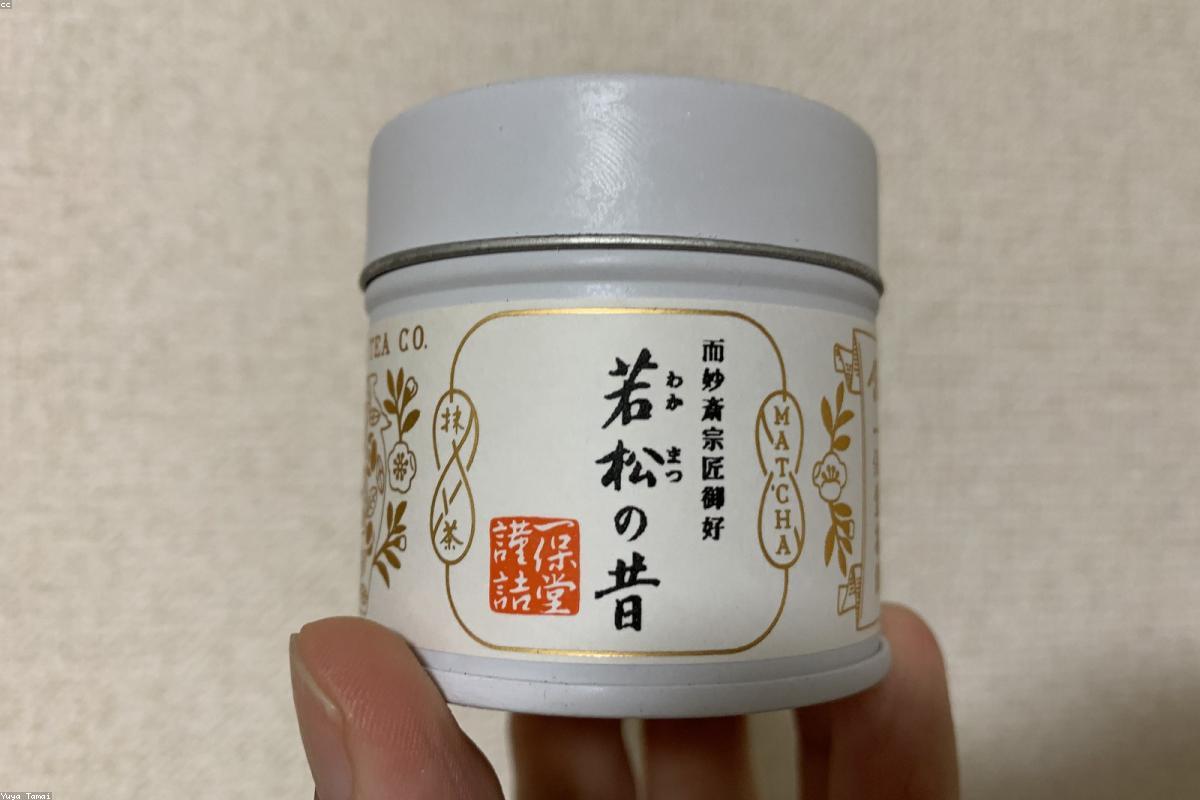
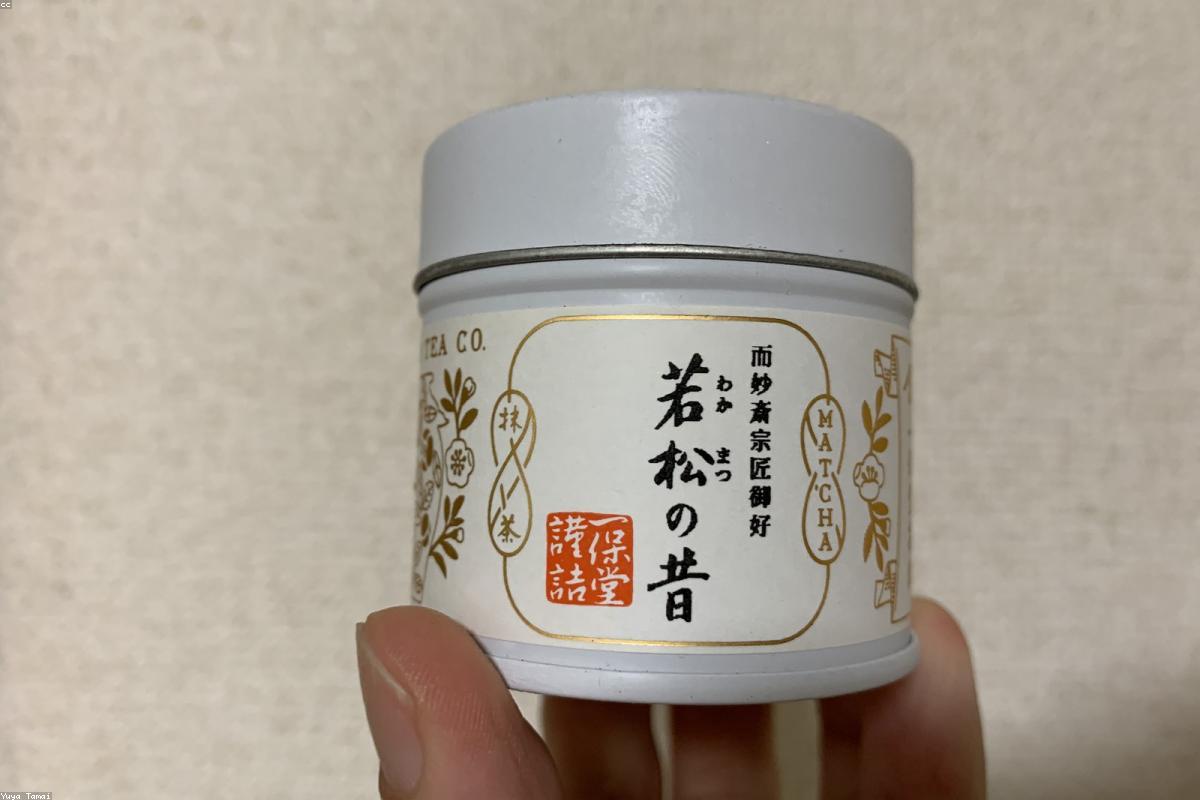
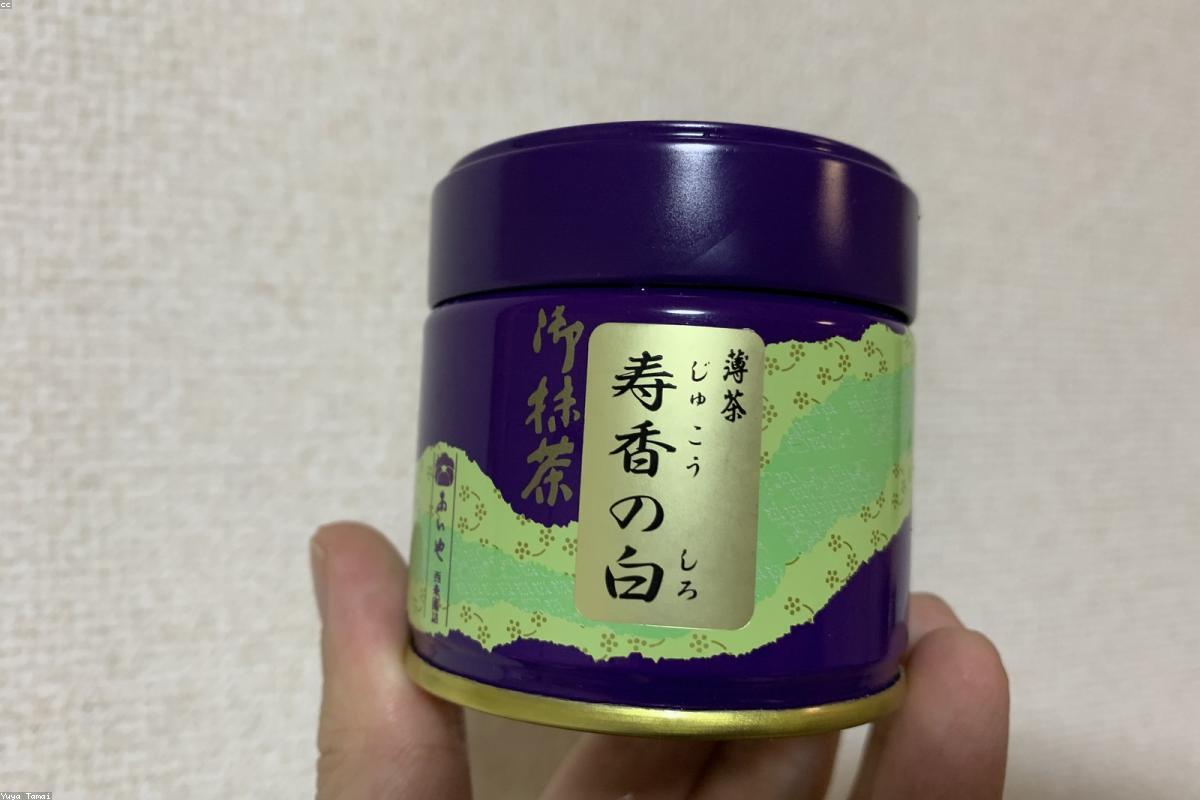
Ito En is Japan’s largest green tea company and the brand that most Japanese people think of first when the category is mentioned. The company pioneered canned green tea in 1985 — you have almost certainly seen their tall green cans in Japanese vending machines — and has been applying the same commitment to quality to its bagged and loose-leaf retail products for decades.
Oi Ocha Premium Matcha Green Tea bags work both cold-brewed overnight in the refrigerator (a popular Japanese method in summer) and hot-brewed at 70°C for 30 seconds (the standard Japanese method for high-quality sencha blends). The flavor is clean, slightly sweet, with a gentle umami finish and none of the bitterness that lower-grade green teas develop when over-steeped.
Key specs (Ito En Oi Ocha Premium Matcha Green Tea Bags):
- Tea type: Sencha with matcha blend
- Origin: Japan (Shizuoka and Kagoshima primary sources)
- Count: 50 tea bags per box
- Recommended brew temperature: 70–80°C (hot); cold brew 8–12 hours
- Caffeine: approximately 30–40mg per 8oz cup
- Price in Japan: ¥600–¥800 for 50 bags (~$4–$6 USD)
- Price on Amazon: ~$8–$12 for 50 bags
- Certifications: Non-GMO; no artificial flavors or colors
Full Comparison: Best Japanese Green Tea Brands 2025
| Product | Brand | Tea Type | Price (USD) | Flavor Profile | Best For |
|---|---|---|---|---|---|
| Ito En Oi Ocha Premium Matcha (50ct) | Ito En (Japan) | Sencha + matcha blend | ~$8–$12 | Clean, umami, mildly sweet | Everyday drinking, versatile |
| Yamamotoyama Sencha (loose, 100g) | Yamamotoyama (Japan) | Sencha (loose leaf) | ~$10–$15 | Grassy, bright, traditional | Traditional brewing, loose-leaf preference |
| Harney & Sons Japanese Sencha | Harney & Sons (USA) | Sencha (bags) | ~$10–$14 | Vegetal, light, approachable | Green tea newcomers, gift giving |
| Ito En Matcha Love Ceremonial Grade | Ito En (Japan) | Matcha (powdered) | ~$18–$25 | Rich, creamy, deep umami | Matcha lattes, traditional ceremony |
| Yamamotoyama Gyokuro (loose, 50g) | Yamamotoyama (Japan) | Gyokuro (shade-grown) | ~$18–$25 | Intense umami, sweet, complex | Connoisseurs, premium experience |
| Harney & Sons Gyokuro Imperial | Harney & Sons (USA) | Gyokuro (loose) | ~$20–$28 | Deep, savory, elegant | Premium gifting, serious tea drinkers |
Our pick: Ito En Oi Ocha Matcha Green Tea
Brand in Japan: Ito En (founded Shizuoka 1966) is Japan’s largest green-tea company and operates the iconic Oi Ocha bottled-tea brand seen in every vending machine nationwide. Yamamotoyama (founded Edo/Tokyo 1690) is one of the oldest continuously-operating tea houses in Japan and the premium gift choice – their tin canisters are a standard ochugen and oseibo present. Harney and Sons is American but stocked at Sazaby League stores (Afternoon Tea, etc.) and treated by Japanese tea drinkers as a respectable foreign-curated alternative. Loose-leaf sencha pricing here ranges 1,000-5,000 yen per 100g; bottled tea 100-200 yen.
Ito En: Japan’s Green Tea Authority


In Japan, Ito En’s dominance in the green tea category is so complete that the brand is sometimes used interchangeably with the category itself — the way “Hoover” became synonymous with vacuum cleaners in the UK. The company sources tea from all of Japan’s major growing regions (Shizuoka, Kagoshima, Kyoto/Uji, and others) and blends them for consistent flavor across seasons — a significant technical challenge given that tea harvests vary year to year with weather conditions.
What stands out most about Ito En as a daily tea is its consistency. Buy the Oi Ocha Premium bags for years running and every box tastes the same — clean, balanced, and satisfying. In Japan, consistency is a core value in food and beverage manufacturing, and Ito En’s blending expertise reflects that value. The company publishes detailed sourcing information and maintains strong relationships with Japanese tea farmers, including programs to support traditional cultivation methods in aging farming communities.
Ito En also makes ceremonial-grade matcha under the Matcha Love sub-brand, which is the product we recommend to anyone who wants to make matcha lattes at home. At $18–$25 for 30g, it is priced accessibly for the quality level and produces a vivid green color with the rich, grassy-sweet flavor that distinguishes ceremonial matcha from culinary-grade powder.
Yamamotoyama: Tradition Since 1690


Yamamotoyama (Yamamotoyama) was founded in Nihonbashi, Tokyo in 1690 — making it one of the oldest tea companies in Japan and one of the oldest continuously operating food businesses in the world. In Japan, this heritage carries genuine meaning: when Japanese consumers buy Yamamotoyama, they are buying into a lineage of tea expertise that predates the Meiji Restoration by nearly two centuries.
The brand’s strength is its loose-leaf teas, particularly the Gyokuro (gyokuro) and premium Sencha. Gyokuro is Japan’s most prized green tea variety — shade-grown for 20+ days before harvest, which dramatically increases chlorophyll and L-theanine content, producing a tea with intense sweetness, deep umami, and very low bitterness. The standard brewing method for gyokuro is 50°C water, a 2-minute steep and 5g per 60mL; at those parameters the cup is characteristically sweet and umami-forward, with very little of the astringency associated with hotter brewing.
Japanese reviews consistently praise Yamamotoyama for quality but note that the brand’s loose-leaf products require proper brewing equipment and attention — a teapot or kyusu (急須), a thermometer or temperature-controlled kettle, and patience. For casual convenience brewing, Ito En’s tea bags are more forgiving.
⭐ Our Top Pick
Yamamotoyama Gyokuro Loose Leaf (50g) — Best value for a premium Japanese green tea experience at home. Check the latest price before it changes.
▶ Check Price on Amazon →
Harney & Sons: The American Brand That Treats Japanese Tea Seriously
Harney & Sons is not Japanese. Founded in Connecticut in 1983, it is an American specialty tea company. But it earns its place in this comparison for a specific reason: it is the brand that many overseas buyers encounter first when searching for Japanese green tea on Amazon, it has a large and loyal customer base, and its Japanese green tea products are genuinely good — particularly for people who are new to Japanese green tea and want an approachable entry point.
The Harney & Sons Japanese Sencha is well-sourced, clean-tasting, and presented beautifully (the tins and sachets make excellent gifts). However, compared to Ito En and Yamamotoyama, it sits in a slightly different position: it is Japanese green tea interpreted for Western palates and presentation standards. It is more approachable but slightly less authentic in flavor profile. For serious Japanese green tea exploration, we recommend starting with Harney & Sons and graduating to Ito En or Yamamotoyama as your palate develops.
How to Brew Japanese Green Tea Correctly
The single most important lesson from years of drinking tea in Japan: do not use boiling water. This is the most common mistake non-Japanese tea drinkers make, and it destroys the flavor of high-quality Japanese green tea by releasing bitter catechins that the delicate amino acids (L-theanine, which creates the sweet umami quality) cannot balance.
- Sencha: 70–80°C water, 1-minute steep, 1 teaspoon per cup
- Gyokuro: 50–60°C water, 90-second to 2-minute steep, 1.5 teaspoons per 60mL
- Matcha: 70–75°C water, whisk vigorously with bamboo chasen until frothy, 2g per 60mL
- Cold brew (cold tea is hugely popular in Japan in summer): Room temperature to cold water, 8–12 hours in the refrigerator, 1 teaspoon per 150mL
Japanese tea drinkers use a temperature-controlled electric kettle (温度調節機能付き電気ケトル) — available from Panasonic, Tiger, and Zojirushi — to heat water to precise temperatures. This is considered standard kitchen equipment in Japan and makes a measurable difference to tea quality.
Frequently Asked Questions
What is the difference between sencha, gyokuro, and matcha?
All three are Japanese green teas made from the Camellia sinensis plant, but they differ in cultivation method and processing. Sencha is grown in full sun and is Japan’s most common green tea — grassy, bright, and slightly astringent. Gyokuro is shade-grown for 20+ days before harvest, which intensifies umami and sweetness while reducing bitterness — it is Japan’s highest-grade loose-leaf tea. Matcha is shade-grown tea that is stone-ground into fine powder after drying, resulting in a rich, creamy beverage with the highest concentration of antioxidants and caffeine of the three.
Does Japanese green tea contain caffeine?
Yes. Japanese green tea contains approximately 20–40mg of caffeine per 8oz cup for sencha, 35–50mg for gyokuro, and 50–70mg for matcha (using standard amounts). This is significantly less than coffee (~95mg) and black tea (~45mg on average), but meaningful enough that caffeine-sensitive individuals should moderate intake. L-theanine, present in high concentrations in Japanese green tea (particularly gyokuro and matcha), modifies caffeine’s effect, producing calm alertness rather than jittery stimulation — a well-documented phenomenon that Japanese tea culture understood intuitively long before neuroscience confirmed it.
Is Japanese green tea good for health?
The health research on Japanese green tea — particularly matcha and gyokuro — is extensive and generally positive. Studies published in 2024 and 2025 continue to support associations between regular green tea consumption and reduced risk of cardiovascular disease, improved metabolic markers, and neuroprotective effects. The combination of EGCG (epigallocatechin gallate), L-theanine, and other polyphenols in Japanese green tea represents one of the most well-studied plant-based health compounds. However, green tea is a complementary health practice, not a medicine, and should be understood as part of a broader healthy lifestyle.
How should I store Japanese green tea?
Japanese green tea is highly sensitive to light, air, moisture, and heat — all four degrade flavor rapidly. Store in an airtight, opaque container away from sunlight and heat sources. Refrigeration is appropriate for sealed, unopened packages of premium sencha and gyokuro; once opened, store at room temperature in an airtight tin and use within 2–4 weeks for best flavor. Matcha powder is particularly vulnerable to oxidation — store in the freezer in an airtight container and use within one month of opening.
Final Recommendation
A practical Japanese green tea shelf covers three roles: Ito En Oi Ocha bags for everyday quick brewing, a canister of Yamamotoyama or similar loose-leaf sencha for weekend brewing with a proper kyusu, and Ito En or Marukyu-Koyamaen ceremonial matcha for matcha preparation. If you are starting your Japanese green tea journey and can only buy one product, make it the Ito En Oi Ocha Premium — it is the most accessible, most consistent, and most authentically Japanese green tea experience available outside Japan.
⭐ Our Top Pick
Ito En Oi Ocha Premium Matcha Green Tea Bags 50-count — Japan’s most trusted green tea brand. The authentic daily cup, delivered to your door. Check today’s price.
▶ Check Price on Amazon →
Green Tea Spec Comparison
Here is a spec sheet to help choose what to brew on a given afternoon.
| Brand / Product | Type | Origin | Caffeine | L-Theanine | US Price |
|---|---|---|---|---|---|
| Ito En Oi Ocha Premium Matcha Green Tea (bagged) | Sencha + matcha blend | Shizuoka | ~25 mg / cup | ~10 mg | $8 / 50 bags |
| Yamamotoyama Sencha Loose Leaf | Sencha | Shizuoka / Kyushu blend | ~30 mg / cup | ~12 mg | $12 / 100g |
| Harney & Sons Japanese Sencha | Sencha | Shizuoka (sourced) | ~28 mg / cup | ~11 mg | $15 / 100g |
| Ippodo Ikuyo Matcha (ceremonial) | Matcha (powder) | Uji, Kyoto | ~70 mg / serving | ~30 mg | $32 / 40g |
The L-theanine number is what most casual drinkers do not know about. L-theanine is the amino acid that gives Japanese green tea its calming, focused effect — it counteracts the caffeine spike. Shade-grown teas (matcha, gyokuro) have far more L-theanine than sun-grown sencha, which is why a bowl of matcha feels different from coffee even at similar caffeine.
Editor’s pick: Buy Ito En Oi Ocha Premium Matcha Green Tea on Amazon (US) — the bag-format gateway to authentic Japanese sencha at supermarket prices.
Which Green Tea for Which Moment
For your morning replacement-for-coffee
Yamamotoyama Sencha loose leaf, 80 C water, 60 second steep. Higher caffeine than bagged, full sencha flavor. Cleaner energy than coffee, no afternoon crash. Check the latest price on Amazon.
For an afternoon focus session at the desk
Ippodo Ikuyo matcha, whisked thin (usucha style). The L-theanine to caffeine ratio is ideal for 2-3 hours of deep work. About 250 yen per serving in Japan. Japan-domestic — order direct from Ippodo or pick up in Kyoto.
Whisking thin tea well depends as much on the chasen as on the powder: an 80-prong whisk foams a casual bowl fine, while the 100- and 120-prong bamboo whisks from Nara and Kanazawa are what produce the fine, silky foam Japanese tea drinkers expect. See our Japanese matcha whisk comparison before you buy one.
For drinking with food at lunch
Ito En Oi Ocha bagged. Friendly, easy, mass-market. The matcha addition gives it a slight body that pairs with bento or onigiri better than plain sencha. Standard at every Japanese 7-Eleven.
The rice under that onigiri is its own decision in Japan, where a clay donabe is still the pot many households trust for it. Our comparison of Ginpo vs Banko donabe clay rice pots covers the two makers most available in the US.
For a guest who is new to Japanese tea
Harney & Sons Japanese Sencha. The presentation (silken sachets, branded tin) helps American or European guests take it seriously. Quality is real — Harney sources from a Shizuoka cooperative directly.
For iced tea in summer
Ito En Oi Ocha cold-brew bags. Drop a bag in cold water in the fridge overnight, no bitterness. Or buy the ready-to-drink Oi Ocha bottles at any US Japanese grocery (Mitsuwa, Marukai, Nijiya).
Storing Green Tea So It Stays Green
Japanese green tea is fragile. The chlorophyll oxidizes within weeks of opening a package, turning the bright grassy aroma into a flat hay-like smell. To preserve it:
- Buy small quantities. 100 g of loose leaf at a time, not 500 g. You will brew through it before it goes off.
- Refrigerate or freeze unopened. Sealed bags in the freezer hold quality for 12 months. Opened bags in the freezer just absorb fridge smells, so use within 4 weeks of opening.
- Use an opaque, airtight tin. Light is the enemy. The classic Japanese chazutsu (tea caddy) is double-lidded for this reason. A repurposed coffee bean container with a one-way valve also works.
- Matcha goes bad fastest. Powder oxidizes in 2-4 weeks once opened. Buy 30-40 g tins, not 100 g. Refrigerate after opening.
Green Tea in Japanese Daily Life
Tea is woven into Japanese daily rhythm in a way Americans rarely see. Every Japanese office has a tea station. Every meal at a real Japanese restaurant arrives with hojicha (roasted) or sencha. Hot tea comes free at every revolving sushi place; cold tea (mugicha or oi ocha) fills the family fridge through summer.
That same table has a matching everyday object: the household chopsticks that come out with every meal. Our guide to everyday Japanese chopsticks compares Hakoya lacquer sets with plain natural-wood pairs.
Ito En basically created the modern bottled green tea category in 1985 with Oi Ocha. Before that, packaged tea was loose leaf or bagged. Ito En’s innovation was a stable bottling process for unsweetened green tea — Americans expected sweet iced tea so this was non-obvious. Today Oi Ocha is the top-selling green tea drink in Japan, and Ito En operates the largest tea supply chain in the world.
Yamamotoyama is older — founded 1690 in Edo (Tokyo), making it one of the longest continuously operating tea businesses globally. They were the first to bring sencha to the US in 1899. The Yamamotoyama New York office on West 47th Street is still operating.
Ippodo Tea Co., founded 1717 in Kyoto, is the gold standard for matcha and high-grade leaf tea. Their flagship store at Teramachi-Nijo in central Kyoto has a tea counter where you can order any grade by the bowl. The New York Ippodo store opened in 2019 in Brookfield Place. Buy on Amazon — Ippodo Sayaka matcha for daily ceremonial use.
Buying Japanese Green Tea From the US
- Freshness. Most Japanese green tea on Amazon US is shipped from a US warehouse, which means it crossed the Pacific in a container 4-12 weeks ago. For premium leaf tea, order direct from Ippodo USA or Marukyu Koyamaen — they air-ship and date-stamp.
- Authenticity. Counterfeit matcha is a real problem. Real Japanese matcha is bright jade-green and finely powdered (10 micron); cheap “matcha” from China is yellow-green and gritty. Stick to brand names.
- Pesticide standards. Japan has stricter pesticide limits on tea than the US. JAS Organic Japanese tea is a safer pick if you drink daily.
- Origin labels. “Product of Japan” can mean blended (Shizuoka + Kyushu); “Product of Uji” or “Product of Shizuoka” is single-region.
Editor’s pick: Ito En Oi Ocha Matcha Green Tea
Green Tea FAQ: 7 More Questions
Q1. Why does my green tea taste bitter?
Almost always water that is too hot. Sencha wants 70-80 C, not boiling. Matcha at 80 C. Boiling water (100 C) extracts too much catechin and tannin and tastes like grass clippings.
Q2. How much green tea is too much per day?
3-5 cups (about 90-150 mg caffeine total) is fine for most adults. Above that you start to overdo the catechins, which interfere with iron absorption.
Q3. Is Japanese green tea actually higher quality than Chinese green tea?
Different, not strictly better. Japanese green tea is steamed (preserves grassy flavor); Chinese is pan-fired (nutty, toasty). Apples and oranges. Japanese sencha and matcha are typically more concentrated and grown with more shading.
Q4. Can I drink green tea pregnant?
Limit to 200 mg caffeine per day total (so 2-3 cups of green tea max). Talk to your OB. Decaffeinated Japanese green tea exists but is rare in the US.
Q5. What is the difference between sencha and matcha?
Sencha is whole leaf brewed and discarded; matcha is shade-grown leaves stone-ground into powder, drunk whole. Matcha has 3-5x the caffeine and L-theanine of equivalent sencha because you ingest the leaf.
Q6. Are Ito En bottled drinks the same as the bagged tea?
Similar source but bottling adds vitamin C and slight processing. The bottled version is shelf-stable; the bagged is fresher.
Q7. Where in Japan should I visit if I love tea?
Uji (Kyoto) for matcha, Shizuoka for sencha, Wazuka (Kyoto prefecture) for tea-field landscape. The Ippodo Kyoto flagship and Marukyu Koyamaen factory are open to visitors.
Bottom line for US buyers: Buy Ito En Oi Ocha Matcha Green Tea on Amazon (US) | Yamamotoyama Sencha on Amazon (US) | Ippodo Ikuyo Matcha (Japan-domestic)
You Might Also Like
Best Japanese Chopsticks for Everyday Use 2026: Hakoya vs Natural Wood vs Carbon Fiber →
Best Japanese Kitchen Knives 2026: Shun vs Global vs MAC — Which Should You Buy? →
You May Also Like
- Best Japanese Kitchen Knives 2026: Shun vs Global vs MAC — Which Should You Buy?
- Zojirushi vs Cuckoo Rice Cooker: Which One Is Worth Buying?
- Best Japanese Kitchen Knives for Home Cooks in 2025
References
- Panasonic Holdings – Corporate History – Panasonic official, accessed May 2026
- Zojirushi Corporation – Company Information – Zojirushi official, accessed May 2026
- Ippodo Tea – Our Story – Ippodo official, accessed May 2026
- Marukyu Koyamaen – History – Marukyu Koyamaen official, accessed May 2026
- Ito En – Corporate History – Ito En official, accessed May 2026
- Yamamotoyama – Company History – Yamamotoyama official, accessed May 2026