vs-navi.online is a participant in the Amazon Services LLC Associates Program. Purchases made through links on this page may earn us a commission at no extra cost to you.
A gel pen meets the page and keeps moving. No drag, no feathering at the edge of the line. Turn the sheet over and the ink from the other side barely shows.
That is what people mean when they say Japanese notebook paper feels different. In Japan, paper quality is something students argue about. Stationery shops give whole walls to notebooks that look plain from the outside.
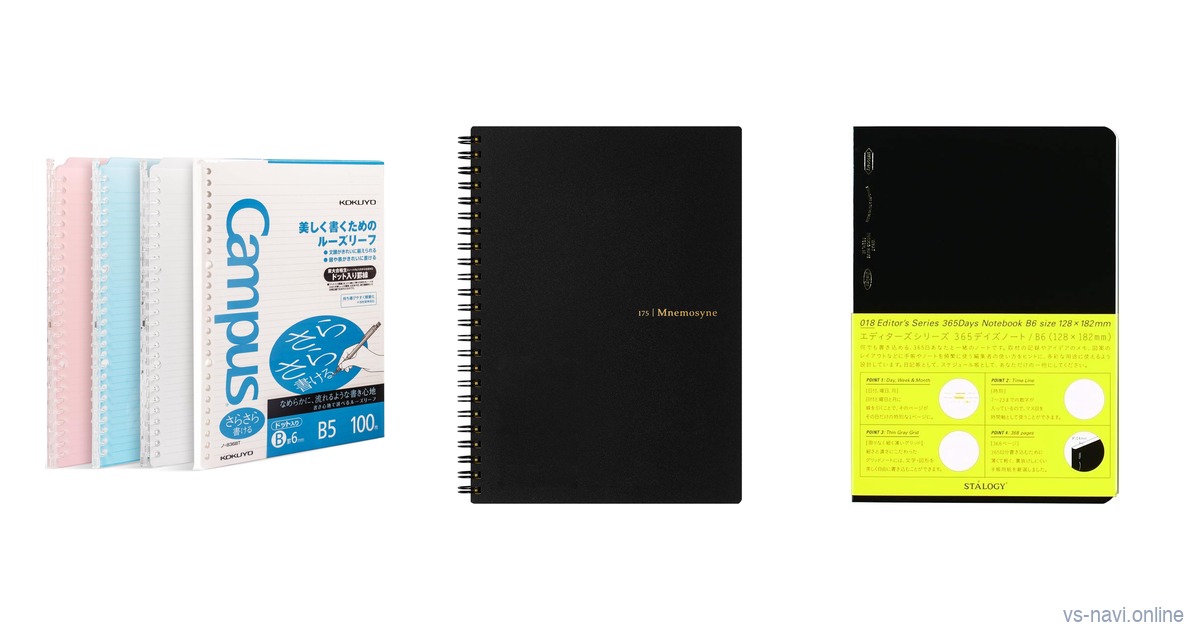
We compared three of the best-known Japanese notebook lines that are in stock on Amazon.com in 2026: Kokuyo Campus, Maruman Mnemosyne and Stalogy. This is a desk comparison based on manufacturer information, Amazon listing data and the pattern of public buyer reviews. No paper-feel claims here go beyond what makers and buyers report.
Our Picks: Three Japanese Notebooks for Different Kinds of Writing
The short version, before the detail:
- Kokuyo Campus Smart Ring binder, B5, 3-pack + 100 sheets — about $22. Slim 26-ring binders with Campus loose-leaf paper. The pick for students and anyone who rearranges notes.
- Maruman Mnemosyne A5 spiral notebook (N175) — about $9. A black, hard-backed spiral notebook made for meetings and lists. The best value of the three.
- Stalogy 365 Days Notebook, B6 — about $19. A 368-page bound book with a thin gray grid. The pick for daily journaling and bullet journals.
Check price on Amazon: Stalogy 365 Days B6 →
Why Japanese Notebook Paper Has a Reputation
Japan has a large domestic market for school and office paper. Makers compete on small things: how smoothly a 0.38 mm gel pen glides, how much ink shows through, whether the page lies flat.
Japanese gel and ballpoint pens are built for fine lines. The notebooks grew up alongside them. That is why a Japanese notebook often uses thinner paper than a Western journal yet still handles ink well.
The three brands below come at this from different directions. Kokuyo makes the everyday school standard. Maruman comes from art paper. Stalogy comes from a company better known for adhesive tape.
Kokuyo Campus Smart Ring Binder (Around $22 on Amazon)
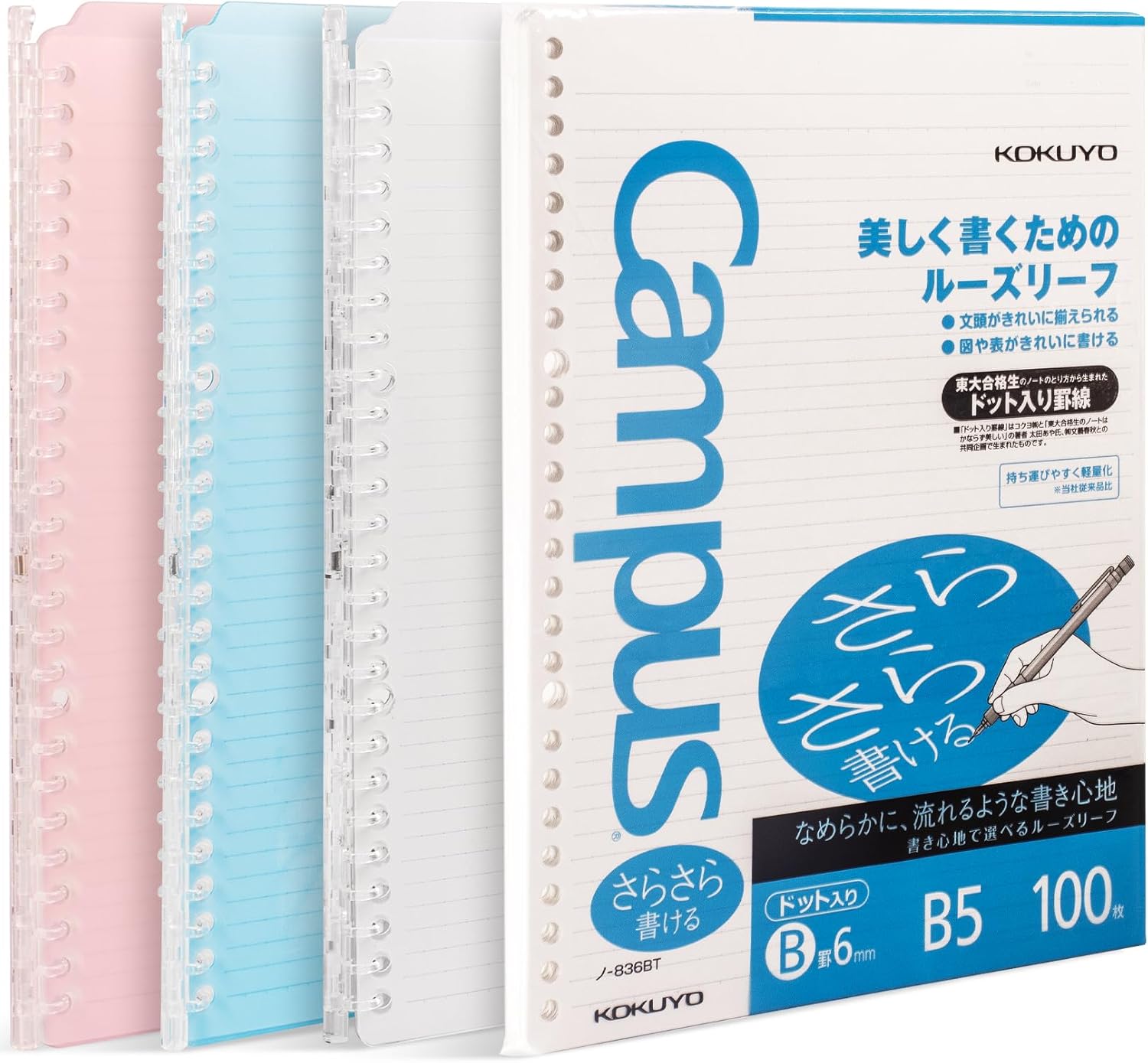
Kokuyo was founded in Osaka in 1905. It launched the Campus notebook in 1975. Today Campus is the notebook most Japanese students grow up with. The blue cover and the word “Campus” in tall letters are as familiar in Japan as a composition book is in the US.
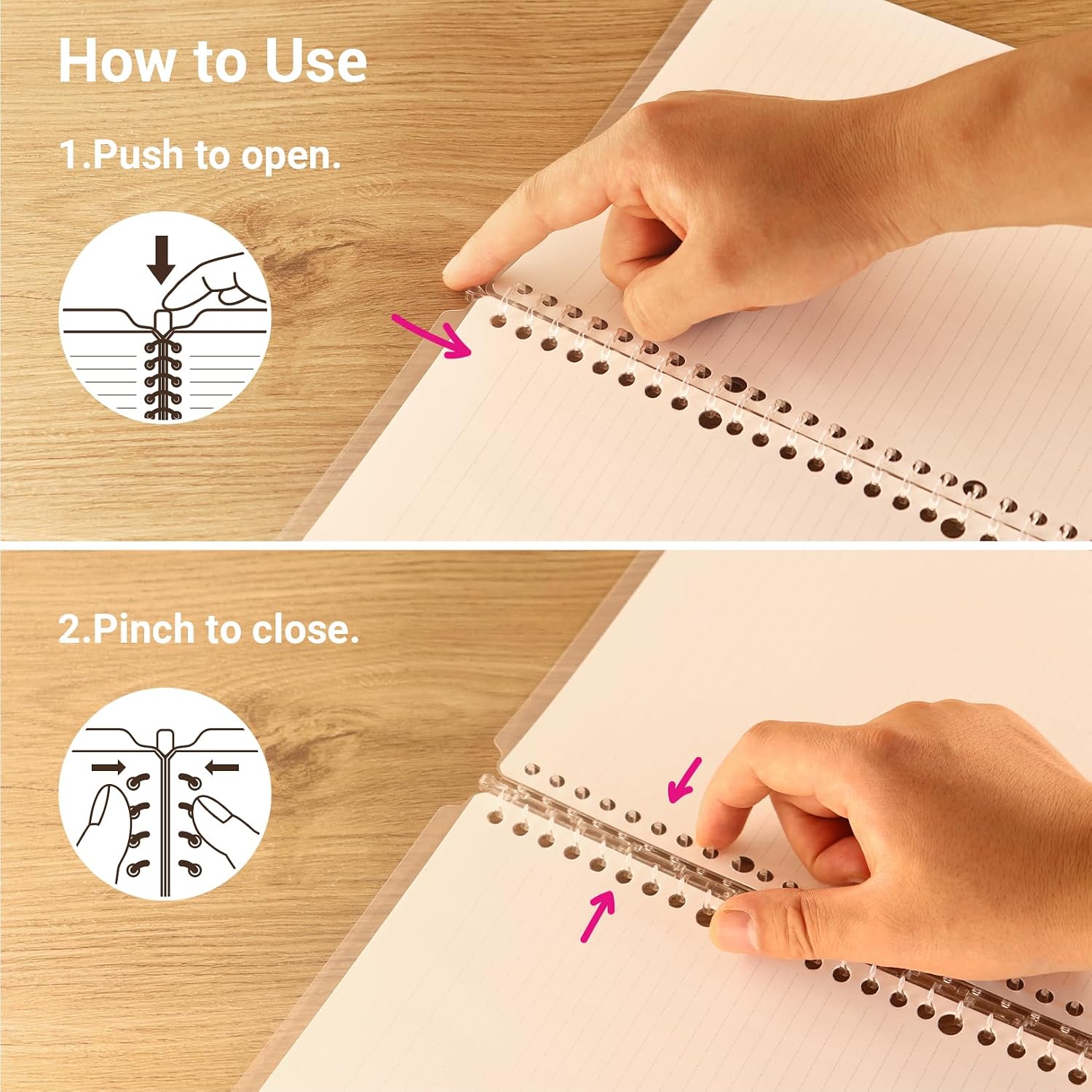
This Amazon listing is not a bound notebook. It is the Campus Smart Ring system: three slim B5 binders (about 7 x 10 in) with 26 plastic rings. Each holds up to 25 sheets. The pack includes 100 sheets of Campus loose-leaf with 6 mm dotted lines, plus 10 sheets inside each binder, for 130 sheets in total.
The point of the design is flexibility. You can pull a page out, move it to another binder or file it away. The cover folds back a full 360 degrees, so the binder takes up the space of a single page on a crowded desk. The dotted lines help keep handwriting and small diagrams aligned.
Buyers mostly praise the smooth, soft paper and the slim profile for school use. The honest downside is capacity and build. Twenty-five sheets fill up fast. Some reviewers find the plastic flimsy, while others report it holding up fine.
Who it suits: students, people who take notes by subject or anyone who likes to reorganize pages later. It has 4.5 out of 5 stars from more than 1,800 ratings.
Maruman Mnemosyne A5 Spiral Notebook (Around $9 on Amazon)
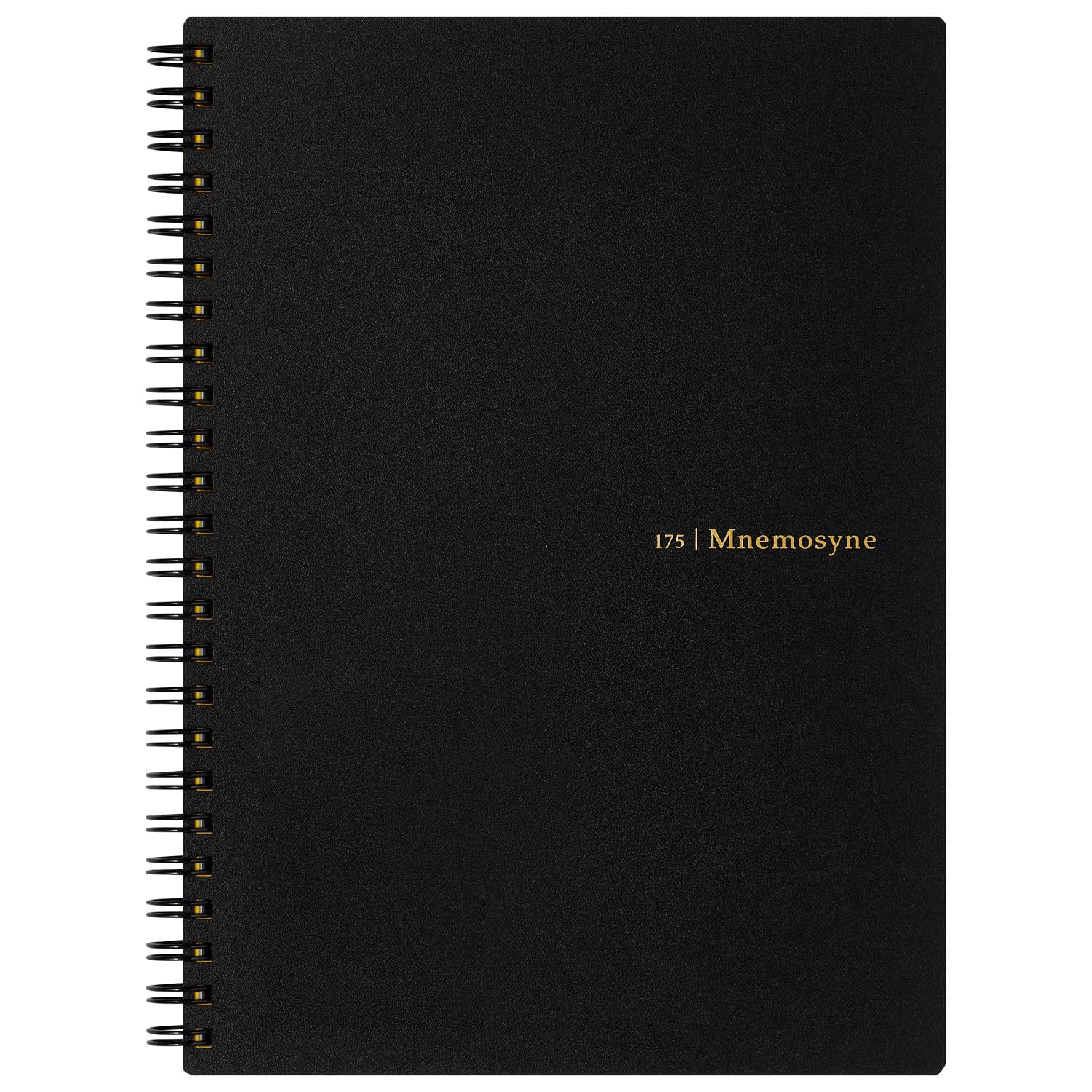
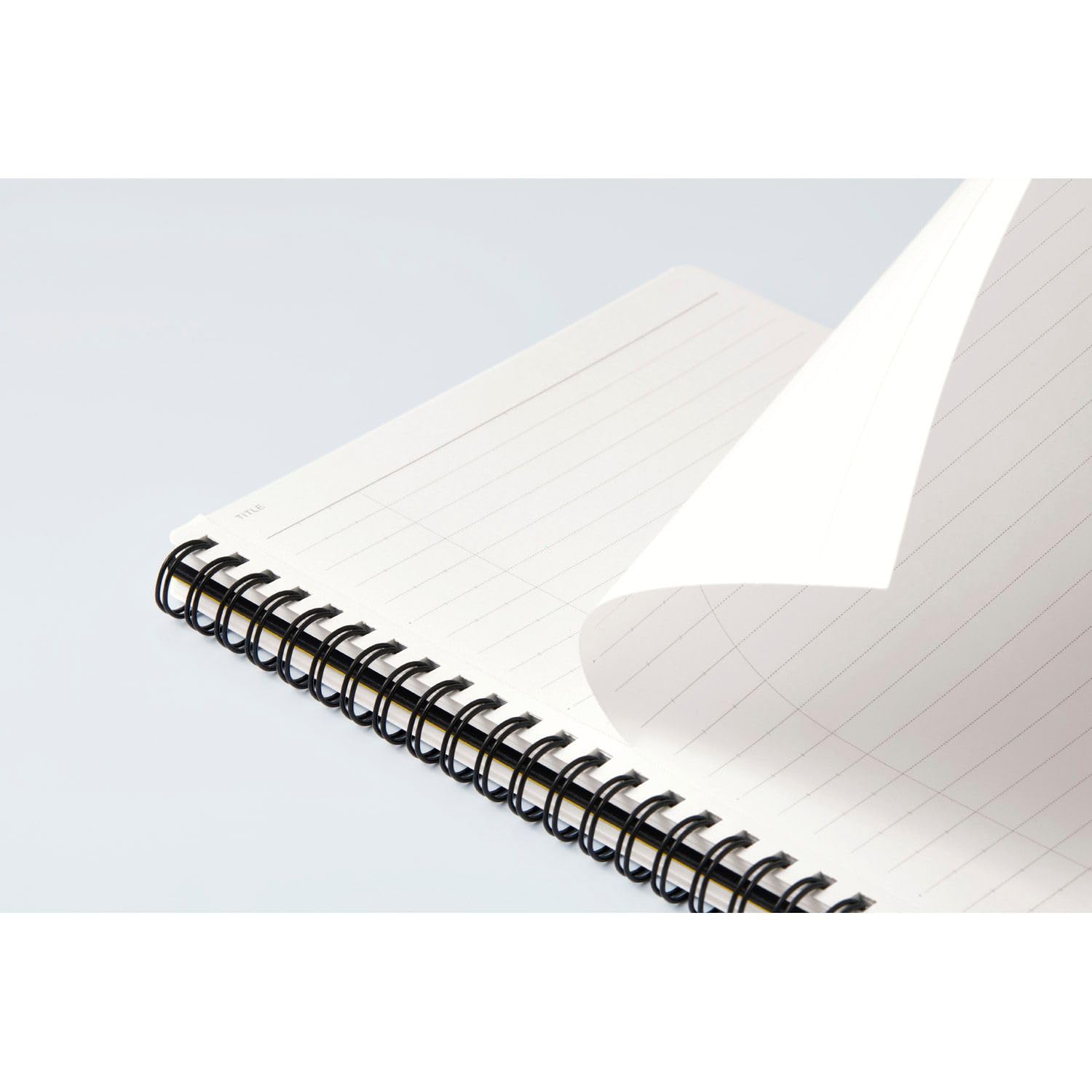
Maruman is a Tokyo paper maker founded in 1920. In Japan it is best known for its spiral sketchbooks, the ones art students carry. Mnemosyne is its line for working adults, named after the Greek goddess of memory.
The look is quiet: a black textured cover, thin gold lettering and a double-wire spiral. Picture it on a meeting table. You flip the cover all the way around, hold the notebook in one hand and write standing up. The firm back board is what makes that work.
This A5 model (5.83 x 8.27 in) has 160 pages. The listing specifies 8 mm ruled lines, a little wider than standard US college rule. That suits larger handwriting and quick lists more than dense notes.
The downside is the US track record. The listing has a 4.8-star average but only about 30 ratings. Stock was also shown as limited at the time of writing. A spiral also catches in bags more than a bound book does.
Who it suits: anyone who wants a serious-looking work notebook for meetings, to-do lists or project notes, at a low price.
Stalogy 365 Days Notebook B6 (Around $19 on Amazon)
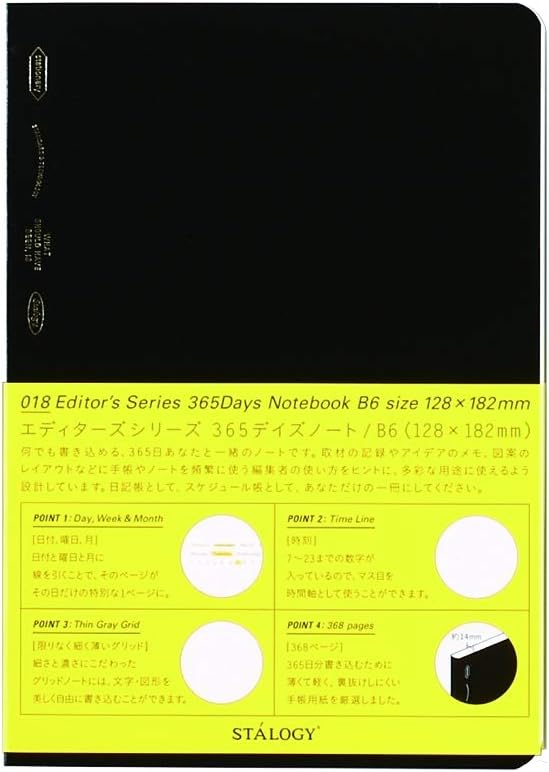
Stalogy is a stationery brand from Nitoms, part of the Nitto group, a Japanese company known for tapes and adhesive materials. The brand was built with the creative direction of good design company, the Tokyo studio led by Manabu Mizuno. Its idea is “standard” stationery done with industrial precision.
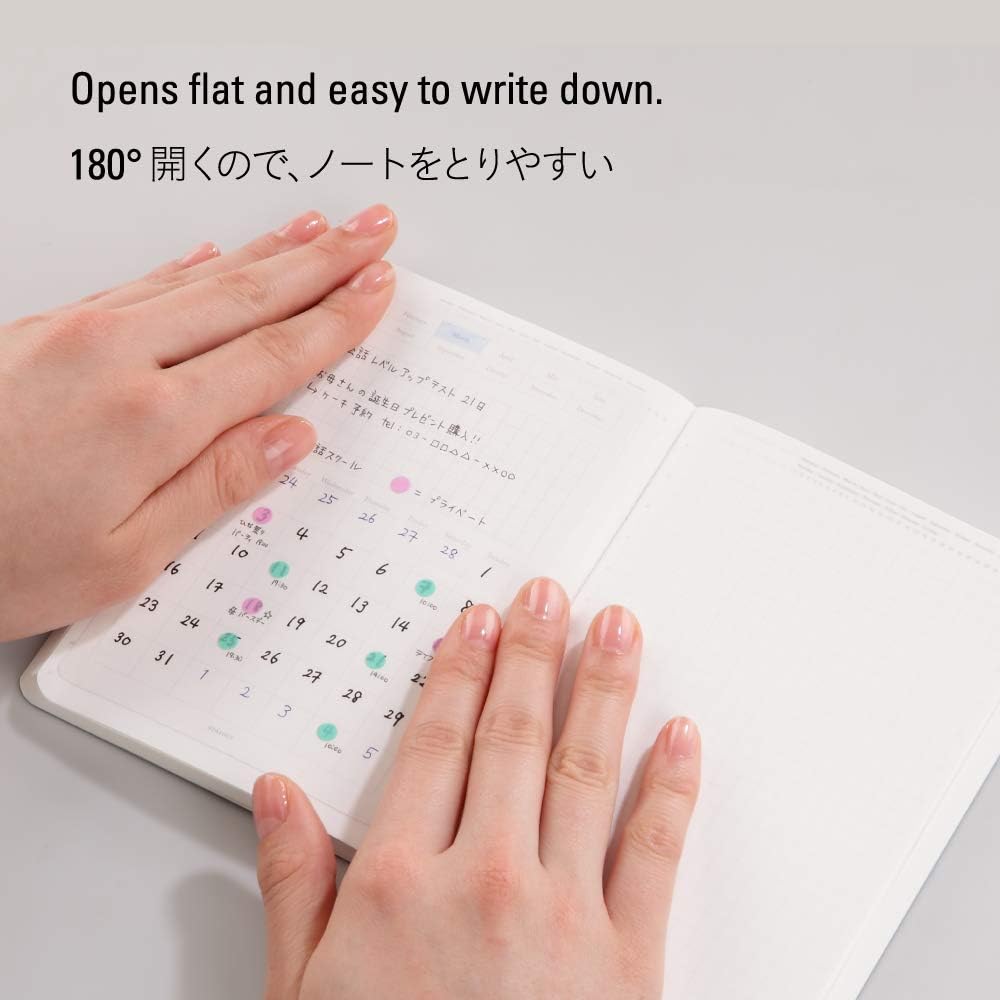
The 365 Days Notebook has 368 pages, enough for one page a day for a year. There are no printed dates. Small day, week and month markers sit along the page edges for you to mark. The thin gray grid stays in the background so writing and sketches come forward.
The B6 size (128 x 182 mm) is about 5 x 7.2 in and 14 mm thick. It slips into a tote bag. The paper is thin so that 368 pages stay light. The book also opens flat.
Buyers mostly praise the smooth paper and the carry-anywhere size, often for bullet journaling. The honest downside is that thin paper. Many say ink does not bleed through, but some report bleed or show-through with wetter pens. Fountain pen and marker users should test first.
Who it suits: daily journal keepers, bullet journal users and anyone who wants one book for a whole year. It holds 4.8 out of 5 stars from more than 3,400 ratings, the strongest record of the three.
Compare the Three
| Kokuyo Campus Smart Ring | Maruman Mnemosyne N175 | Stalogy 365 Days | |
|---|---|---|---|
| Price seen | ~$22 (3 binders + paper) | ~$9 | ~$19 |
| Format | 26-ring binder, loose-leaf | Double-wire spiral | Bound book, lies flat |
| Size | B5 (about 7 x 10 in) | A5 (5.83 x 8.27 in) | B6 (about 5 x 7.2 in) |
| Pages | 130 sheets supplied, 25 per binder | 160 pages | 368 pages |
| Ruling | 6 mm dotted lines | 8 mm ruled | Thin gray grid |
| Rearrange pages | Yes | No | No |
| Amazon rating | 4.5 (1,800+) | 4.8 (about 30) | 4.8 (3,400+) |
| Best for | Class notes by subject | Meetings and lists | Daily journal for a year |
If your notes need to move around, buy the Kokuyo Campus Smart Ring. Nothing else here lets you take a page out cleanly.
If you want one cheap, good-looking notebook for work, buy the Maruman Mnemosyne. If you want to write a little every day for a year, the Stalogy 365 Days is the strongest overall pick, with the best review record. For a dated planner instead of a blank book, see our Hobonichi vs Midori vs Stalogy planner comparison.
Summary
All three come from Japanese makers with long paper traditions. Kokuyo Campus is the flexible school standard, Maruman Mnemosyne is the low-cost work notebook and Stalogy is the year-long journal. Pick by how you write, not by brand.
Prices are US dollar figures seen on Amazon.com at the time of writing. They change often.
Frequently Asked Questions
What is the best Japanese notebook for fountain pens?
None of these three is sold mainly as a fountain pen notebook. Stalogy uses thin paper. Buyer reports on bleed-through are mixed. Test it with your ink first. For heavy fountain pen use, a notebook made with thicker paper is a safer choice.
What do A5, B5 and B6 mean?
They are paper sizes used in Japan. A5 is 148 x 210 mm (5.83 x 8.27 in). B5 is 182 x 257 mm (about 7 x 10 in), the standard Japanese school notebook size. B6 is 128 x 182 mm (about 5 x 7.2 in), a pocket-friendly book size.
Can I buy refill paper for the Kokuyo Campus Smart Ring binder?
Yes. The binder takes 26-hole B5 loose-leaf, the standard Japanese format. This listing already includes 130 sheets of Campus paper. Note that US three-ring paper will not fit.
Is the Stalogy 365 Days Notebook a planner?
Not exactly. It has no printed dates. It gives you 368 pages with small day, week and month markers to fill in yourself, so you can start it any day of the year. Many buyers use it as a bullet journal.