vs-navi.online is a participant in the Amazon Services LLC Associates Program. Purchases made through links on this page may earn us a commission at no extra cost to you.
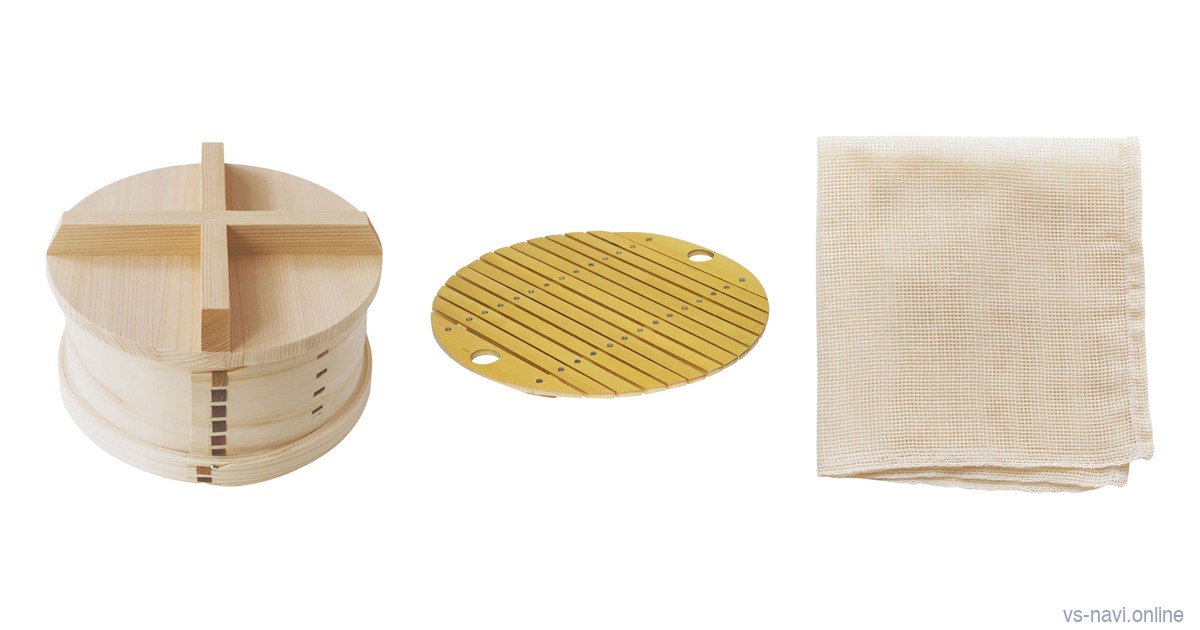
Lift the lid and a cloud of steam rolls out. It smells faintly of wood. Underneath, the broccoli is bright green and the dumplings are glossy.
That is the appeal of a seiro, the Japanese steamer basket. The wood soaks up extra moisture, so water does not drip back onto the food the way it does under a metal lid.
We compared the Japanese-made seiro gear in stock on Amazon.com in 2026. This is a desk comparison built on Amazon listing data, maker information and common steaming practice in Japan. Nothing here is a hands-on cooking claim.
Our Picks: The Best Japanese Seiro Gear on Amazon in 2026
Few Japan-made steamers are sold in the US right now. These three items had a live price and an add-to-cart button when we checked:
- Nichinichi Dogu Japanese seiro with lid, 21 cm — about $125. A bentwood wa-seiro with a plank lid and a bamboo slat base. The pick if you want the real thing.
- River Light Kiwame Japan bamboo steaming rack, 24 cm — about $67. A bamboo rack that turns a 26 cm frying pan into a steamer. The pick if you already own the pan.
- Nichinichi Dogu cotton steamer cloth, 40 x 40 cm — about $23. The liner that keeps rice and buns from sticking. The low-cost add-on for any steamer.
Check price on Amazon: Nichinichi seiro 21 cm →
Wa-Seiro vs Chuka Seiro: Two Kinds of Japanese Steamer
In Japan the word seiro covers two different tools. Knowing which is which saves a wrong purchase.
The chuka seiro is the Chinese-style bamboo steamer most people picture. It has thin woven walls and a woven lid. The tiers stack, so dumplings can cook on one level while vegetables cook on another.
The wa-seiro is the Japanese style. The wall is a thick band of bent wood, traditionally cypress or cedar. The lid is a flat plank with a cross handle. The base is a removable mat of bamboo slats. It is deeper than a Chinese steamer, which suits sticky rice, whole vegetables and sweet potatoes.
So is a Japanese steamer a bamboo steamer? Partly. In a wa-seiro only the slat base is bamboo. If you search for a Japanese bamboo steamer, expect to find wood-walled wa-seiro next to Chinese-style baskets.
Price is the other gap. A two-tier 10-inch Chinese-style bamboo steamer runs about $20 to $40 on Amazon.com. Those are mostly not Japanese brands. A Japan-made wa-seiro costs several times more.
Nichinichi Dogu Japanese Seiro With Lid, 21 cm (Around $125 on Amazon)
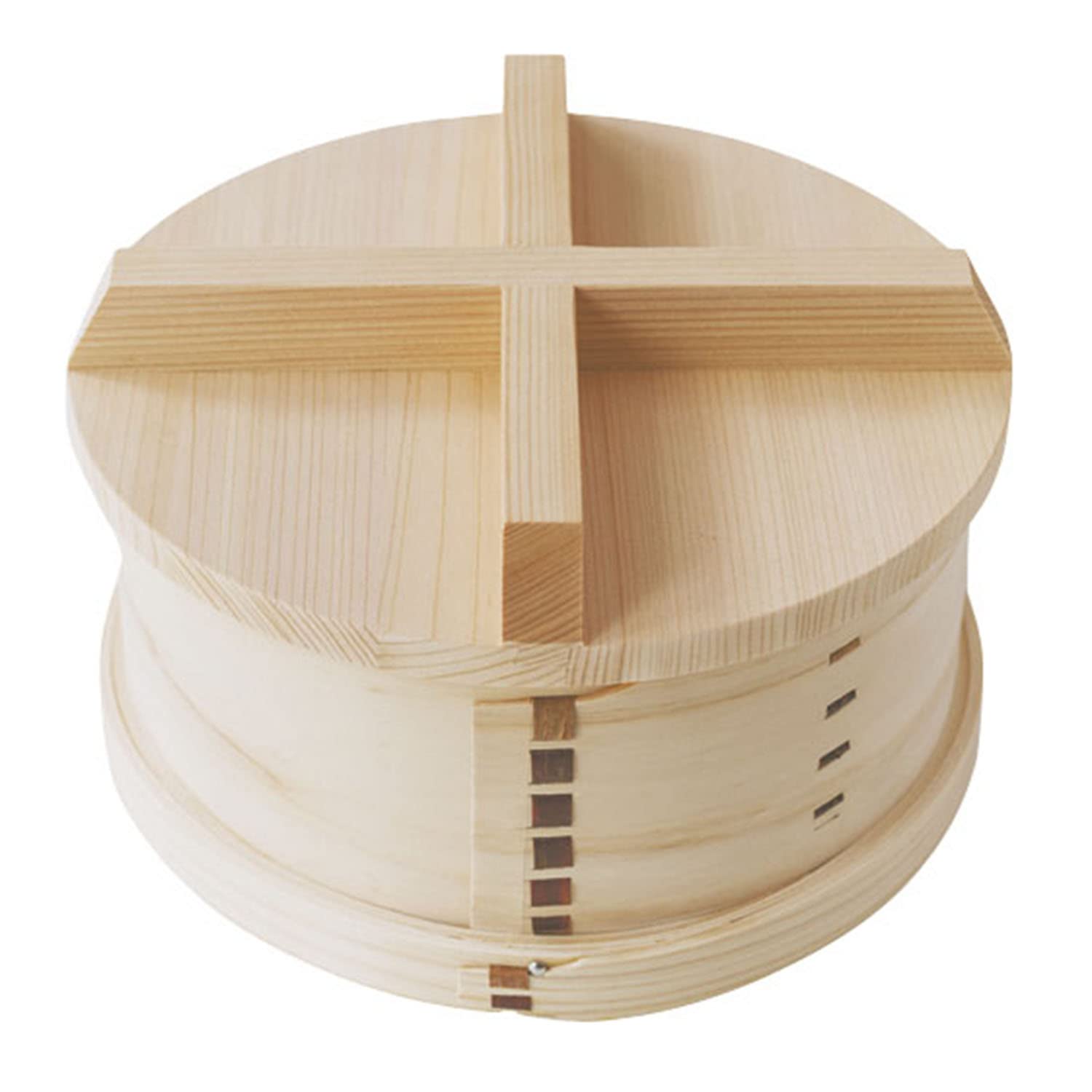
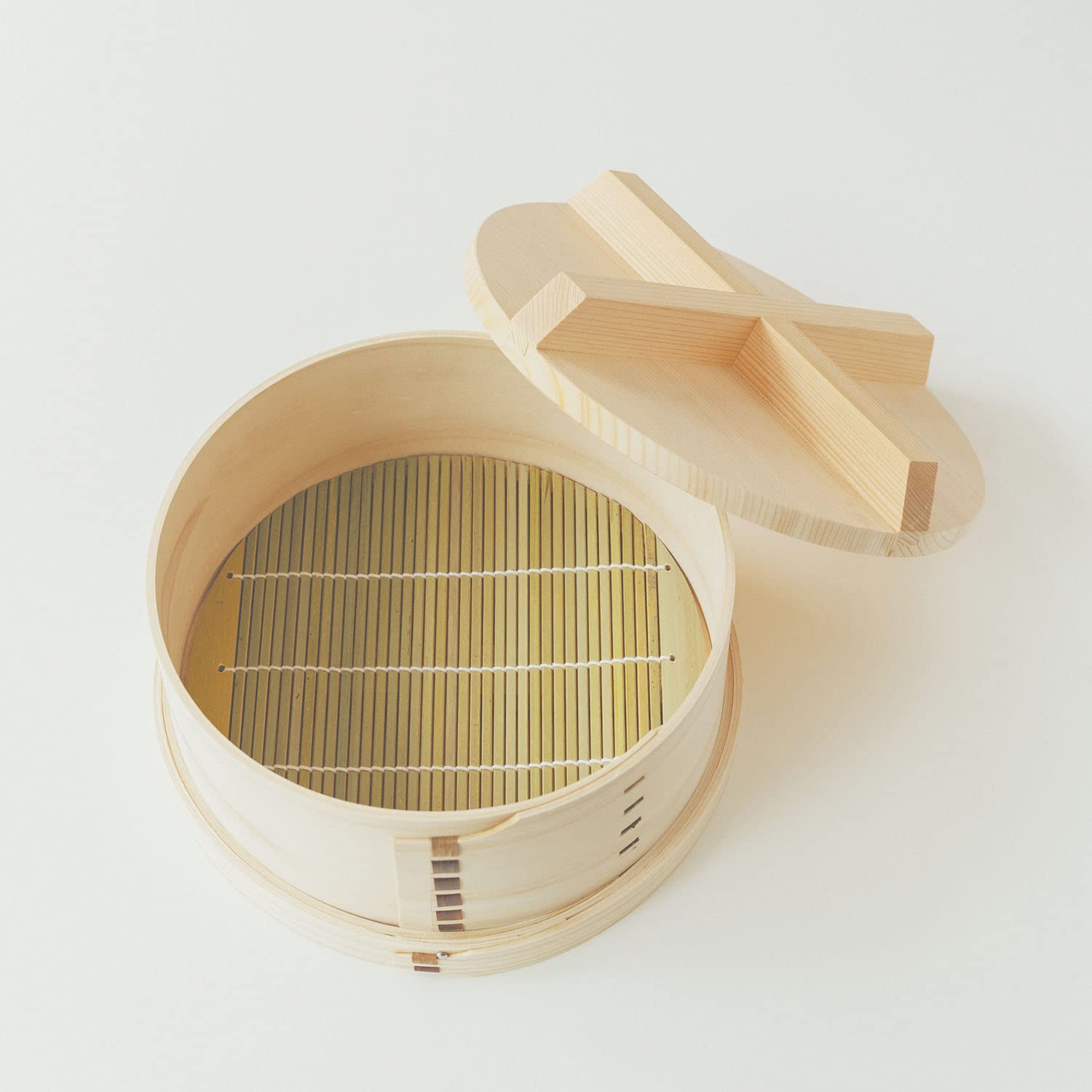
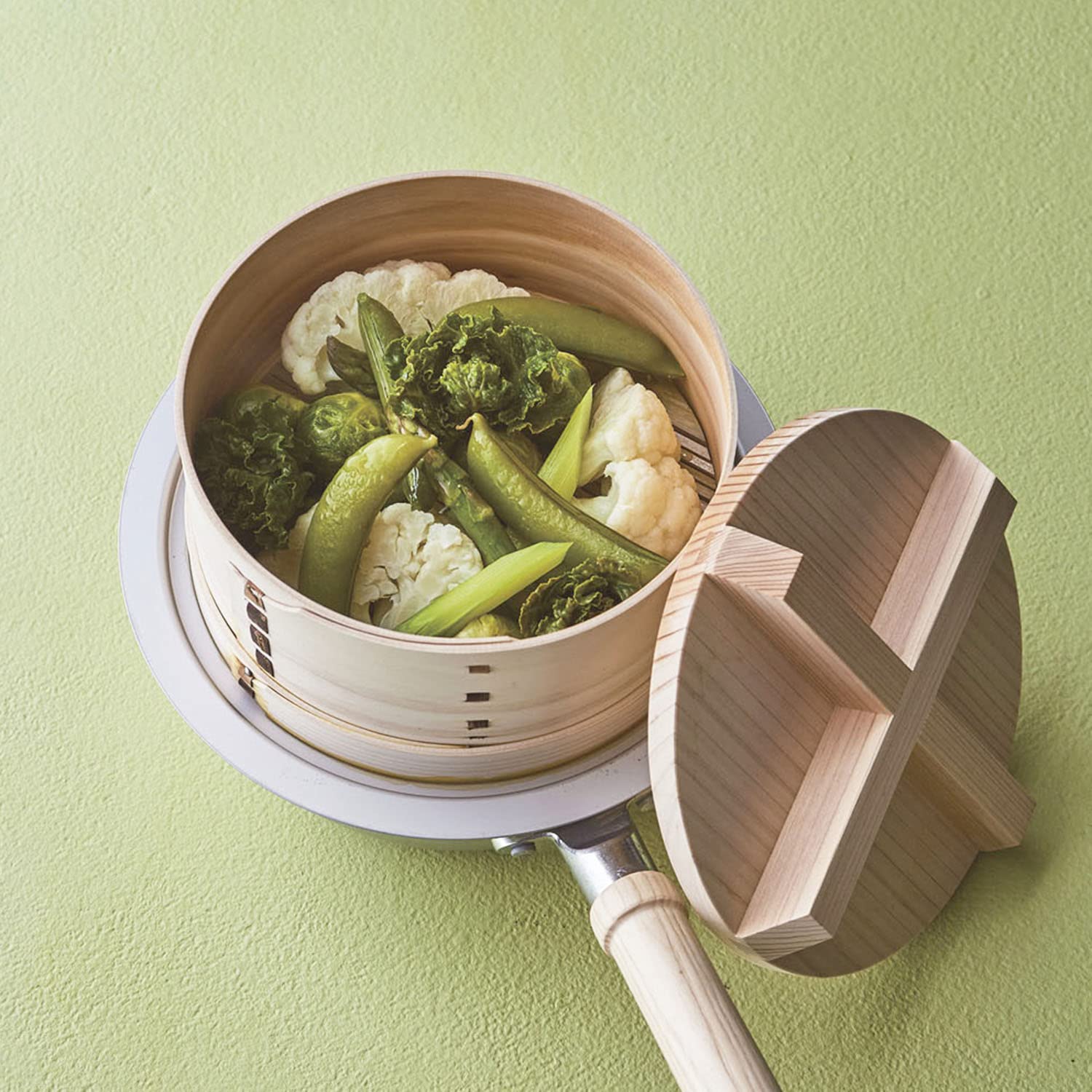
This is the classic wa-seiro shape. The Amazon listing gives a diameter of 21 cm (8.3 inches), includes the lid and states it is made in Japan. The photos show a pale bentwood body, a plank lid and a bamboo slat base.
Nichinichi Dogu (日々道具) means roughly “everyday tools”. The label sells this steamer and a matching cloth on Amazon. In Japan the wa-seiro has had a quiet comeback in recent years. Home cooks use one for steamed vegetable dinners that need no oil and little washing up.
Picture a weeknight. Cut vegetables go in, the lid goes on, ten minutes pass. The whole seiro then goes to the table as the serving dish. The wood keeps food warm and looks good doing it.
The listing carries one clear instruction. Wet the whole steamer with cold or warm water before each use. Used dry, the wood can scorch.
The honest downside is the price. At about $125 it costs several times what a Chinese-style bamboo steamer does. The listing is also thin on detail. It does not name the wood species or the depth. Stock was limited to 15 units when we checked. It held a 4.5-star average across 17 ratings.
River Light Kiwame Japan Bamboo Steaming Rack, 24 cm (Around $67 on Amazon)
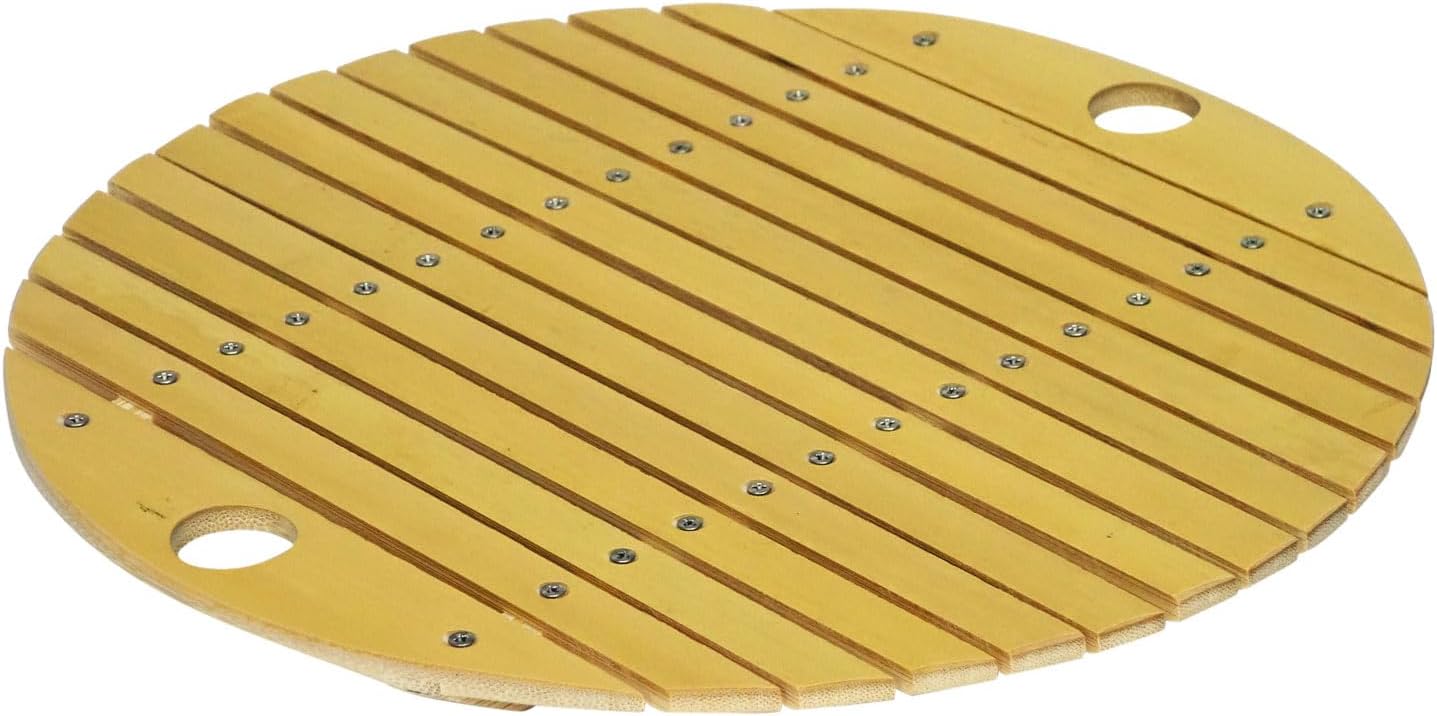
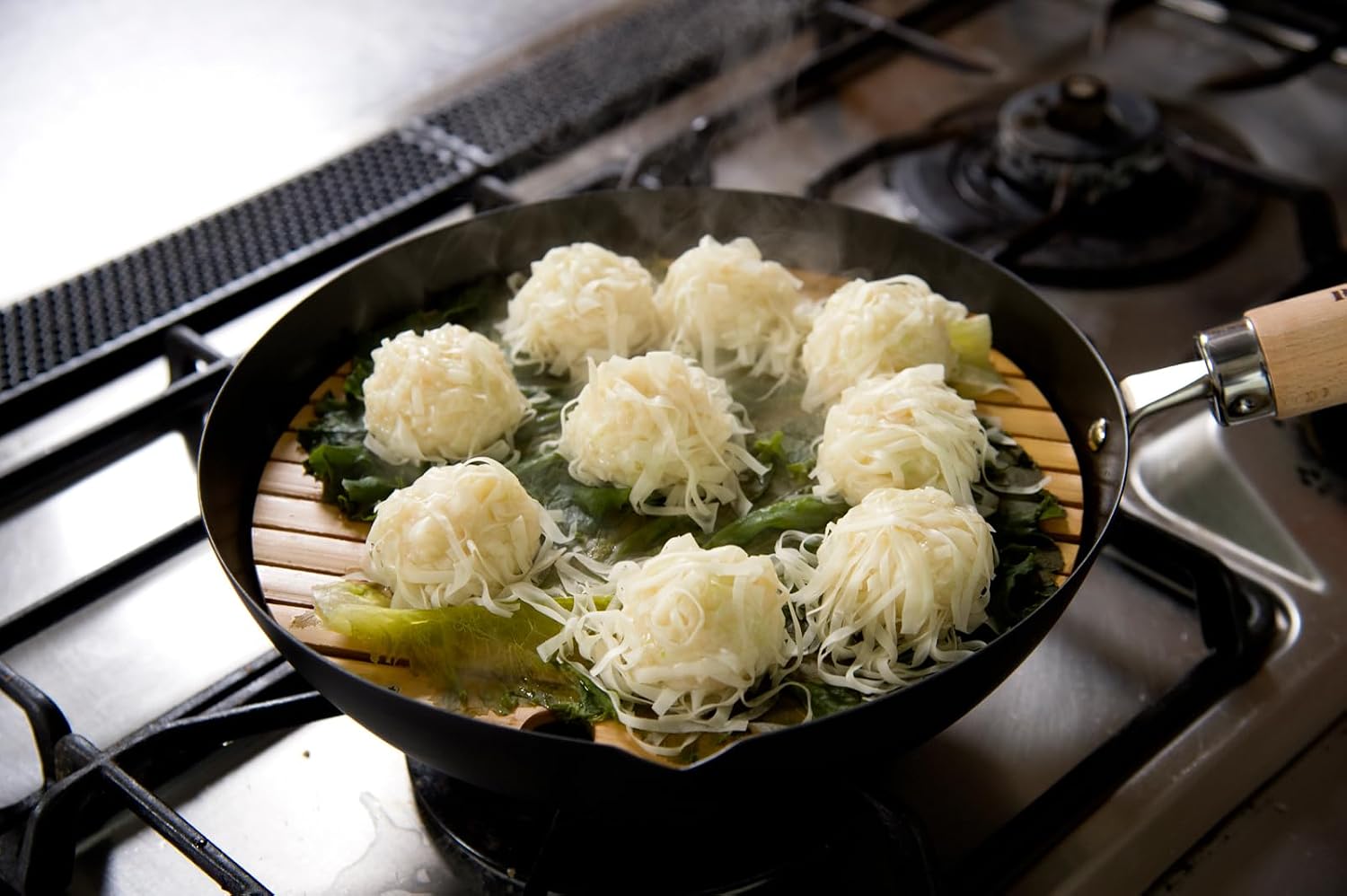
This one is not a basket. It is a round bamboo rack that sits inside a frying pan a little above the water line. Add a lid and the pan becomes a steamer.
River Light is a cookware maker from Chiba Prefecture. It is known in Japan for the Kiwame Japan line of nitrided iron pans, which resist rust better than plain carbon steel. This rack is an accessory for that line.
The listing gives a 24 cm diameter and a weight of 181 g (0.4 lb). The description says it is made for the 26 cm (10.2 inch) pan and uses Japanese bamboo. Two finger holes let you lift it out while it is hot.
The use case is narrow but neat. Water goes in the pan, the rack drops in, a plate of fish or a dozen dumplings sits on top. There is no extra pot to store. You hear the water tick against the iron while the lid holds the steam in.
The downside is fit. It is sized for one pan. The pan and the domed lid in the photos are sold separately. At about $67 it is costly for a rack, so it makes sense mainly for people who already cook with a 26 cm River Light pan. It was in stock with a 4.7-star average from 6 ratings.
Nichinichi Dogu Cotton Steamer Cloth, 40 x 40 cm (Around $23 on Amazon)
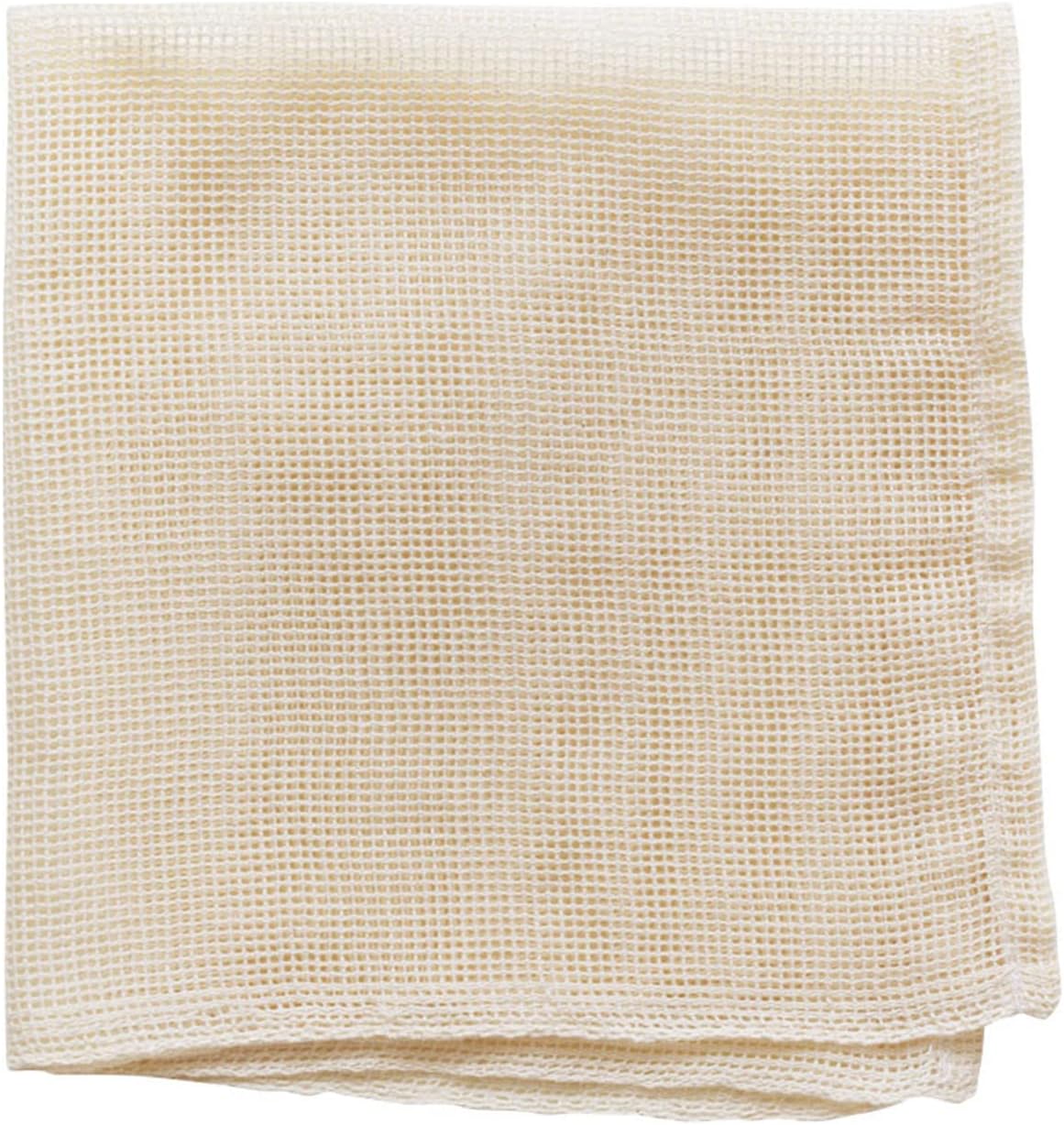
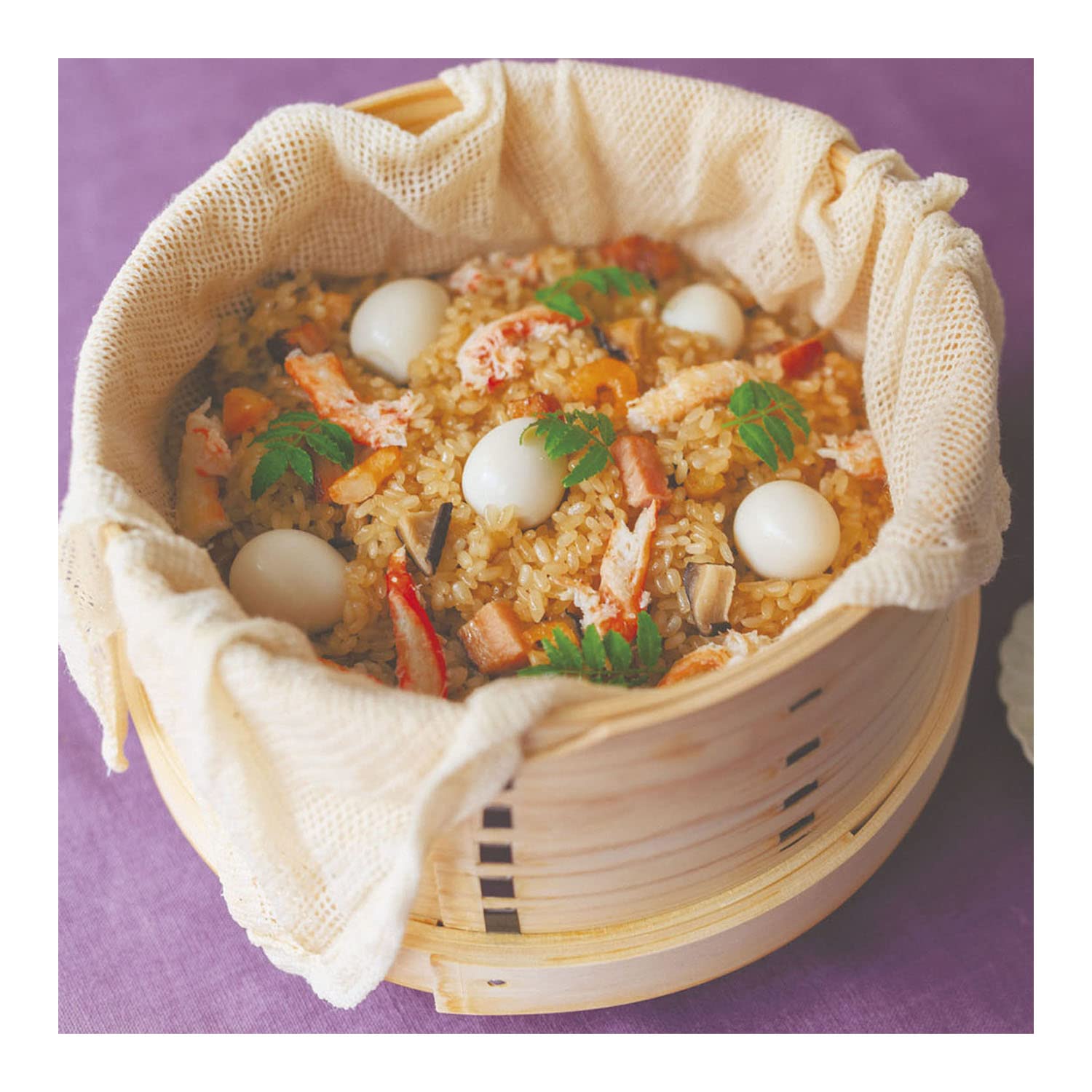
A steamer cloth is the small tool that makes a seiro easy to live with. It lines the base so rice grains do not fall through the slats. It also stops buns from sticking.
The listing describes a 100% cotton cloth, 40 x 40 cm (15.7 inches square), made in Japan. The open weave lets steam pass while the cotton takes up moisture. In Japanese home cooking this kind of cloth is the standard liner for okowa, the steamed sticky rice served at celebrations.
Using it is simple. Wet the cloth, wring it out, lay it in the seiro. Let the corners hang over the edge. After steaming, gather the corners to lift everything out in one bundle. The cloth feels soft and slightly coarse, like a loose dish towel.
The listing asks buyers to disinfect the cloth in boiling water before first use. After cooking, rinse it and dry it fully. It warns that damp storage can cause discolouration and mildew.
The downside is that about $23 is a lot for a square of cotton. Baking parchment with a few holes does a similar job for pennies. The cloth is reusable though. It was in stock with a 4.4-star average across 74 ratings, the most feedback of the three items.
Compare the Three
| Nichinichi seiro | River Light rack | Nichinichi cloth | |
|---|---|---|---|
| Price seen | ~$125 | ~$67 | ~$23 |
| What it is | Complete wa-seiro with lid | Rack for a frying pan | Liner cloth |
| Size | 21 cm (8.3 in) diameter | 24 cm (9.4 in) diameter | 40 x 40 cm (15.7 in) |
| Material (per listing) | Wood body, bamboo slat base (from photos) | Bamboo | 100% cotton |
| Made in Japan (per listing) | Yes | Yes | Yes |
| Works alone? | Yes, over a pot of water | Needs a 26 cm pan plus a lid | Needs a steamer |
| Amazon rating | 4.5 (17 ratings) | 4.7 (6 ratings) | 4.4 (74 ratings) |
| Stock when checked | Only 15 left | In stock | In stock |
Choose the Nichinichi seiro if you want steaming to become a habit. It is the only complete steamer here. It also doubles as a serving dish.
Choose the River Light rack if a 26 cm Kiwame pan already lives on your stove. It adds steaming without adding a pot. If you own a different pan, skip it.
Add the cloth if you plan to steam rice, buns or anything sticky. If you only steam vegetables, a plate or parchment is enough.
How to Use a Seiro Step by Step
The method below is the common practice in Japanese kitchens. It applies to both wa-seiro and Chinese-style bamboo steamers.
- Wet the steamer. Run water over the whole seiro, lid included. Wet wood resists scorching and takes on fewer food smells.
- Boil the water first. Bring a pot to a full boil before the seiro goes on. Use a pot about the same width as the steamer so steam cannot escape around the sides. A metal steamer ring bridges the gap if the sizes do not match.
- Line the base. Use a wet cloth, parchment or a few cabbage leaves. Leave gaps so steam can rise.
- Load and cover. Leave space between pieces. Put slow items such as root vegetables in first. Add quick items such as leafy greens later.
- Keep the water up. A long steam can boil the pot dry, which burns the base of the seiro. Top up with hot water as needed.
- Lift with care. Open the lid away from you. Steam burns faster than boiling water.
Timing depends on the size of the pieces. As a rough guide, leafy vegetables take 3 to 5 minutes. Broccoli, dumplings and fish fillets take around 8 to 10 minutes. Whole sweet potatoes can take 30 minutes or more.
Cleaning and Storage
Care is where most seiro fail. The usual advice in Japan is to avoid dish soap, because the wood can absorb it. Rinse with hot water and wipe with a brush or cloth.
Then dry it completely. Stand the seiro on its side in a place with moving air, out of direct sun. Do not seal it in a plastic bag or a closed cupboard while it is damp. Trapped moisture leads to mould.
A dishwasher is not suitable for bentwood or bamboo. Heat and long soaking can warp the body.
What to Cook Next to the Steamer
A seiro rarely works alone in a Japanese kitchen. It sits on top of other pots. A wide wok is a classic base for Chinese-style baskets because the sloped sides hold any diameter. Our guide to the best Japanese woks covers the options.
The River Light rack belongs with the iron pans in our Japanese carbon steel frying pan comparison. For slow simmered dishes at the table, the clay pots in our donabe guide fill the role a steamer cannot.
Summary
The Nichinichi Dogu wa-seiro is the one complete, Japan-made steamer we found in stock, at a premium price. The River Light rack is a smart add-on for owners of the matching pan. The cotton cloth makes either one easier to use.
If the price of a Japan-made seiro is too high, a low-cost Chinese-style bamboo steamer cooks the same way. The method and the care steps above still apply.
Prices are US dollar figures seen on Amazon.com at the time of writing. They change often.
Frequently Asked Questions
Is a Japanese seiro made of bamboo?
It depends on the type. A Chinese-style chuka seiro is woven bamboo. A Japanese wa-seiro has a bentwood wall, traditionally cypress or cedar, with a bamboo slat base. Both are called seiro in Japan.
What size seiro should I buy?
A 21 cm (8.3 inch) seiro suits one or two people. It holds a head of broccoli or about eight dumplings. Match it to a pot of similar width. Larger households in Japan often move up to 24 cm or 27 cm.
Do I need to soak a seiro before use?
A long soak is not needed. Wet the whole steamer under running water just before cooking. The Nichinichi Dogu listing warns that using it dry can scorch the wood.
Can I use a seiro on an induction cooktop?
Yes, indirectly. The seiro never touches the heat. It sits on a pot or pan of boiling water, so any cooktop works as long as the pot below suits it.
How do I stop mould on a bamboo or wooden steamer?
Dry it fully after every use. Stand it on its side in moving air. Never store it damp or sealed in plastic. If light mould appears, scrub it off with hot water and dry the steamer in the open air.
Can I stack two wa-seiro?
Many wa-seiro are sold as separate bodies and lids so tiers can stack. The listing here is for one body with a lid. Check the exact diameter before buying a second body from another maker.