vs-navi.online is a participant in the Amazon Services LLC Associates Program. Purchases made through links on this page may earn us a commission at no extra cost to you.
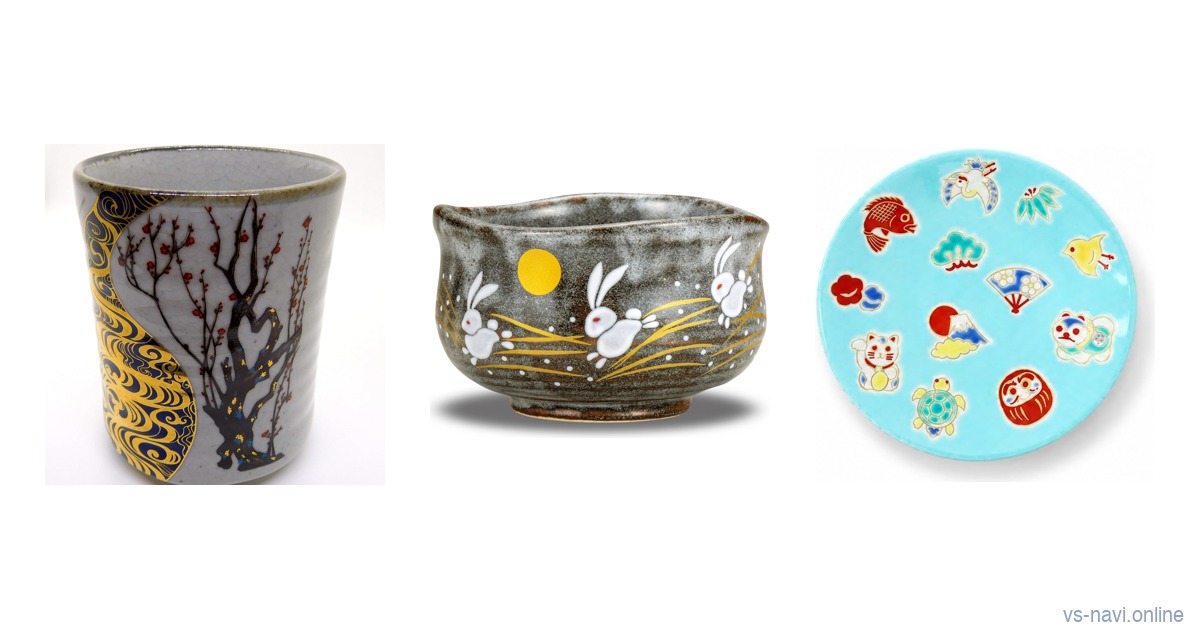
Pour green tea into a Kutani cup and the first thing you notice is the color. Thick enamel greens, deep yellows plus a glossy red sit on the white porcelain like a small painting you can hold.
Kutani ware (九谷焼, Kutani-yaki) is Japan’s best-known painted porcelain. On Amazon.com it shows up as teacups, matcha bowls plus small plates, with prices from under $20 to well over $100. The hard part is knowing what you are paying for.
We compared three Kutani pieces that were in stock on Amazon.com in November 2026: a gold plum teacup, a rabbit matcha bowl plus a small lucky-motif plate. This is a desk review of listings, label claims plus public review summaries, not a hands-on test.
Our Picks: Which Kutani Piece to Buy First
- Best everyday cup: Kutani Gold Plum Teacup, about $36. A 200 ml yunomi with gold plum blossoms plus a wave band. Hand wash only because of the gold.
- Best gift: Kutani Rabbit Matcha Bowl, about $52. Rabbits under a gold moon, sold with a wooden box. The most reviewed of the three.
- Best for daily meals: CLAYMARK Kutani Lucky Motif Plate, about $19. A 4.7-inch plate the listing calls microwave plus dishwasher safe.
Prices were checked on Amazon.com on November 3, 2026. Japanese craft items are often sold in small lots, so stock plus price can change quickly.
What Kutani Ware Is in Japan
Kutani ware comes from the southern part of Ishikawa Prefecture on the Sea of Japan coast, around Kaga, Komatsu, Nomi plus Kanazawa. The name comes from Kutani village, where the first kilns are said to have opened around 1655 under the Kaga domain.
Those early pieces, now called Ko-Kutani (old Kutani), stopped being made after a few decades. Historians still debate how much of that work was fired locally. Production came back in the early 1800s, plus the revived kilns created most of the styles sold today.
In the Meiji era Kutani became a major export. Shown abroad as “Japan Kutani,” its bright gold plus red painting suited Western taste. Today it is a nationally designated traditional craft of Japan, plus Ishikawa holds a large Kutani pottery fair in Nomi every spring.
In Japanese homes Kutani is a “special occasion” ware. People buy it as wedding gifts, retirement gifts or for guests, while plain Mino or Hasami pieces handle the daily rice bowl. That is useful to know when you judge price.
How to Read a Kutani Design
The signature of Kutani is overglaze enamel, called uwa-e. The piece is fired once with a clear glaze, then painted with colored enamels plus fired again at a lower heat. The paint sits on the surface, which is why it looks thick plus glossy.
Kutani painters work with the “Kutani gosai,” five classic colors: green, yellow, red, purple plus a deep Prussian blue. A few named styles cover most of what you will see:
- Ko-Kutani style: bold landscapes or birds in all five colors.
- Yoshidaya style: green, yellow, purple plus blue covering the whole surface, with no red.
- Aka-e: very fine red line painting, often of people or patterns.
- Kinrande: red ground with gold patterns, the classic Meiji export look.
- Gold or silver leaf: modern pieces often add gold lines or silver leaf for a luxury finish.
One practical rule follows from this. Gold, silver plus heavy enamels can spark or wear in a microwave or dishwasher. If a listing mentions gold, plan to wash it by hand. Only buy Kutani for daily use if the listing clearly says it is microwave or dishwasher safe.
Kutani Gold Plum Teacup (around $36 on Amazon)
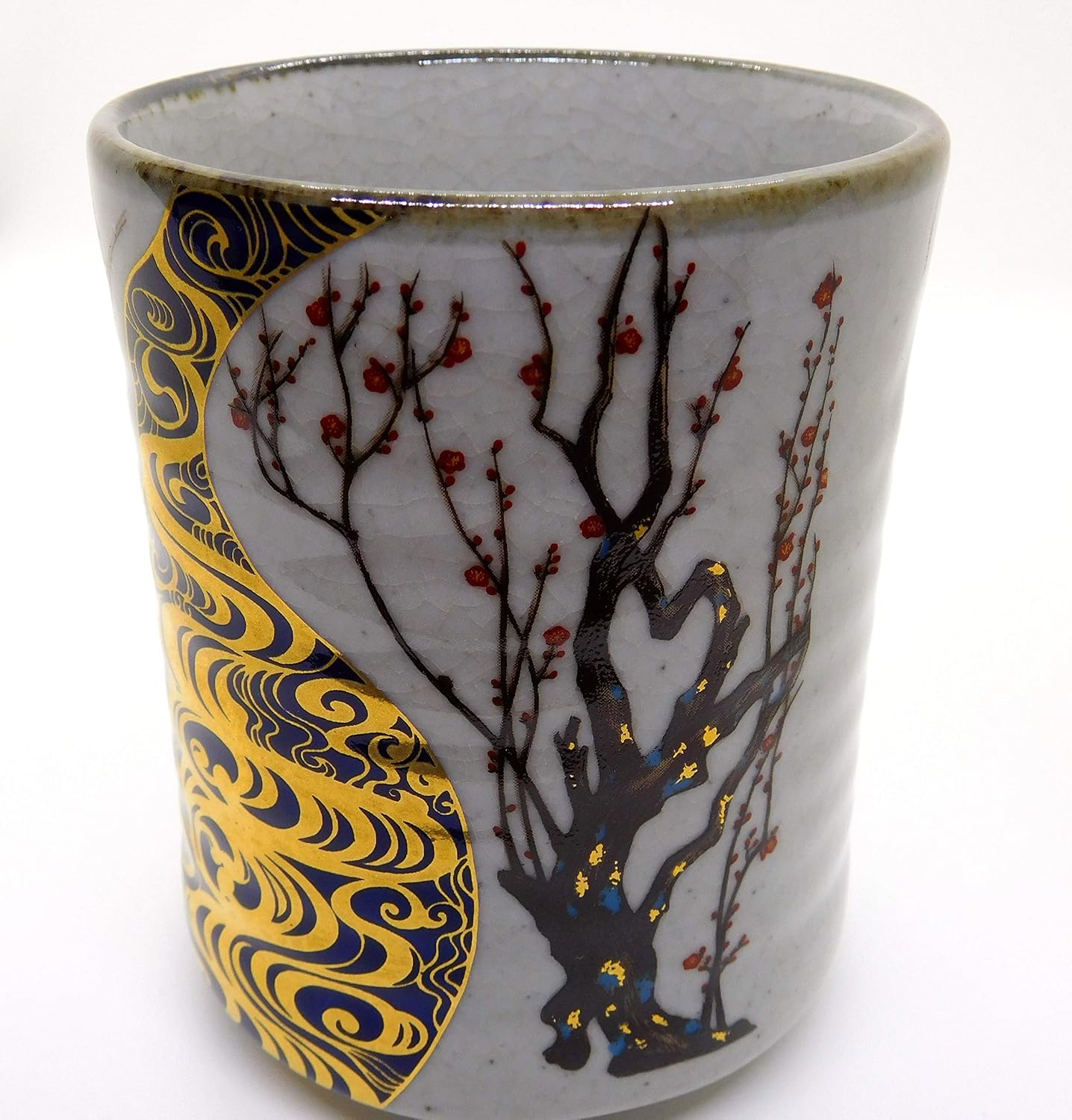
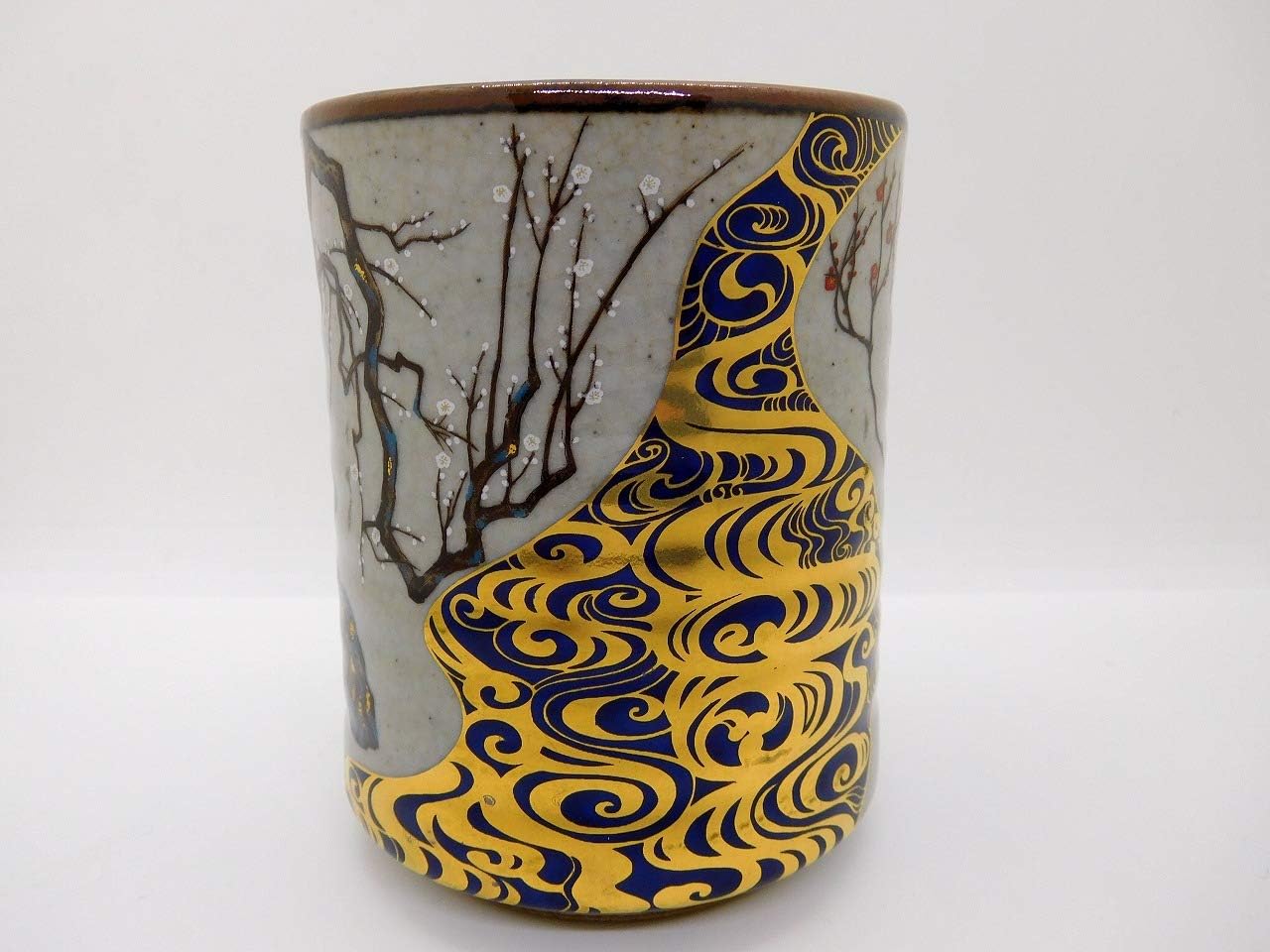
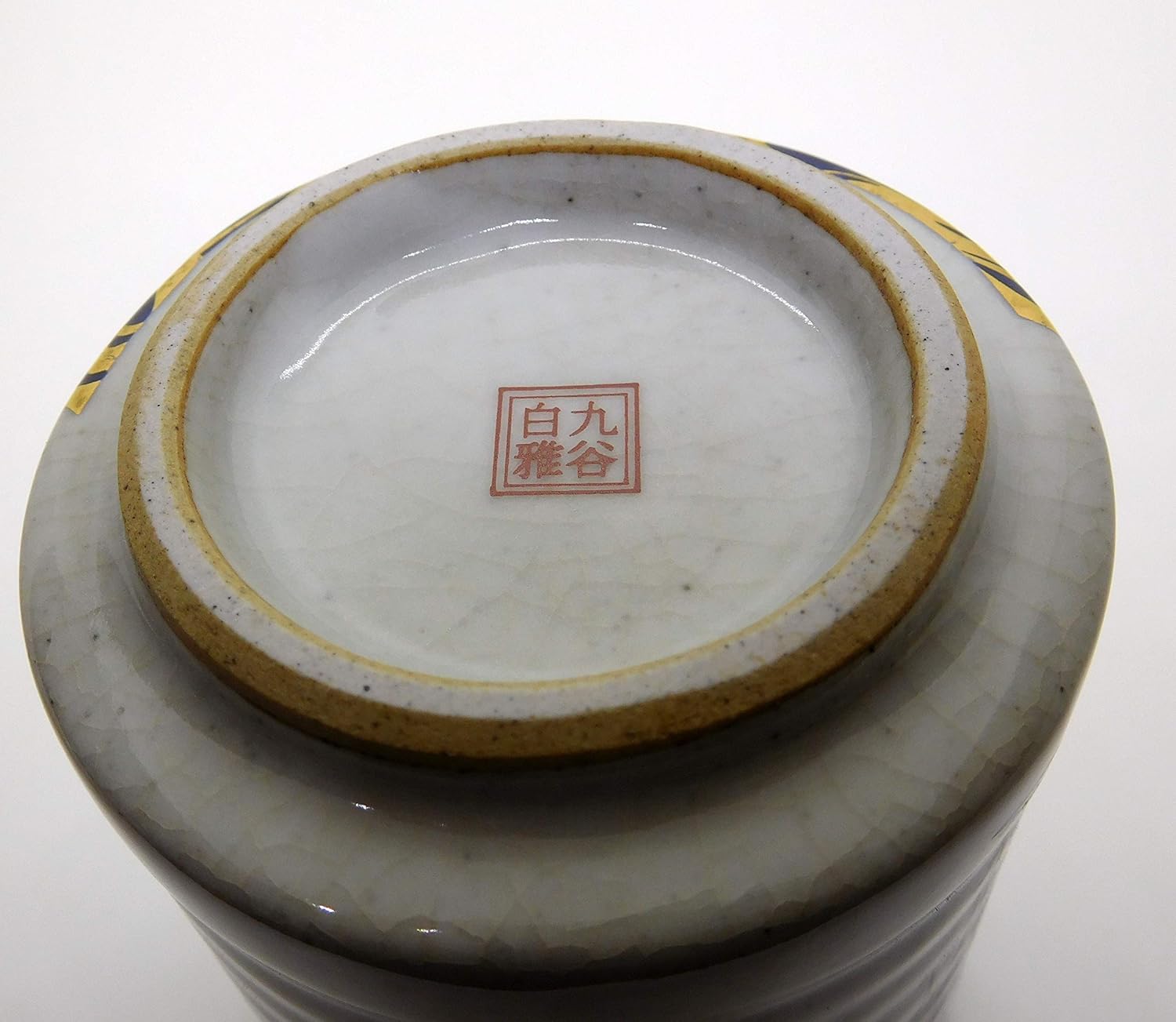
This is a classic yunomi, the tall handleless cup used for green tea in Japan. The listing gives 4.2 inches tall by 3.3 inches wide with a capacity of 200 ml (about 6.8 oz). That is a normal size for sencha or hojicha.
The design pairs a dark plum branch with small red blossoms against a soft gray glaze. A wide band of gold waves runs down one side. Plum blossoms are a late-winter symbol in Japan, so this cup is a natural choice for a New Year or early spring gift.
Amazon’s review summary says buyers find the quality high plus think it makes a good gift. Opinions on size are mixed: some find it just right, others say it is a little bigger than they expected. The listing showed a rating of 4.7 out of 5 from 192 reviews when we checked.
The honest downside is care. The listing states that the cup uses gold plus must not go in the microwave. Treat it as a hand-wash cup. It suits a tea drinker who wants one good cup for daily use, not someone who needs dishwasher-proof mugs.
Kutani Rabbit Matcha Bowl (around $52 on Amazon)
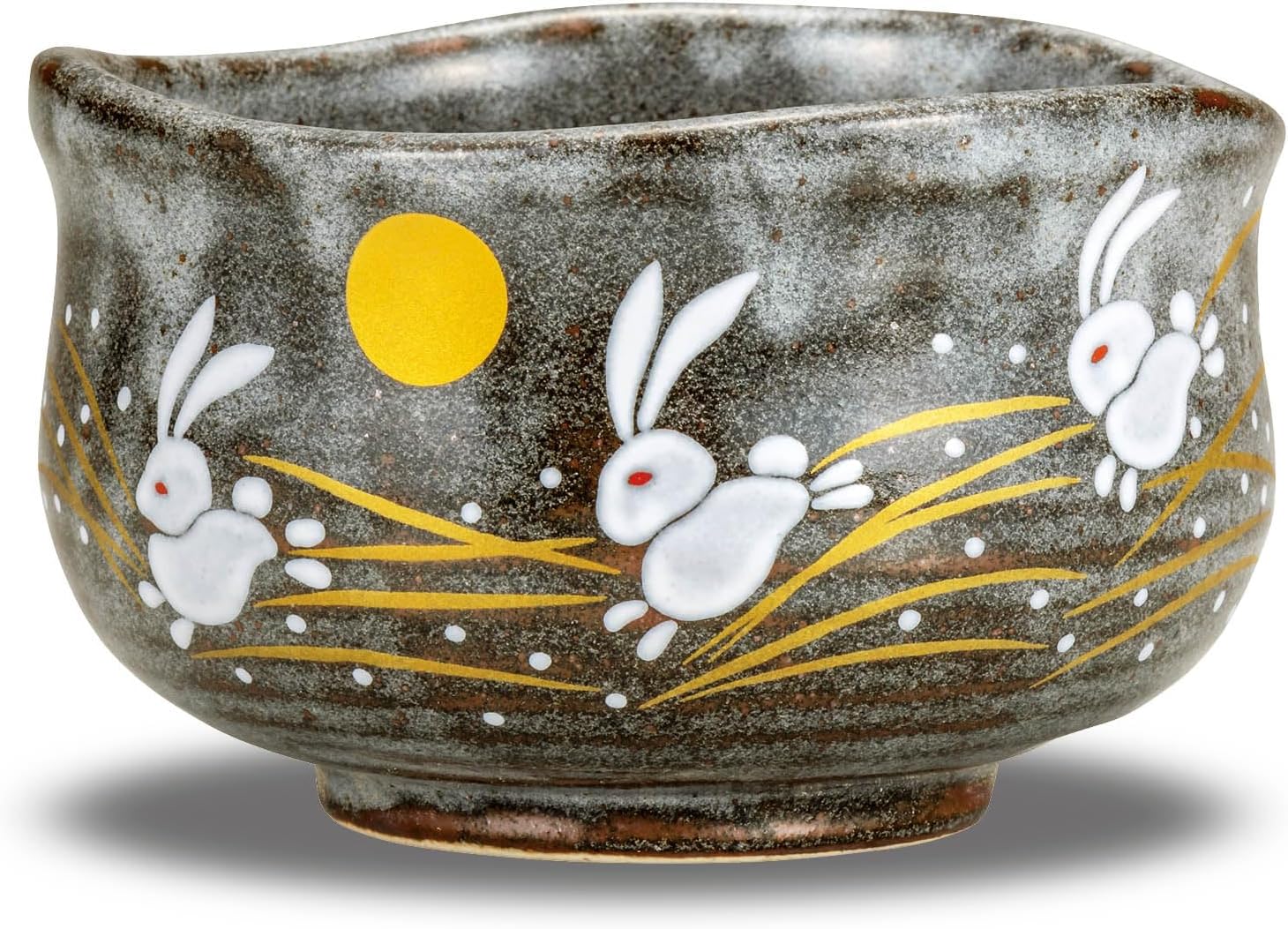
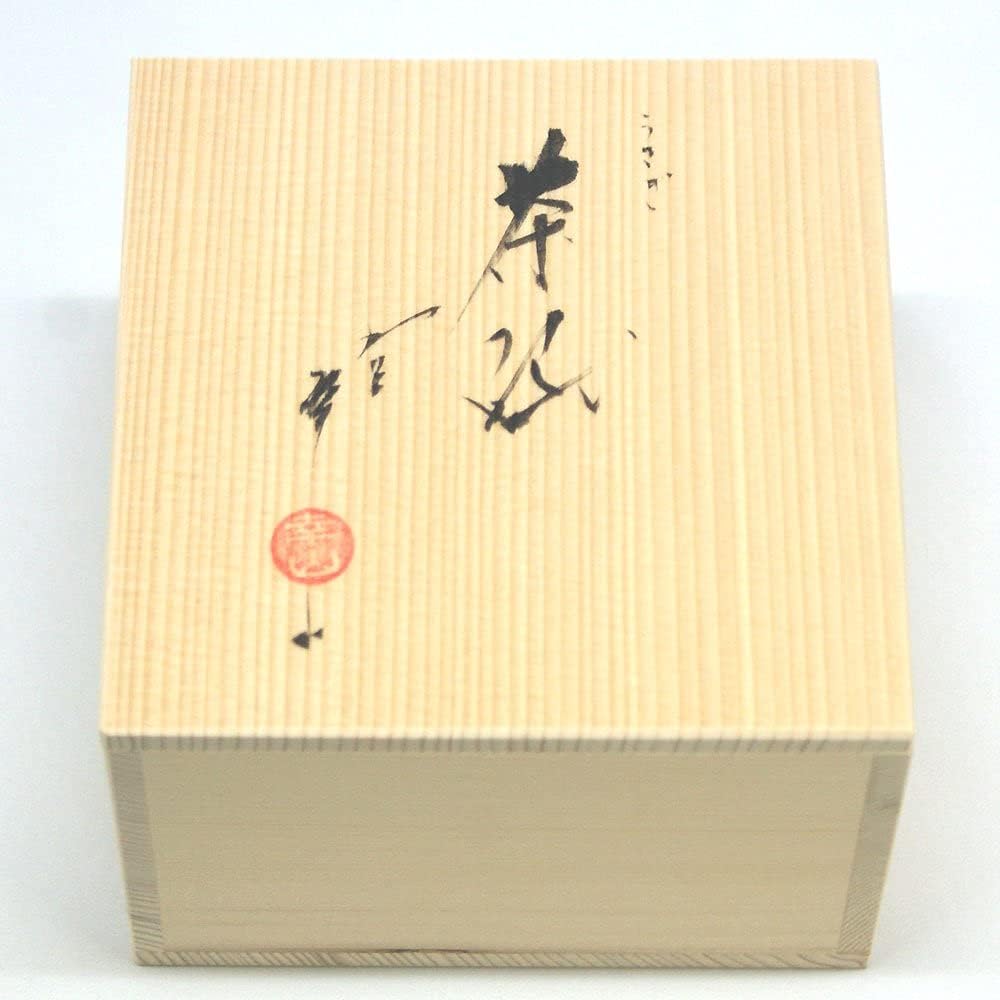
This chawan is sold under the Waza no Kura (和座の蔵) brand, with Toki-do listed as the maker. The listing says it is made in Ishikawa plus measures 2.6 inches tall by 4.3 inches across, a typical matcha bowl size.
White rabbits leap across a dark speckled glaze beneath a gold full moon, with gold pampas grass at their feet. In Japan, rabbits are linked with the moon through the tale of the rabbit pounding rice cakes. The motif is tied to autumn moon viewing, called tsukimi.
This is the most reviewed of our three picks, with 4.8 out of 5 from 536 reviews on the listing. Amazon’s summary says buyers call it a work of art. They praise the craftsmanship, solid build plus size, while several say it was worth the money as a gift. One reviewer noted it holds about 12 ounces.
The listing gives no care instructions. As with any gold-decorated piece, hand washing plus keeping it out of the microwave is the safe choice. The bowl also works for rice, soup or dessert, as the listing suggests. Still, most buyers will want to keep it for matcha or display.
CLAYMARK Kutani Lucky Motif Plate (around $19 on Amazon)
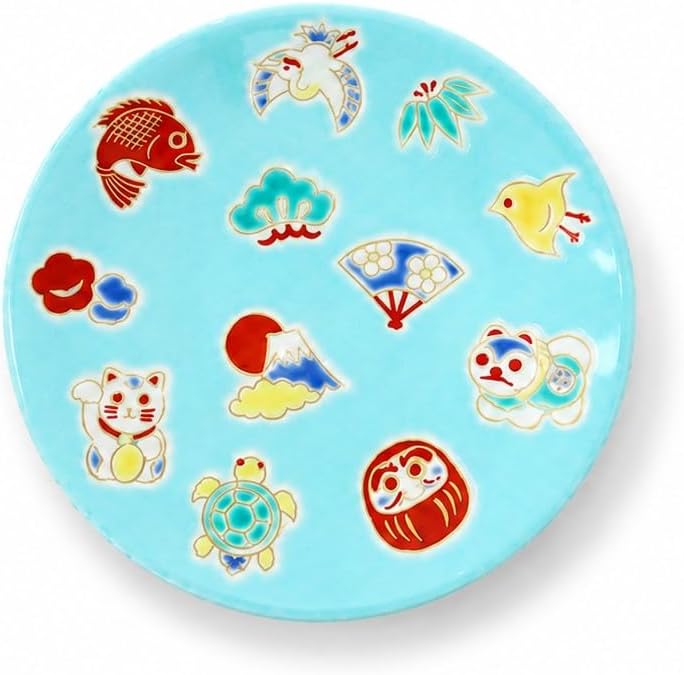
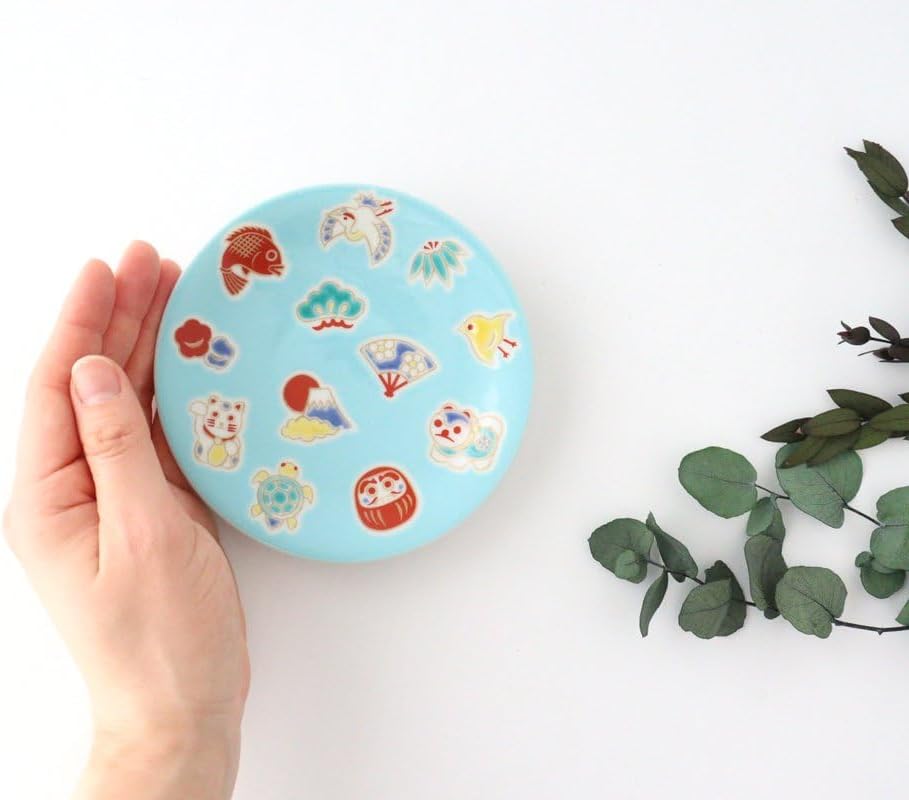
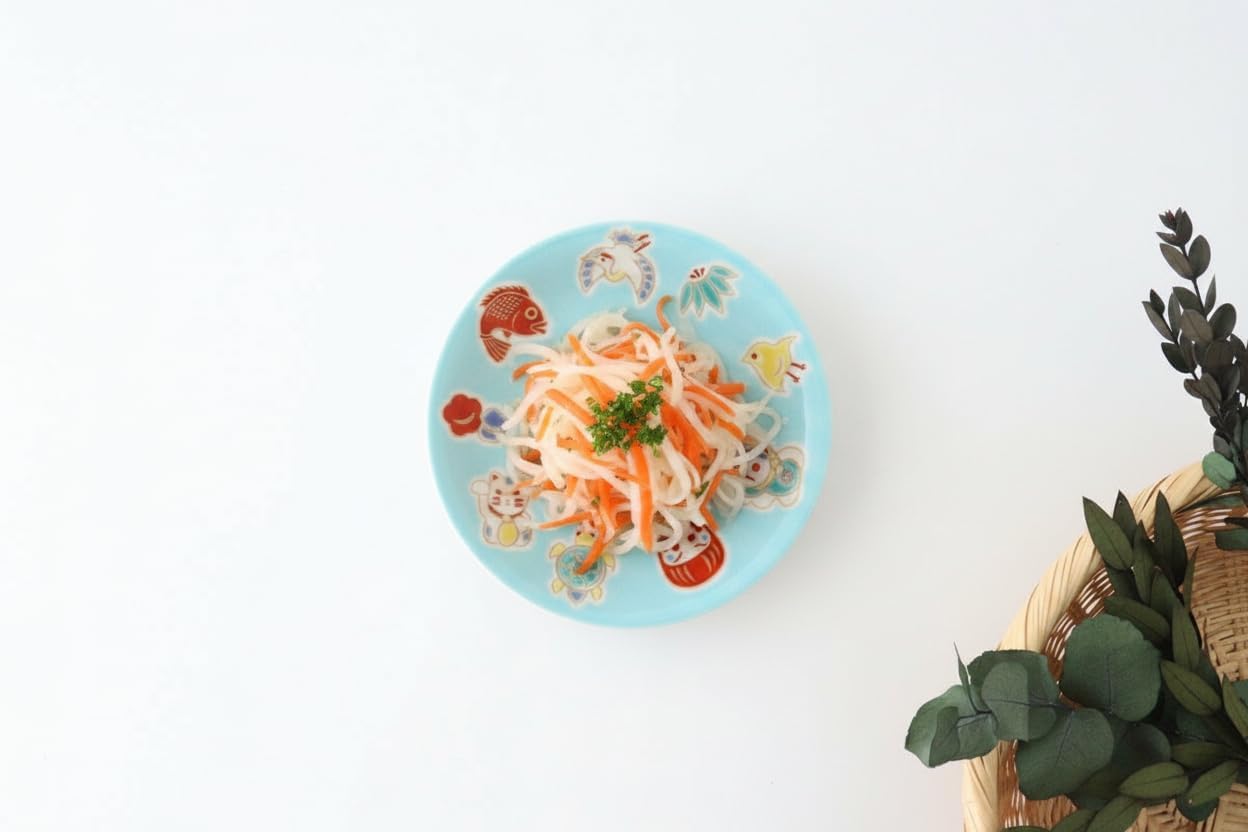
This small plate is the everyday option. The listing gives a diameter of 4.7 inches (120 mm), a height of 0.8 inches plus a weight of about 95 g. In Japan a plate this size is a kozara, used for pickles, a side dish, a sweet or soy sauce.
The turquoise ground is covered with classic good-luck symbols: a lucky cat, Mt. Fuji, a sea bream, a crane, a turtle plus a daruma. The colors follow the bright overglaze look Kutani is known for. It is a cheerful plate that also works as a small gift.
Its big advantage is care. The listing states that it is microwave plus dishwasher safe, which is rare for Kutani. If you want to use painted Japanese porcelain every day without worrying, this is the easiest place to start.
The downside is a thin track record. It is a new listing with only 3 reviews, all 5 stars, so there is no reliable review pattern yet. Check that the pattern shown in the order options is the one you want, since the same plate is offered in other designs.
Compare the Three
| Point | Gold Plum Teacup | Rabbit Matcha Bowl | Lucky Motif Plate |
|---|---|---|---|
| Type | Yunomi (tea cup) | Chawan (matcha bowl) | Kozara (small plate) |
| Size (listing) | 4.2 in tall, 200 ml | 2.6 in tall, 4.3 in wide | 4.7 in wide, 95 g |
| Decoration | Plum plus gold waves | Rabbits plus gold moon | Lucky symbols |
| Microwave / dishwasher | No microwave (gold) | Hand wash advised (gold) | Both OK per listing |
| Rating on Amazon.com | 4.7 (192 reviews) | 4.8 (536 reviews) | 5.0 (3 reviews) |
| Gift box | Standard packaging | Wooden box | Not stated |
| Price (Nov 2026) | About $36 | About $52 | About $19 |
Pick the Gold Plum Teacup if you drink green tea daily plus want one beautiful cup. Wash it by hand plus it will last for years.
Pick the Rabbit Matcha Bowl for a gift. The wooden box, the moon-viewing motif plus the long review record make it the safest present of the three.
Pick the Lucky Motif Plate if you want Kutani colors on the table every day. It is the cheapest plus the only one the listing calls dishwasher safe. For plainer daily plates, see our Mino ware small plates guide. For sturdy rice bowls, see our Hasami ware bowls comparison.
Buyer’s Considerations
Check “Made in Japan” in the listing. Kutani is a regional name, so look for Ishikawa or Kutani in the description plus a maker or brand name. All three pieces here state Made in Japan on Amazon.com.
Expect small differences. Kutani is painted by hand or with hand-finished transfers. Line weight plus color can vary slightly from the photos.
Use soft sponges. Overglaze enamels sit on top of the glaze. Avoid abrasive pads plus harsh scrubbing, especially on gold lines.
Summary
Kutani ware is Japan’s painted porcelain, made in Ishikawa since the 1600s plus known for its five bold colors. For a first piece, choose the gold plum teacup for daily tea, the rabbit matcha bowl for a gift or the lucky motif plate for everyday meals.
FAQ
Is Kutani ware microwave safe?
Usually not if it has gold or silver decoration, because metal can spark. Some modern Kutani pieces are made for daily use plus are labeled microwave safe. Always follow the listing.
What are the five Kutani colors?
The Kutani gosai are green, yellow, red, purple plus Prussian blue. Not every style uses all five. Yoshidaya style, for example, leaves out red.
How is Kutani different from Arita (Imari) ware?
Both are Japanese porcelain. Arita is from Saga Prefecture in Kyushu plus is often known for blue-and-white or red-and-gold designs. Kutani is from Ishikawa plus is known for thick, glossy overglaze enamels in bold colors.
Is Kutani ware worth the price?
For a gift or a special cup, yes. You pay for hand painting plus a regional craft tradition. For everyday plates that see the dishwasher, plainer Japanese ware is usually better value. Prices on Amazon.com change often, so check the current listing before you buy.