vs-navi.online is a participant in the Amazon Services LLC Associates Program. Purchases made through links on this page may earn us a commission at no extra cost to you.
A bowl of white rice held in one hand, chopsticks in the other. In Japan that bowl is very often Hasami ware, the plain, sturdy porcelain that fills ordinary kitchen cupboards rather than museum cases.
Hasami is a small town in Nagasaki Prefecture with more than 400 years of porcelain making behind it. For most of that time its pieces were sold under other names. Today the town brand is easy to find on Amazon.com, but the listings mix true everyday bowls with gift sets.
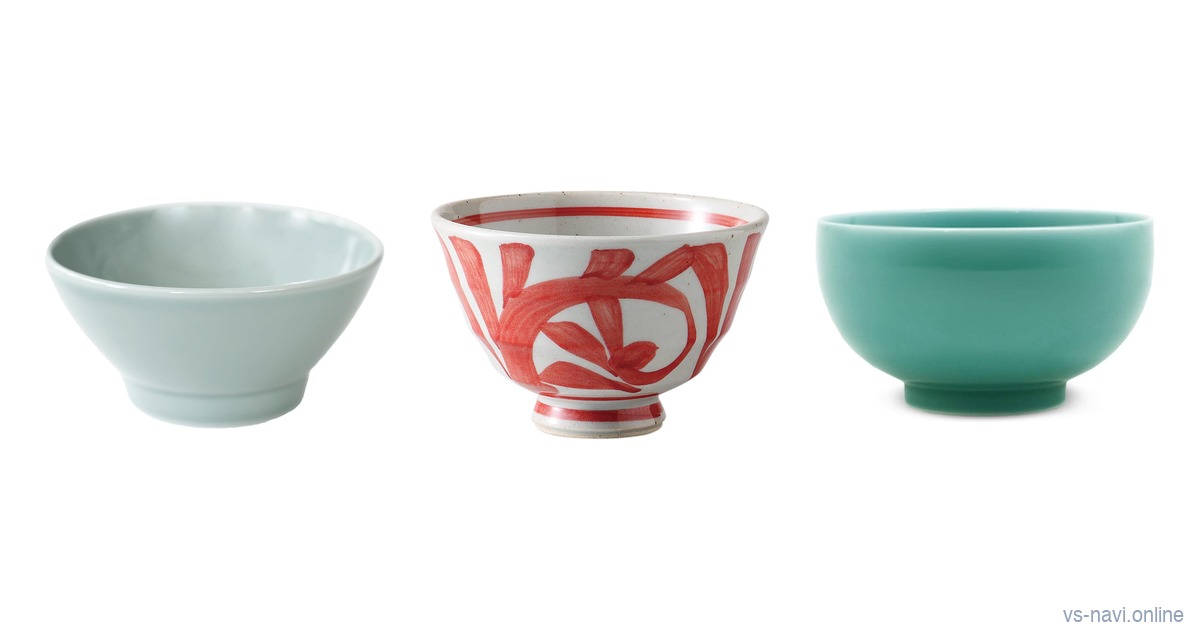
We compared three Made-in-Japan Hasami ware bowls on maker information, published specifications plus current Amazon.com listings: a modern rice bowl, a light patterned rice bowl and a large donburi for noodles. This is a desk comparison, not a hands-on kitchen test.
Our Pick: Which Hasami Ware Bowl Is Best for You
All three showed a live price with stock available when we checked Amazon.com in October 2026.
- Saikai Common Rice Bowl (Gray, 12 cm) — about $29. A clean, modern shape that stacks well. The pick if you want a daily rice bowl that also works for yogurt, salad or soup.
- Saikai Lightweight Rice Bowl (Red Arabesque) — about $27. A traditional hand-painted look at only 130 g. The pick for children, older family members or anyone who wants a classic Japanese pattern.
- Hakusan 6-Inch Deep Noodle Bowl (Celadon, 18 cm) — about $17. A big 1,500 ml donburi from one of Hasami’s best-known makers. The pick for ramen, udon or rice bowls topped with katsu.
If you are buying only one, start with the Hakusan noodle bowl. It is the cheapest of the three yet fills the gap most Western cupboards have: a deep bowl sized for a full serving of noodles with broth.
Planning to make rice the Japanese way at home? Our guide to the best Japanese rice washing bowl plus zaru covers the step before the rice reaches the bowl.
What Makes Hasami Ware Different
Hasami kilns began in the late 16th century. In the Edo period the town became known for kurawanka bowls: simple blue-painted porcelain cheap enough for ordinary people, sold even to travelers eating on river boats.
Because its goods shipped through nearby Imari port, then by rail from Arita, Hasami porcelain was long sold as Imari or Arita ware. When Japan tightened regional origin labeling in the early 2000s, Hasami makers began selling under their own name. The town is still built around everyday tableware: durable, dishwasher-friendly porcelain at a fair price.
That is the honest promise of all three bowls below. They are not art pieces. They are well-made porcelain meant to be used three times a day.
Saikai Common Rice Bowl, Gray (Around $29 on Amazon)
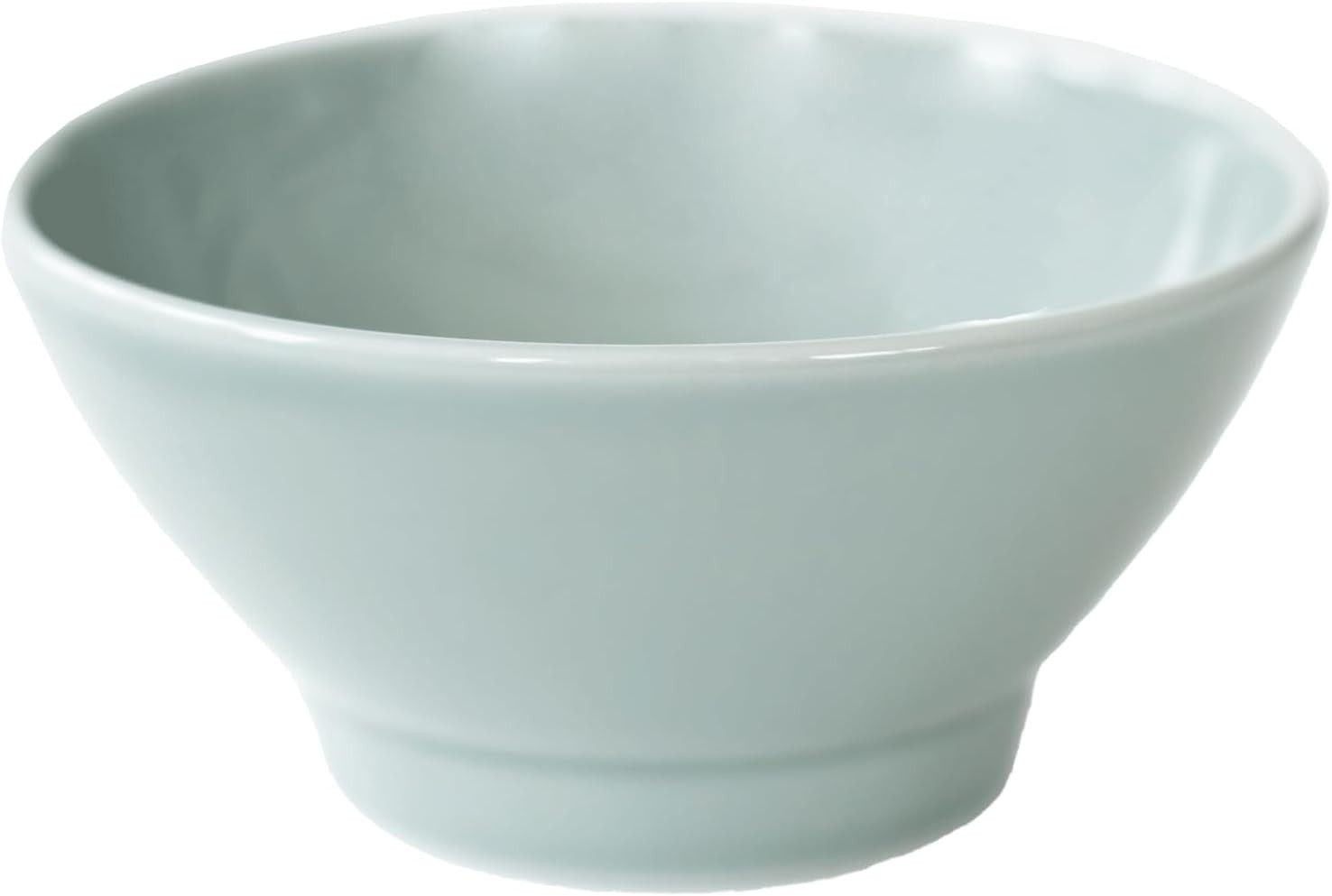
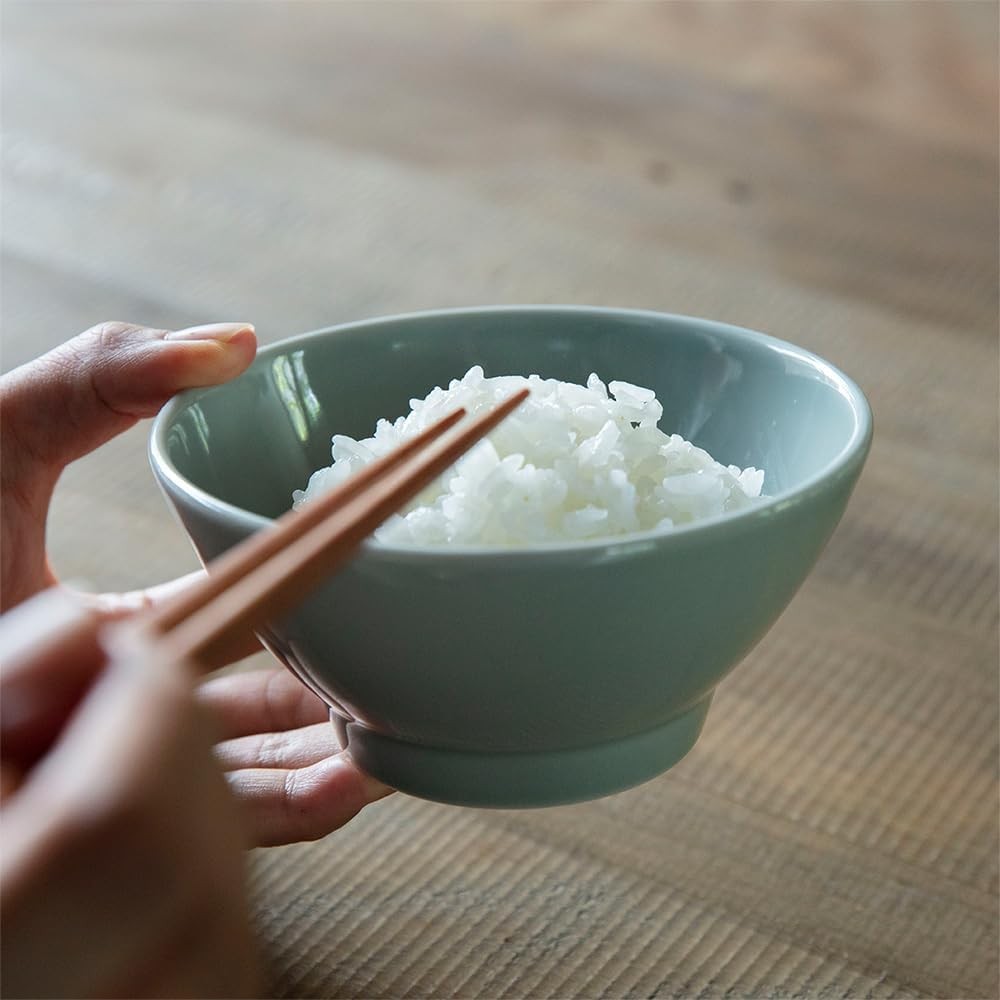
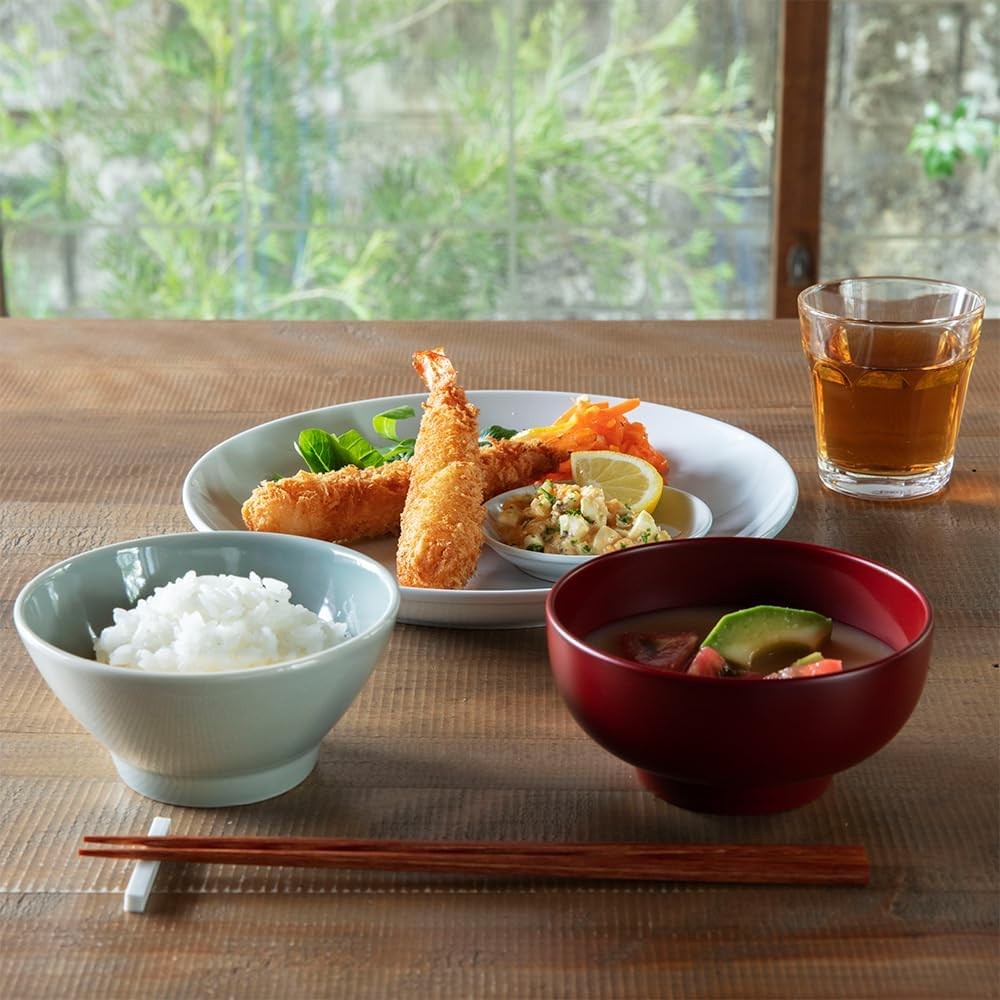
Common is a range of plain, slightly matte porcelain in soft colors such as white, gray, yellow plus navy. The rice bowl is about 12 cm across and 5.5 cm tall with a 300 ml capacity. At 180 g it feels solid without being heavy.
The shape is the reason to buy it. The wide, flared rim leaves room for chopsticks. The tall foot ring gives your fingertips something to hold. Several bowls stack neatly, which matters in a small kitchen.
The brand in Japan: Saikai Toki (Saikai Pottery) began in 1946 as a pottery peddler in Hasami. It was incorporated in 1957 and is now one of the town’s largest trading houses, with about 40% of sales overseas. The Common line was designed by product designer Yota Kakuda as a deliberately anonymous base piece. Saikai also runs the HASAMI PORCELAIN brand known in design shops abroad.
The downside is size. At 300 ml it is a true Japanese rice bowl, smaller than the cereal bowls most Americans own. It is microwave plus dishwasher safe. It holds around a 4.4 out of 5 rating on Amazon.com, though from a small number of reviews.
Best for: anyone who wants a quiet, modern bowl that matches Western dinnerware as easily as Japanese plates.
Saikai Lightweight Rice Bowl, Red Arabesque (Around $27 on Amazon)
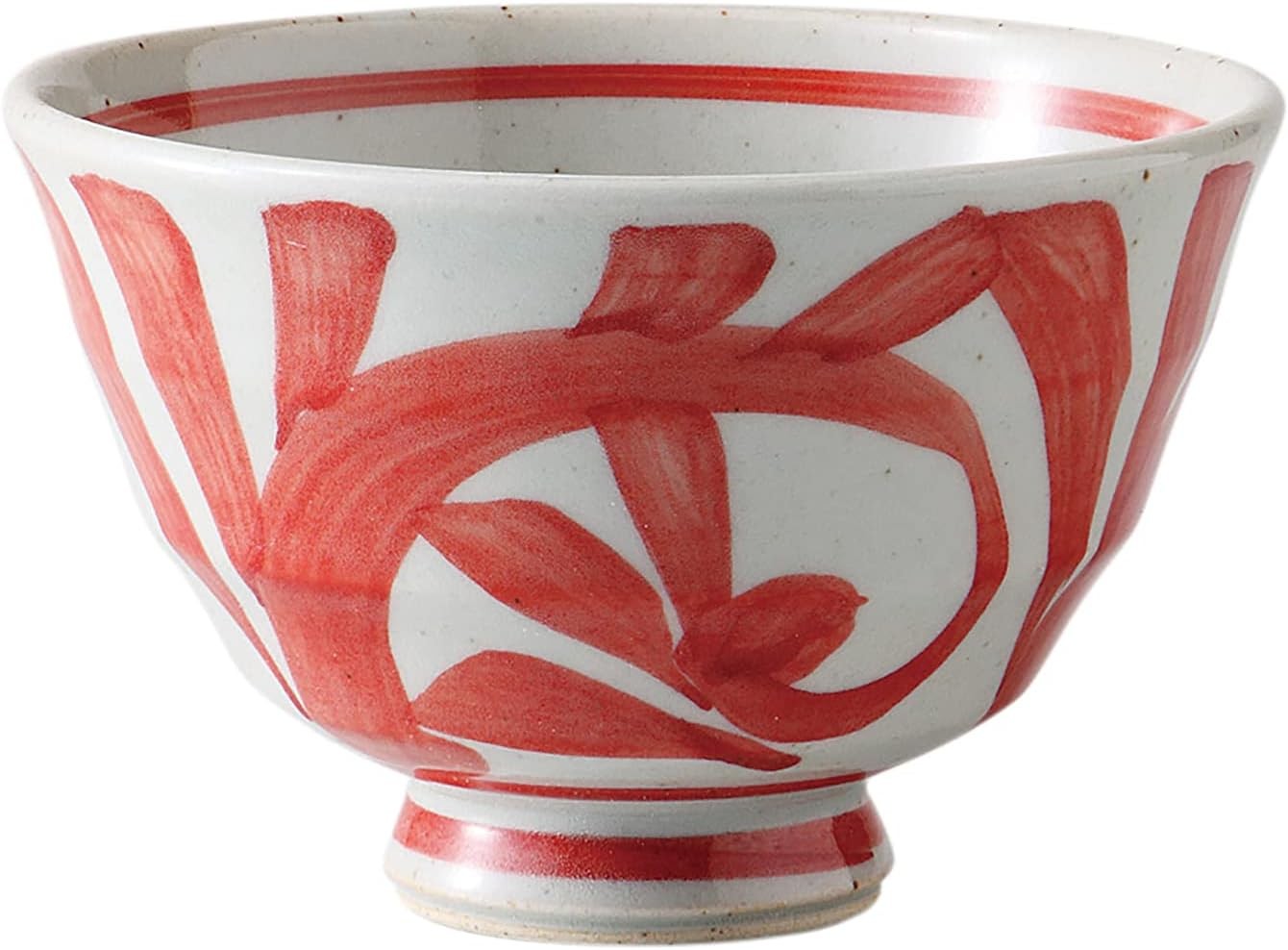
This small bowl takes the opposite approach to Common. Its broad red karakusa pattern runs over a white body with red bands at the rim plus foot, a look that has decorated Japanese rice bowls for centuries.
The headline number is weight. It is listed at about 130 g, roughly 50 g lighter than the Common bowl, while holding about 325 ml. It measures about 11 cm across and 7 cm tall, a deeper cup shape that keeps rice warm a little longer.
Light rice bowls are a real category in Japan, made for children learning to hold a bowl plus for older people with weaker wrists. If you eat rice every day, the gram difference adds up at every meal.
The trade-off is that Saikai sells this pattern as a single bowl at a price close to the Common bowl. Stock is also thin: only a few were left when we checked. Its Amazon rating sits around 4.1 out of 5 from very few ratings, so treat it as a style choice more than a proven bestseller.
Best for: a gift, a child’s first proper rice bowl or anyone who wants a traditional pattern on the table.
Hakusan 6-Inch Deep Noodle Bowl, Celadon (Around $17 on Amazon)
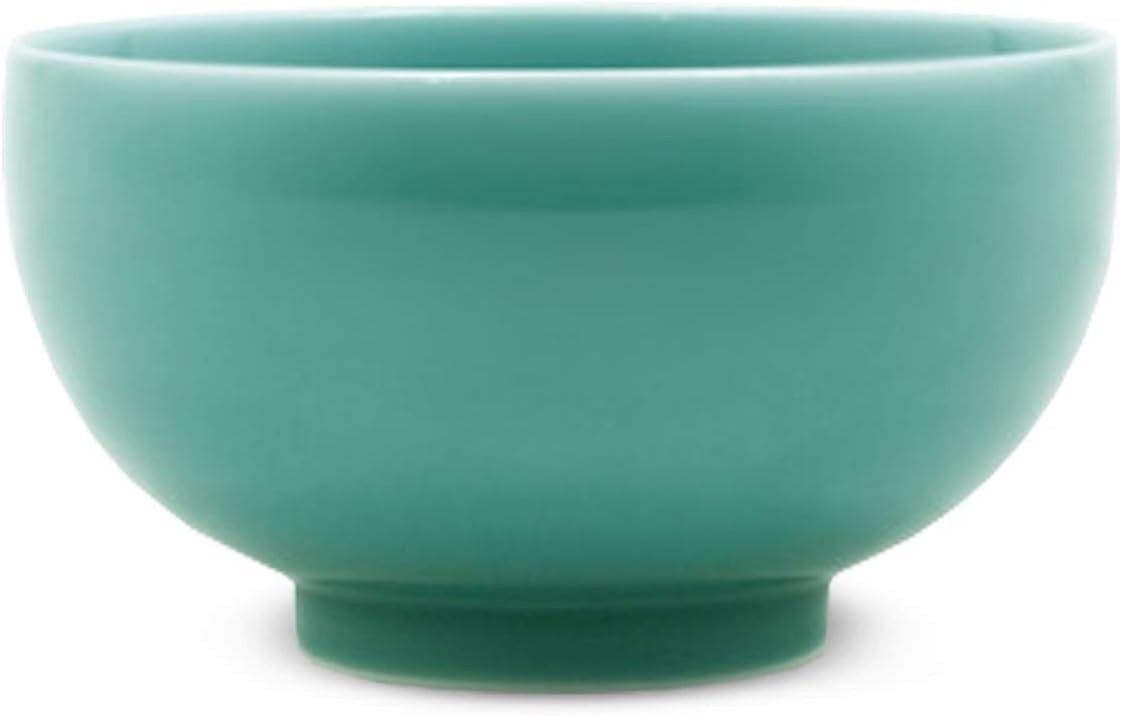
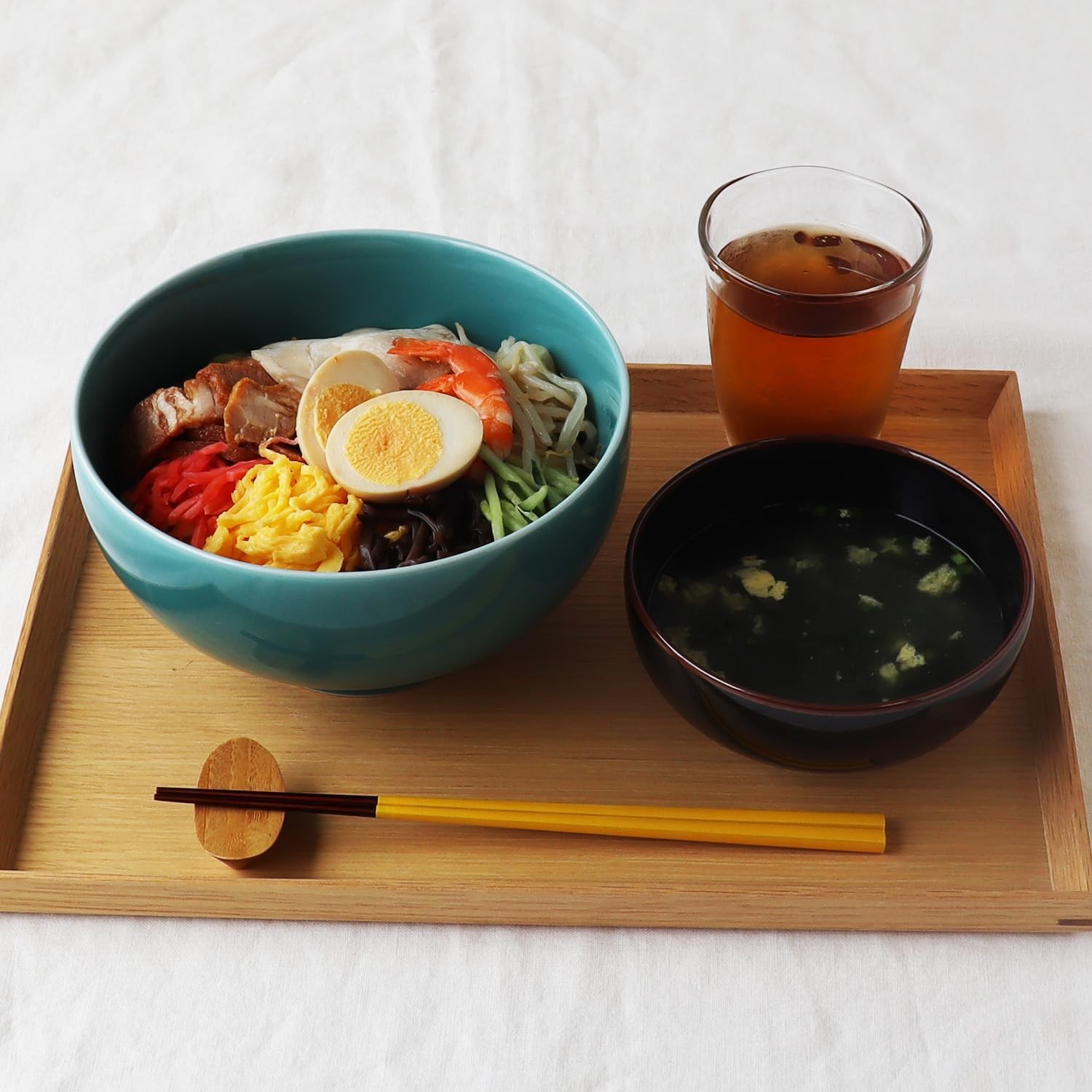
This is the classic Japanese donburi: about 18 cm across, 9.5 cm deep plus about 1,500 ml to the brim. That is enough for a restaurant-size bowl of ramen with broth, or rice topped with tonkatsu and egg.
The celadon glaze is a soft blue-green that makes noodles plus vegetables look fresh. Hakusan says the bowl is fired at around 1,300°C, giving a hard, dense porcelain that it recommends for both home and restaurant use. It weighs about 890 g, so it feels stable on the table.
The brand in Japan: Hakusan Porcelain is one of Hasami’s best-known makers. Its G-type soy sauce bottle, designed by Masahiro Mori in 1958, is still in production. Mori went on to win the Good Design Award more than 100 times. Hakusan pieces are a standard sight in Japanese design shops.
The catch is that Amazon listings for this bowl are confusing. The title mentions both black plus celadon, while the main photo shows celadon. Check the color shown at checkout before you order. It holds about 4.6 out of 5 from roughly 155 ratings, the most reviews of the three.
Best for: ramen, udon, soba in hot broth plus big rice bowl dishes.
Cooking the noodles too? Long saibashi cooking chopsticks are what Japanese cooks use to lift them from the pot.
Compare the Three
| Saikai Common | Saikai Lightweight | Hakusan Noodle Bowl | |
|---|---|---|---|
| Price (approx.) | $29 | $27 | $17 |
| Type | Rice bowl | Rice bowl | Donburi / noodle bowl |
| Size | 12 x 5.5 cm | 11 x 7 cm | 18 x 9.5 cm |
| Capacity | 300 ml | 325 ml | 1,500 ml |
| Weight | 180 g | 130 g | 890 g |
| Look | Modern, plain gray | Traditional red pattern | Celadon glaze |
| Amazon rating | About 4.4 (few reviews) | About 4.1 (very few) | About 4.6 (~155) |
For a first Japanese bowl, the Hakusan noodle bowl gives the most use for the least money. For everyday rice, choose by style: the Common bowl if your table is modern, the lightweight bowl if you want a classic pattern or a lighter bowl for small hands.
Many Japanese homes own both kinds: small rice bowls for each person plus a few large donburi for noodle nights. Buying one rice bowl plus one Hakusan bowl covers both jobs for under $50.
Making rice balls with the leftovers? See our picks for onigiri molds plus rice tools.
Summary
Hasami ware is Japan’s everyday porcelain: sturdy, fairly priced plus made to be used daily. The Hakusan noodle bowl is the best value, the Saikai Common bowl is the modern daily rice bowl, while the lightweight bowl suits anyone who wants a traditional pattern in a lighter piece.
FAQ
Is Hasami ware the same as Arita ware?
No. They are neighboring porcelain towns. Hasami pieces were long shipped under the Imari or Arita name, but since origin labeling was tightened in the early 2000s, Hasami sells under its own name. Hasami is known more for everyday tableware.
Is Hasami ware microwave plus dishwasher safe?
Most plain Hasami porcelain is. The Saikai Common bowl is listed as both microwave plus dishwasher safe. Pieces with gold or silver trim should never go in the microwave, so always check the listing.
What size is a Japanese rice bowl?
A typical Japanese rice bowl is 11 to 12 cm across with 250 to 350 ml capacity, smaller than a Western cereal bowl. A donburi for noodles or topped rice is usually 16 to 18 cm across.
Why is a single Japanese rice bowl so expensive on Amazon?
Many listings are imported by sellers shipping from Japan, so the U.S. price is often two to three times the Japanese shop price. Larger sets or multi-packs usually offer better value per bowl.
Prices along with ratings were checked on Amazon.com in October 2026. Prices change often, so check the current price on Amazon before buying.