This article contains affiliate links (we may earn a commission).
Two heavy pots can carry a winter kitchen. One is the clay donabe that comes to a Japanese table already bubbling with hot pot, everyone reaching in with chopsticks. The other is the cast iron Dutch oven you probably already own, the one that turns a cheap cut of beef into a fork-tender braise after three quiet hours in the oven.
They can look like rivals for the same shelf, yet they were built for almost opposite jobs. A donabe wants a live flame plus a table full of people. A Dutch oven wants a low oven plus time.
Drawing on published reviews and manufacturer specifications, this guide compares the Ginpo Banko ware donabe against the Staub cast iron cocotte — how each one heats, what it does best, the honest downsides, plus which heavy pot actually belongs in your kitchen for 2026. Both are easy to find on Amazon.
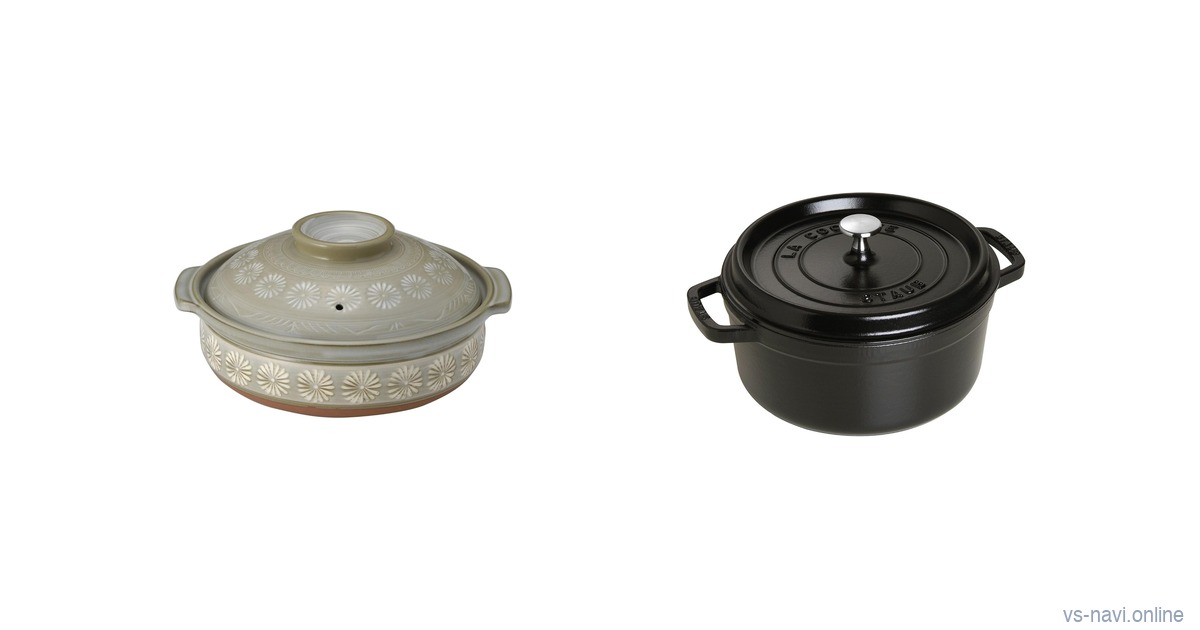
Donabe or Dutch Oven: Which Should You Pick?
Here is the short answer before the detail. Choose the Ginpo donabe if you cook on gas plus you want a pot that goes from stove to table for hot pot, rice, plus steaming, all with a gentle heat that treats delicate food kindly. Choose the Staub Dutch oven if you want one nearly indestructible pot that sears, braises, plus bakes bread on any heat source, including induction plus a hot oven.
They are not close in price. The Ginpo No.8 clay pot runs around $60 on Amazon, while a 4-quart Staub cocotte sits closer to $330 — a serious tool priced like one. Many kitchens end up with both because they simply do different work. If you can only add one this year, the rest of this guide tells you which fits how you actually cook.
Ginpo Hana Mishima Donabe (Around $60 on Amazon)
Banko ware clay · direct gas flame · serves 3–4 · not induction · imported, so prices vary
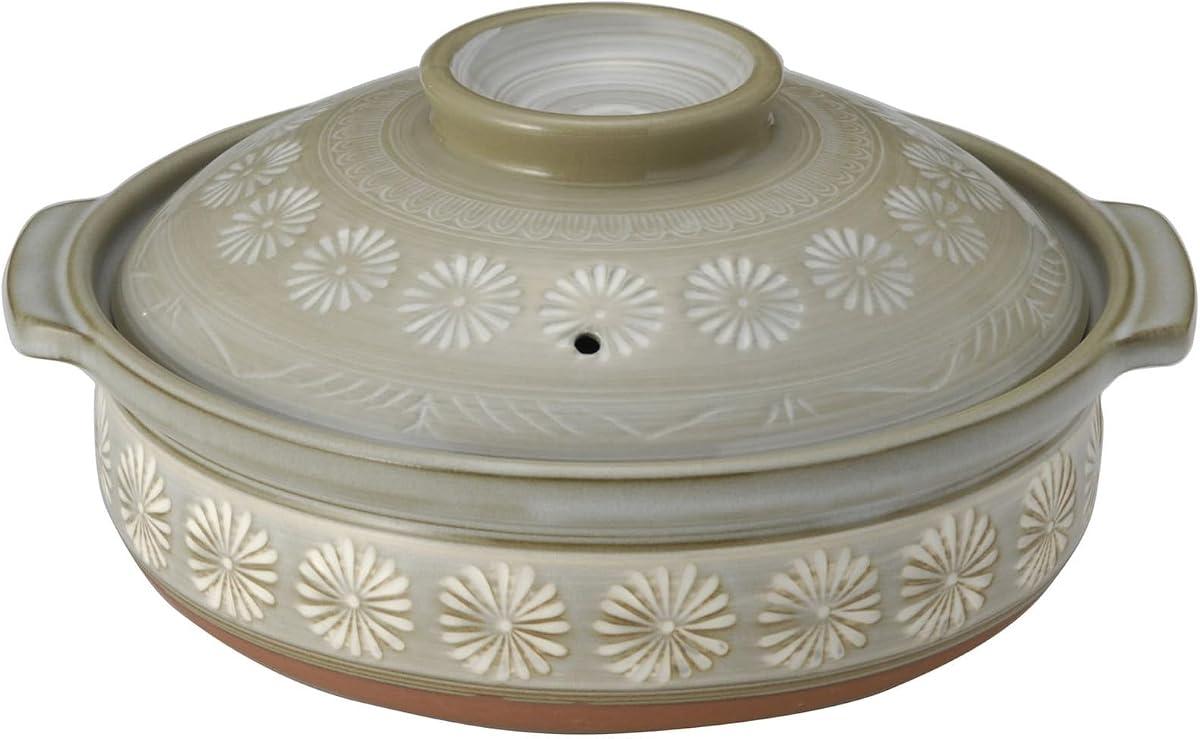
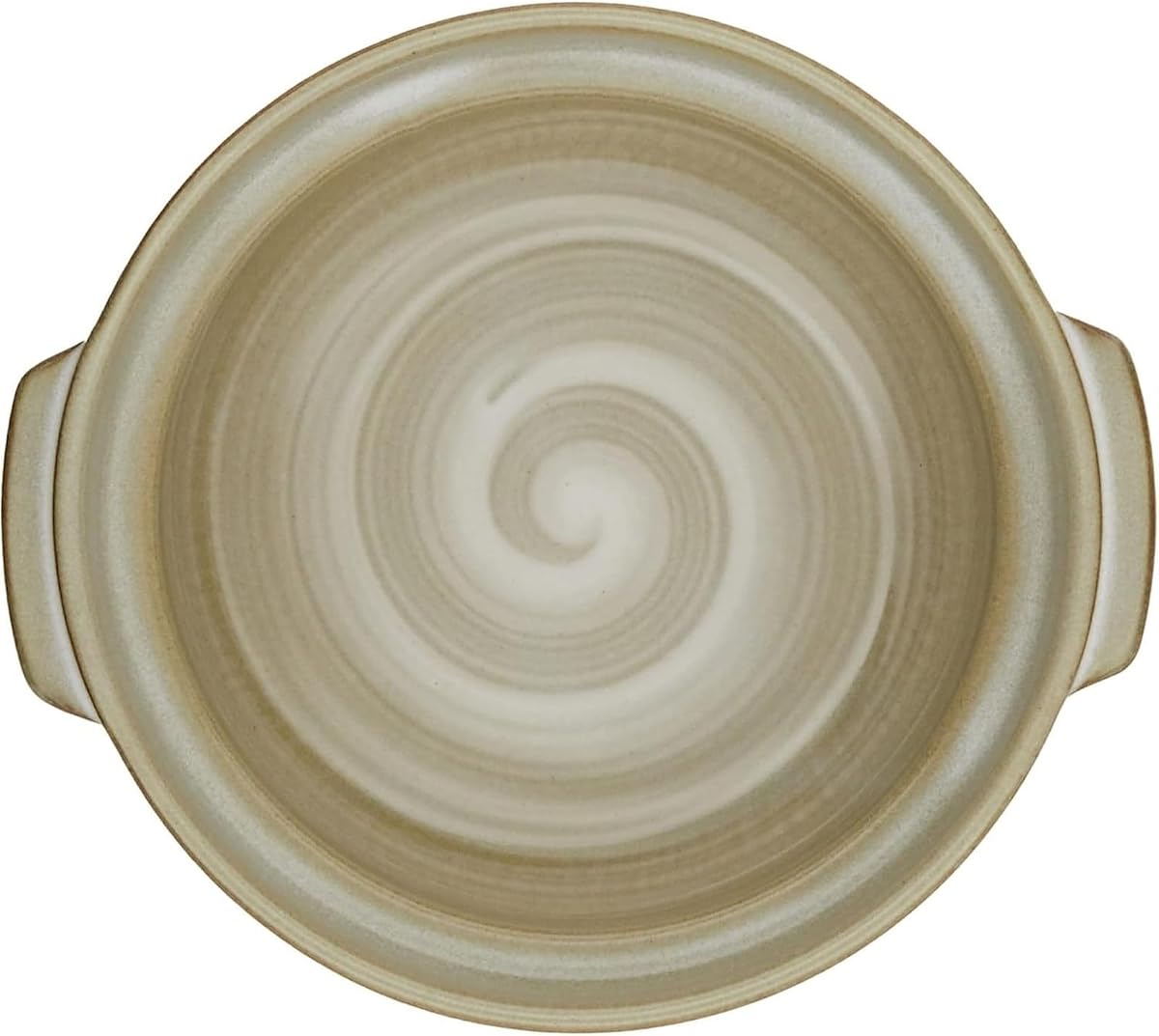
Ginpo (銀峰陶器) makes its pots in Yokkaichi in Mie Prefecture, the heart of Banko ware (万古焼). That single region turns out roughly 80 percent of every donabe made in Japan, so this is not a boutique curiosity — it is the mainstream Japanese hot-pot pot, the kind found in ordinary home kitchens across the country.
The trick that lets a clay pot sit on a live flame is a mineral called petalite blended into the Banko clay. It gives the fired body enough thermal-shock resistance to take direct gas heat without cracking, which is exactly why a donabe can go straight onto the burner where most earthenware would fail.
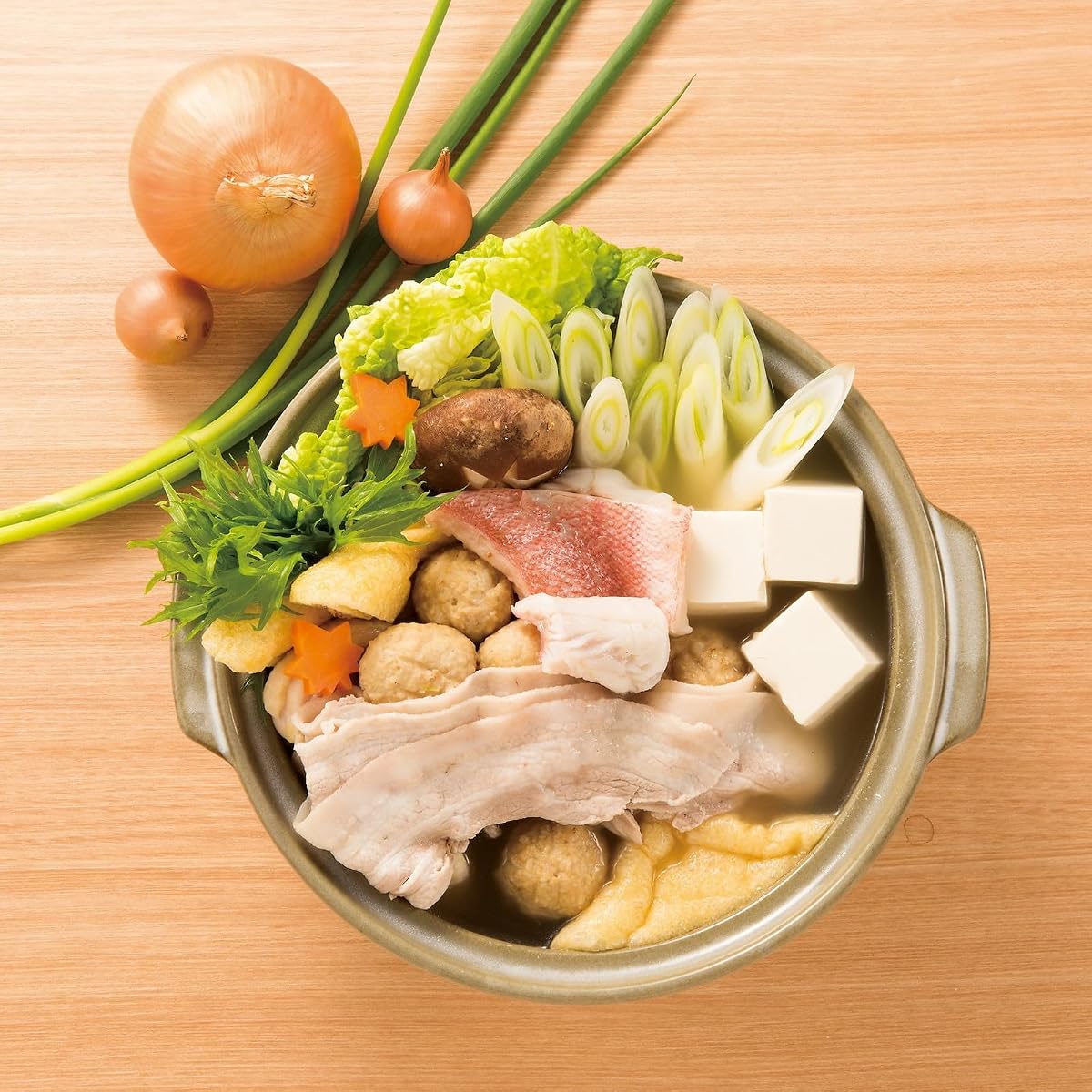
Clay heats slowly plus holds warmth, radiating a soft, even far-infrared heat rather than the harsh blast of metal. For a nabe hot pot that is the whole point: broth stays at a coaxing simmer, tofu plus fish hold their shape, plus the pot keeps everything hot at the table long after the flame is off. It cooks rice beautifully for the same reason.
The honest downsides are real. A donabe is fragile fired clay — drop it or hit it with cold water while hot plus it can crack. It will not work on an induction cooktop, it dislikes empty high-heat searing, plus a new pot wants a quick seasoning with rice porridge to seal the base before first use. This is a specialist, not an everyday workhorse.
It suits the cook with a gas or portable burner who loves communal hot pot, wants restaurant-grade rice, plus enjoys owning a genuine piece of a 400-year Japanese craft. For a fuller look at this exact pot, see our Ginpo donabe review.
Staub 4-Qt Round Cocotte (Around $330 on Amazon)
Enameled cast iron · any heat source incl. induction · oven-safe · serves 3–4 · imported, so prices vary
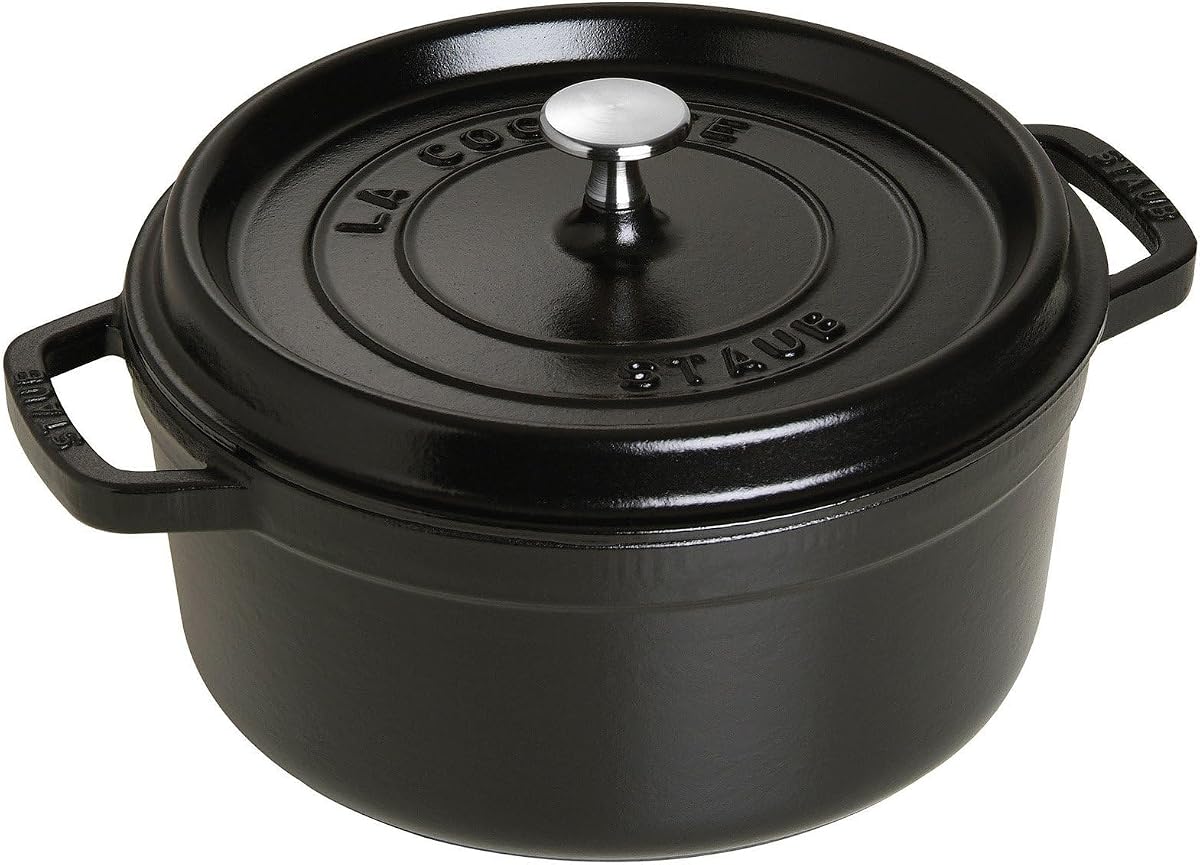
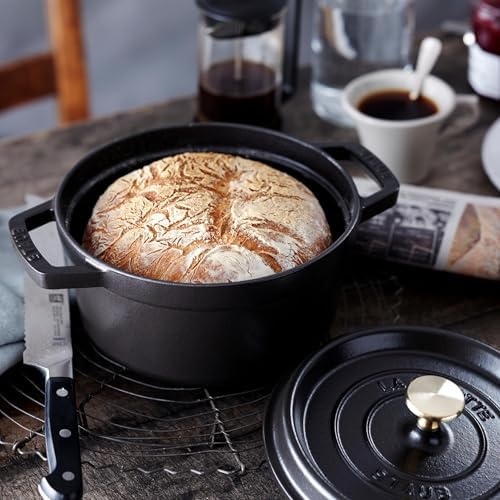
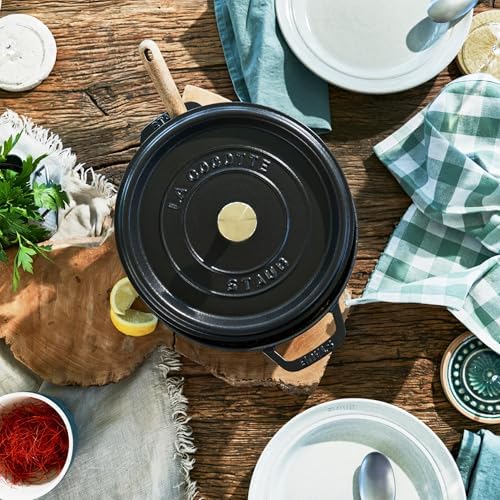
Staub is a French brand from Alsace, founded by Francis Staub in 1974 plus now part of the German Zwilling group. In Japan it sits alongside Le Creuset as an aspirational imported cocotte, sold through department stores plus prized by home cooks — the same shelf where you will find Japan’s own precision answer, the Vermicular.
The body is enameled cast iron: heavy, dense, plus almost indestructible. That mass is the feature. It stores a huge amount of heat, so it sears meat hard, then holds a rock-steady low temperature through hours of braising with barely any attention. The dark matte enamel inside is built for browning rather than the glassy cream enamel of some rivals.
Two Staub signatures earn their keep. The lid is heavier than most plus studded with small spikes on the underside, so rising steam condenses plus rains back down over the food — self-basting, in the brand’s language. It also works on every heat source there is, induction included, plus goes straight into a hot oven, which is where the bread magic happens.
The catch is weight plus price. A 4-quart cocotte is genuinely heavy to lift full, which is hard on smaller wrists, plus at around $330 it costs several times what the donabe does. The enamel is tough but not invincible; sharp metal plus sudden knocks can chip it over the years.
It suits the cook who wants one lifetime pot for braises, stews, soups, plus crusty bread, cooks on any hob including induction, plus does not mind the heft or the outlay for something that should outlast the kitchen it lives in.
Donabe vs Dutch Oven: Compare the Two
These two pots are not really competing for the same job. The right pick comes down to one question: are you cooking hot pot plus rice over a flame at the table, or braising plus baking in an oven? This table lays out where each one wins.
| Ginpo Donabe | Staub Dutch Oven | |
|---|---|---|
| Material | Banko ware clay (petalite) | Enameled cast iron |
| Heat source | Gas flame only (no induction) | Any hob, induction, oven |
| Best at | Hot pot, rice, steaming | Searing, braising, bread |
| Heat character | Gentle, radiant, slow | Fierce sear, deep heat store |
| Durability | Fragile; can crack | Near indestructible |
| Weight | Moderate, easy to lift | Very heavy when full |
| Table-ready | Yes, made for it | Yes, but heavy |
| Approx. price | Around $60 | Around $330 |
| Best for | Gas cooks who love nabe | Braisers who want one forever pot |
Read the table one way plus the donabe wins on price, gentle heat, plus table charm. Read it the other way plus the Staub wins on versatility, durability, plus that induction-to-oven range. Neither is better in the abstract; they are tuned for different meals.
If your idea of a great winter night is a shared nabe over a portable gas burner, the donabe is the soul of that meal plus nothing else replaces it. If it is a slow beef stew or a weekend sourdough, the Staub does what clay simply cannot. For where these fit among other Japanese kitchen staples, our Japanese kitchen tools guide has the wider picture.
See the Ginpo donabe on Amazon → · See the Staub cocotte on Amazon →
The Verdict
Both pots earn their place, plus most keen cooks will eventually want one of each. Buy the Ginpo donabe if you cook on gas plus want the definitive tool for hot pot, rice, plus a warm communal table for well under a hundred dollars. Buy the Staub Dutch oven if you want one heirloom-grade pot that sears, braises, plus bakes bread on any heat source for decades.
If we had to hand a first-time buyer just one, it depends on the kitchen: gas cooks who love hot pot should start with the donabe, while anyone on induction or chasing braises plus bread should reach for the Staub.
Frequently Asked Questions
Can you use a donabe like a Dutch oven?
Not really. A donabe excels at hot pot, rice, plus gentle steaming over a gas flame, but it is not built for the hard searing or long oven braising a Staub handles. Clay heats slowly plus dislikes empty high heat, so treat it as a specialist rather than a one-pot replacement.
Does a donabe work on an induction cooktop?
A standard clay donabe like the Ginpo does not work on induction, because clay is not magnetic. It needs a gas burner or a portable gas stove. If you cook only on induction, a cast iron Dutch oven such as the Staub is the practical choice, since it works on every heat source.
Why is a Staub so much more expensive than a donabe?
The Staub is enameled cast iron made in France, sand-cast plus enameled by hand, priced as a lifetime tool at around $330. The Ginpo donabe is mass-produced Banko ware clay at around $60. You are paying for very different materials plus manufacturing, not simply a better version of the same thing.
Is a donabe worth buying if I already own a Dutch oven?
Yes, if you like hot pot or want great rice. A donabe does the gentle, table-side, flame-simmered cooking a Dutch oven never quite matches, plus at around $60 it is an easy addition. They complement each other rather than overlap, which is why many kitchens keep both.
Is Ginpo a good donabe brand?
Ginpo is one of the best-known Banko ware makers in Yokkaichi, the region that produces most of Japan’s donabe. Its Hana Mishima pattern is a long-running bestseller in Japanese homes. It is a mainstream, trusted choice rather than a niche label, plus you can check current prices on Amazon.