This article contains affiliate links (we may earn a commission).
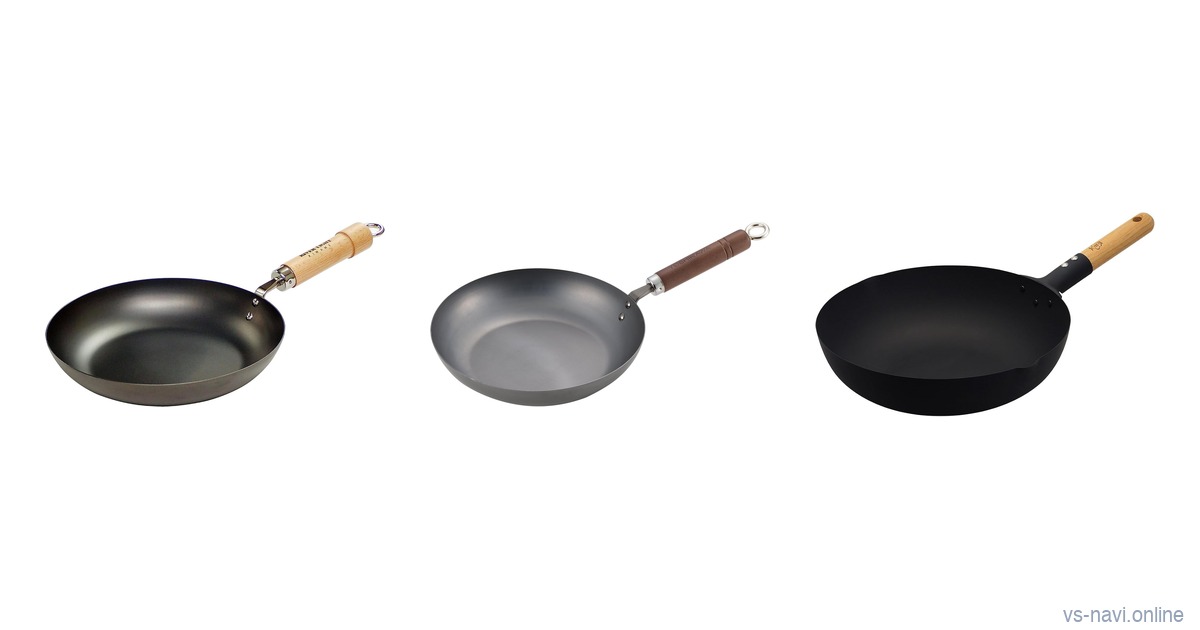
A steel pan comes to temperature fast, hisses the moment the food lands plus builds a sear that a nonstick skillet never quite matches. In Japan a plain iron frying pan is not a specialist tool — it is the everyday workhorse that families expect to keep for twenty years. The catch for a first-time buyer is that “Japanese carbon steel pan” hides three quite different philosophies.
One brand nitrides the iron so it barely rusts plus skips the scary burn-in ritual. One keeps the traditional blue-steel recipe that professionals have used for generations. One stamps a dimpled surface into the metal to speed heating plus fight sticking. They all cook beautifully, yet they suit very different cooks.
What ties them together is geography. All three come from the Tsubame-Sanjo metalworking district of Niigata, the region that supplies most of Japan’s kitchen ironware. Our editorial team tracks how these pans are actually chosen in Japanese homes, so below we compare three widely available picks — steady Amazon.com listings from 2025 into the 2026 season — to help you match a pan to your kitchen.
Which Japanese Carbon Steel Pan Should You Pick?
If you have never owned an iron pan plus the idea of seasoning worries you, buy the River Light Extreme Japan — its nitrided surface resists rust plus needs no burn-in. If you want the purest traditional carbon-steel experience at the lowest price, the Yoshikawa steel pan is the honest classic. If you cook over high heat every night plus want the fastest, least-sticky iron surface, the Takumi Japan Magma Plate is the technical standout.
Here is how each one earns its place.
River Light Extreme Japan (Kiwame) — around $90 on Amazon
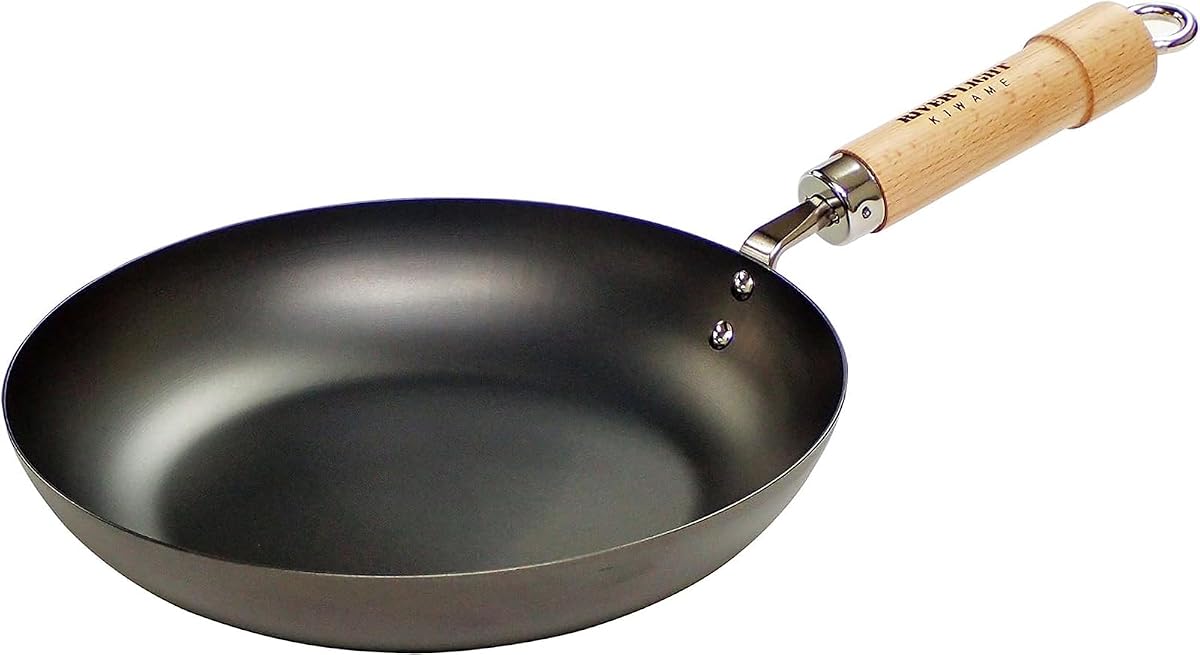
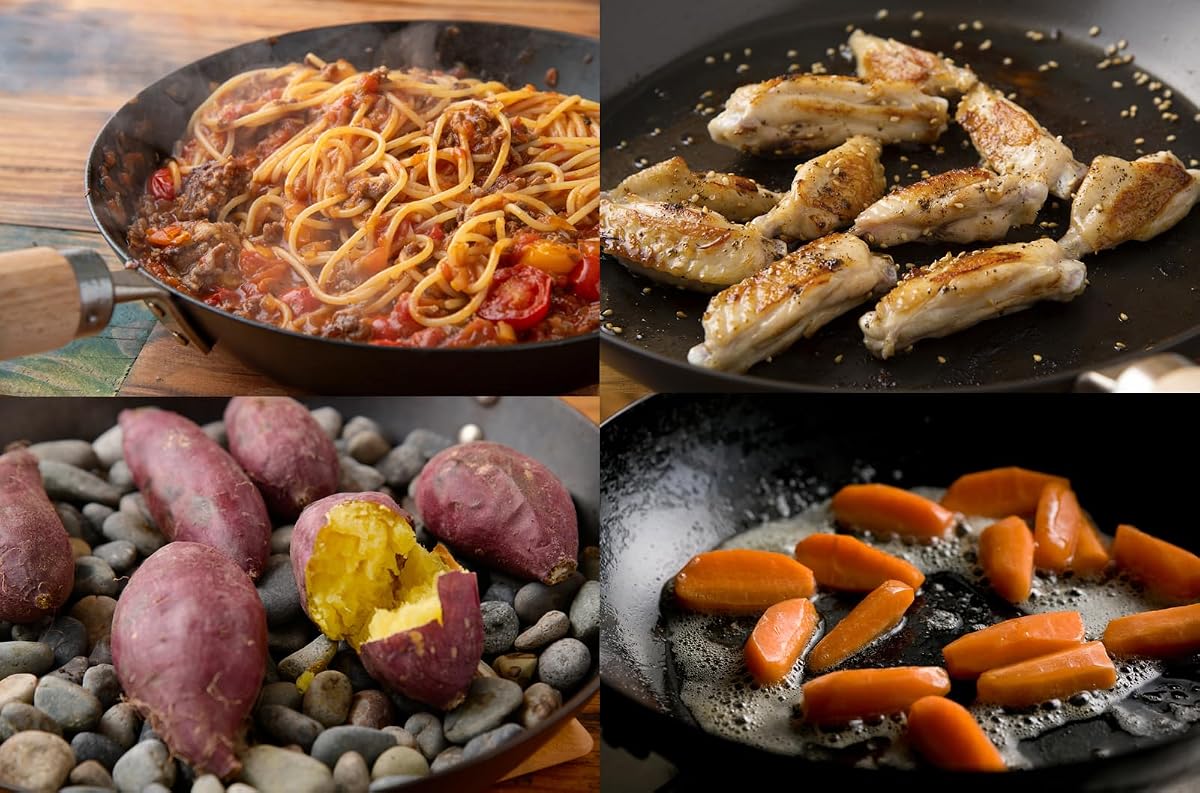
The Kiwame — sold overseas as “Extreme Japan” — is the pan that finally makes iron approachable. River Light treats the whole body with a nitriding process that hardens the surface plus makes it far more rust-resistant than ordinary steel. In plain terms, you skip the intimidating dry burn-in that plain iron demands plus you can wash it with a little more freedom without watching orange spots appear overnight.
River Light is a specialist ironware maker based in Sanjo, Niigata, at the heart of Japan’s metalworking belt. In Japan the Kiwame line is the pan most often recommended to people buying their first serious iron skillet, precisely because it removes the two things beginners fear: rust plus seasoning. The natural-wood handle unscrews for storage or replacement, a small touch that signals a pan built to be kept.
On the stove it behaves like proper iron — quick to heat, happy over high flame, induction compatible plus capable of a real crust on a steak or a clean flip of fried rice. It is also the heaviest-feeling of these three in the hand relative to its size, which is the price of that reassuring thickness. The honest limitation is cost: it is the most expensive pan here, a premium you are paying for low-maintenance peace of mind.
It suits the cook who wants iron performance without the ritual — someone stepping up from nonstick who would rather cook than fuss.
Yoshikawa Steel Fry Pan — around $45 on Amazon
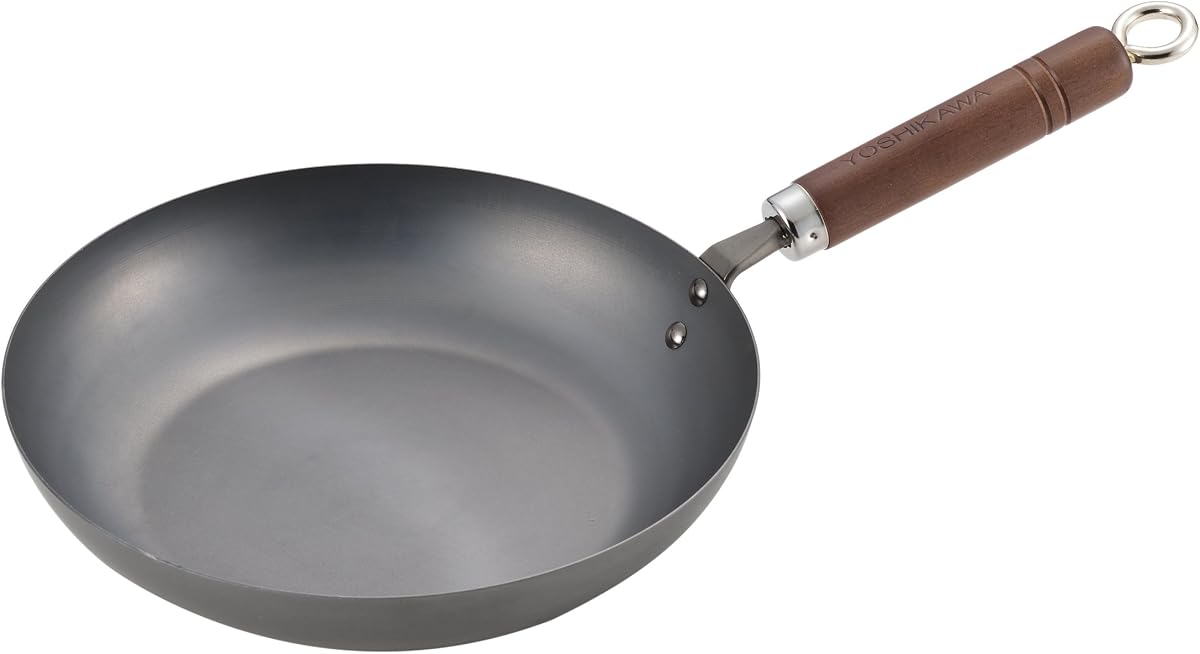
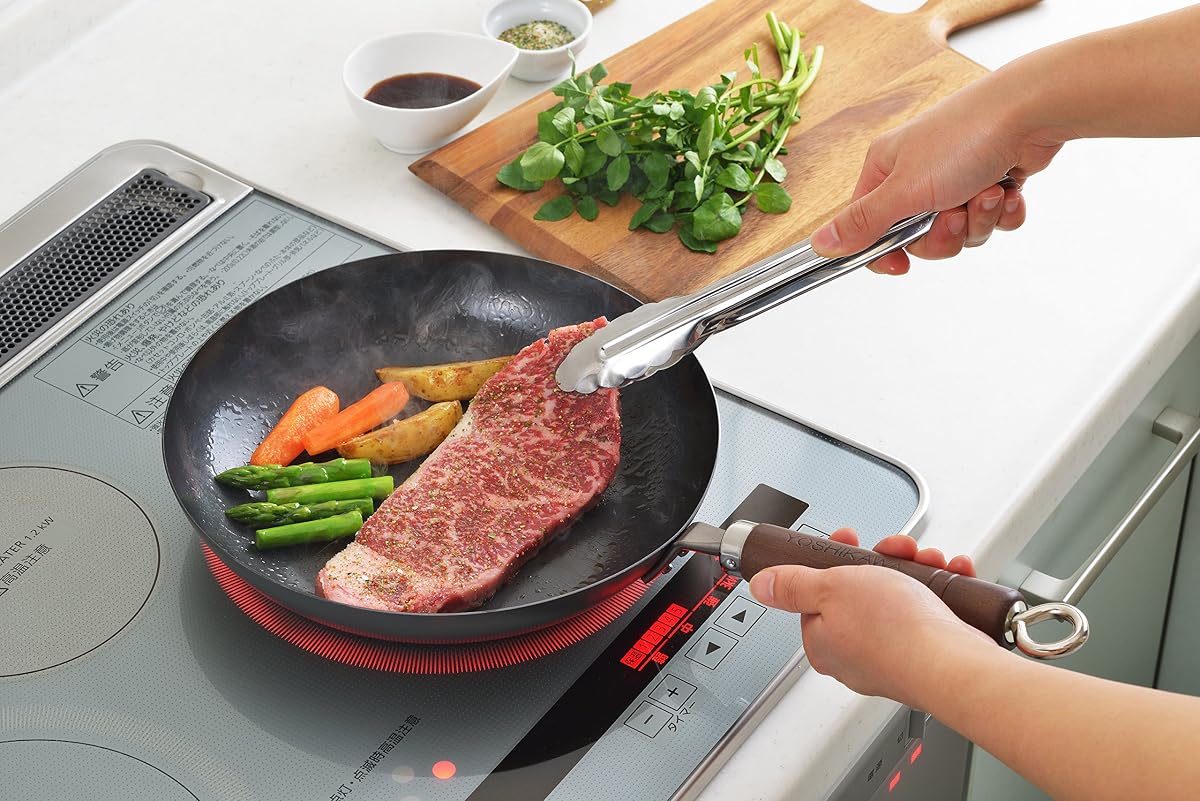
If the River Light is the modern, worry-free choice, the Yoshikawa is the traditionalist’s pan. It is a straightforward blue-tempered carbon steel skillet with a riveted wood handle plus a flat base that works on gas or induction. There is no clever coating plus no nitriding — just honest iron of the kind Japanese cooks have relied on for decades.
Yoshikawa is a Tsubame-Sanjo kitchenware maker from the same Niigata district, a name associated in Japan with sensible, affordable metal tools rather than luxury cookware. Buying one is a bit like buying a well-made everyday knife: unglamorous, dependable plus priced so that ordinary households actually use it. That accessibility is a real part of its appeal.
Because it is thinner plain steel, it heats fast plus responds quickly to a change in flame, which suits stir-fries plus quick weeknight cooking. It also takes a lovely nonstick patina once seasoned. The honest trade-off is maintenance: untreated carbon steel will rust if you leave it wet, so it needs the classic routine of drying on the heat plus a wipe of oil. Embrace that ritual plus it rewards you; forget it plus you will see spots.
It suits the cook who wants the genuine carbon-steel experience at the lowest entry price plus does not mind a little upkeep.
Takumi Japan Magma Plate — around $70 on Amazon
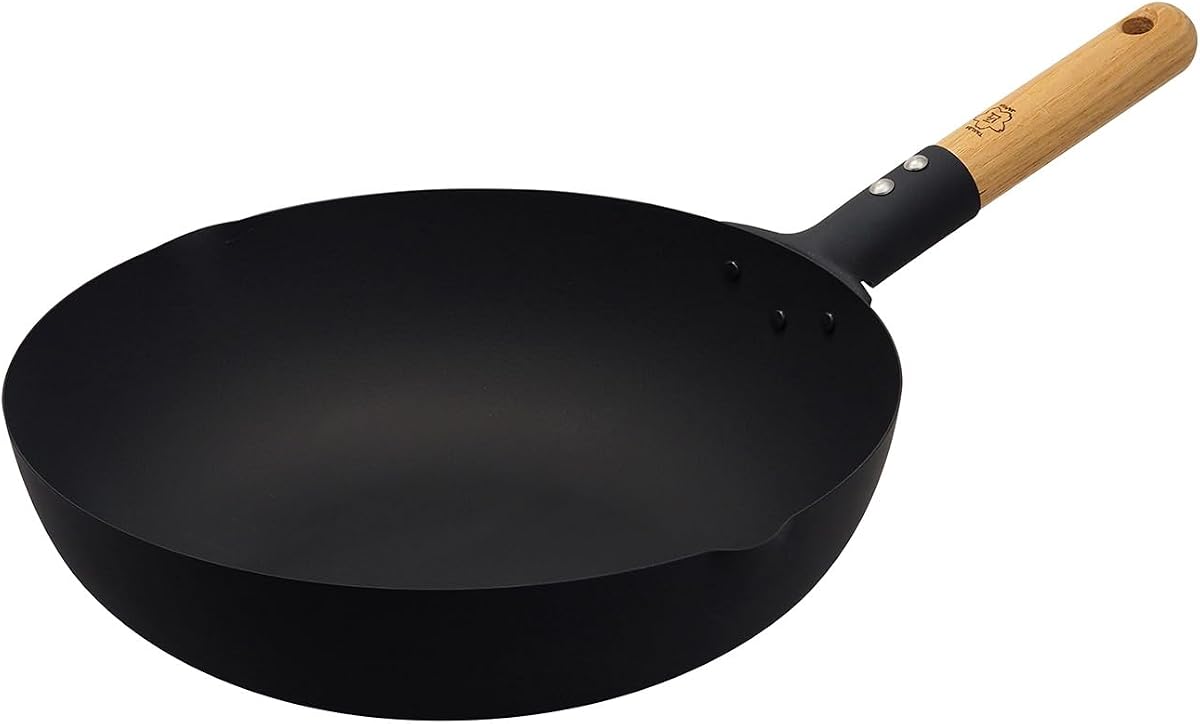
The Takumi Japan pan is the engineer’s answer to the same problem. Its “Magma Plate” is a proprietary steel surface stamped with fine dimples on both faces of the metal. That texture increases the surface area, which the maker says lets the pan hit cooking temperature faster plus helps a thin film of oil sit in the valleys so food is less likely to stick.
Takumi Japan is another Tsubame-Sanjo brand, part of the same Niigata cluster that gives all three pans their pedigree. Its pitch in Japan leans on two measurable claims: the dimpled plate reaches 200°C in about 39 seconds — quicker than a standard blue-steel pan at 41 seconds plus far ahead of coated aluminum at 141 — plus, being bare iron, it lets a little dietary iron leach into the food as you cook. For anyone who likes a spec sheet, this is the pan with numbers to point at.
In use it is a fast, aggressive searing pan that shines with stir-fries plus anything you want browned in a hurry. The 30 cm size reviewed here is generously large, so it is the pan to pick if you cook for a family or toss big batches. The honest caveats are two: it is still bare carbon steel, so it needs the same dry-plus-oil care as the Yoshikawa, plus that wide 30 cm face can overhang a small single burner. Match the size to your cooktop.
It suits the high-heat home cook who wants the quickest, least-sticky bare-iron surface plus does not mind seasoning it.
Compare the Three
| River Light Extreme Japan | Yoshikawa steel pan | Takumi Japan Magma Plate | |
|---|---|---|---|
| Material | Nitrided iron | Blue-tempered carbon steel | Dimpled Magma Plate steel |
| Size reviewed | 26 cm | 10 in (about 25 cm) | 30 cm |
| Rust resistance | Best (nitrided) | Needs care | Needs care |
| Seasoning / burn-in | Not required | Required | Required |
| Heat-up speed | Fast | Fast | Fastest (39 s to 200°C) |
| Induction ready | Yes | Yes | Yes |
| Price tier | Most expensive | Cheapest | Mid |
The pattern is easy to read. Want iron performance with the least maintenance, choose the River Light. Want the traditional carbon-steel experience at the lowest price, choose the Yoshikawa. Want the fastest heat plus the most non-stick bare surface for high-heat cooking, choose the Takumi Magma Plate. All three share the same Niigata pedigree, so you are not trading away build quality whichever you pick.
Which Should You Buy?
There is no single winner because the three answer different questions. For a first iron pan or a gift, the River Light Extreme Japan removes almost every reason people avoid carbon steel — no burn-in plus little rust worry — which is worth its higher price. For the purest, most affordable route into traditional steel, the Yoshikawa is the honest classic that rewards a simple care routine.
And if you cook over high heat for a crowd plus like a pan with real engineering behind it, the Takumi Magma Plate heats fastest plus fights sticking hardest. Match the pan to how you actually cook plus any of the three will outlast most of the kitchen around it.
More Comparisons Worth Reading
Which River Light Kiwame Should You Pick?
For most home cooks the pick is the 26 cm (10.2 inch) frying pan. It is the true all-rounder: big enough for a two-person stir-fry or a pile of vegetables, still light enough to lift one-handed at under a kilogram. If you buy only one River Light pan, buy this one.
The 24 cm suits solo cooks, small kitchens plus egg-and-toast mornings, while the deeper 28 cm is the family choice that doubles as a shallow wok for fried rice or curry. All three share the same nitrided iron surface, so the decision is really about how much food you cook at once.
Check the 26 cm price on Amazon →
Why Nitrided Iron Changes the Pan
The Kiwame line is built from carbon steel that has been nitrided, a heat treatment that drives nitrogen into the surface of the metal. The result is a pan that cooks like classic iron but shrugs off the rust that scares most people away from it.
In practice that means two things. River Light says the pan needs no burn-in seasoning before first use, so you can cook on it the day it arrives. And after cooking you simply wash it with a brush or sponge, dry it plus put it away, with no compulsory re-oiling.
You still get everything people love about iron: a surface that browns meat properly, takes real high heat that non-stick cannot handle plus improves the more you cook on it. What you lose is the fragility. That trade is the whole reason to consider River Light over a cheaper carbon steel pan.
If you are weighing that premium against the traditional alternatives, we lined the Kiwame up against two classic Sanjo rivals — the budget-friendly Yoshikawa steel pan plus the dimpled Takumi Magma Plate — in our guide to the best Japanese carbon steel frying pans.
River Light Kiwame 24 cm (Around $85 on Amazon)
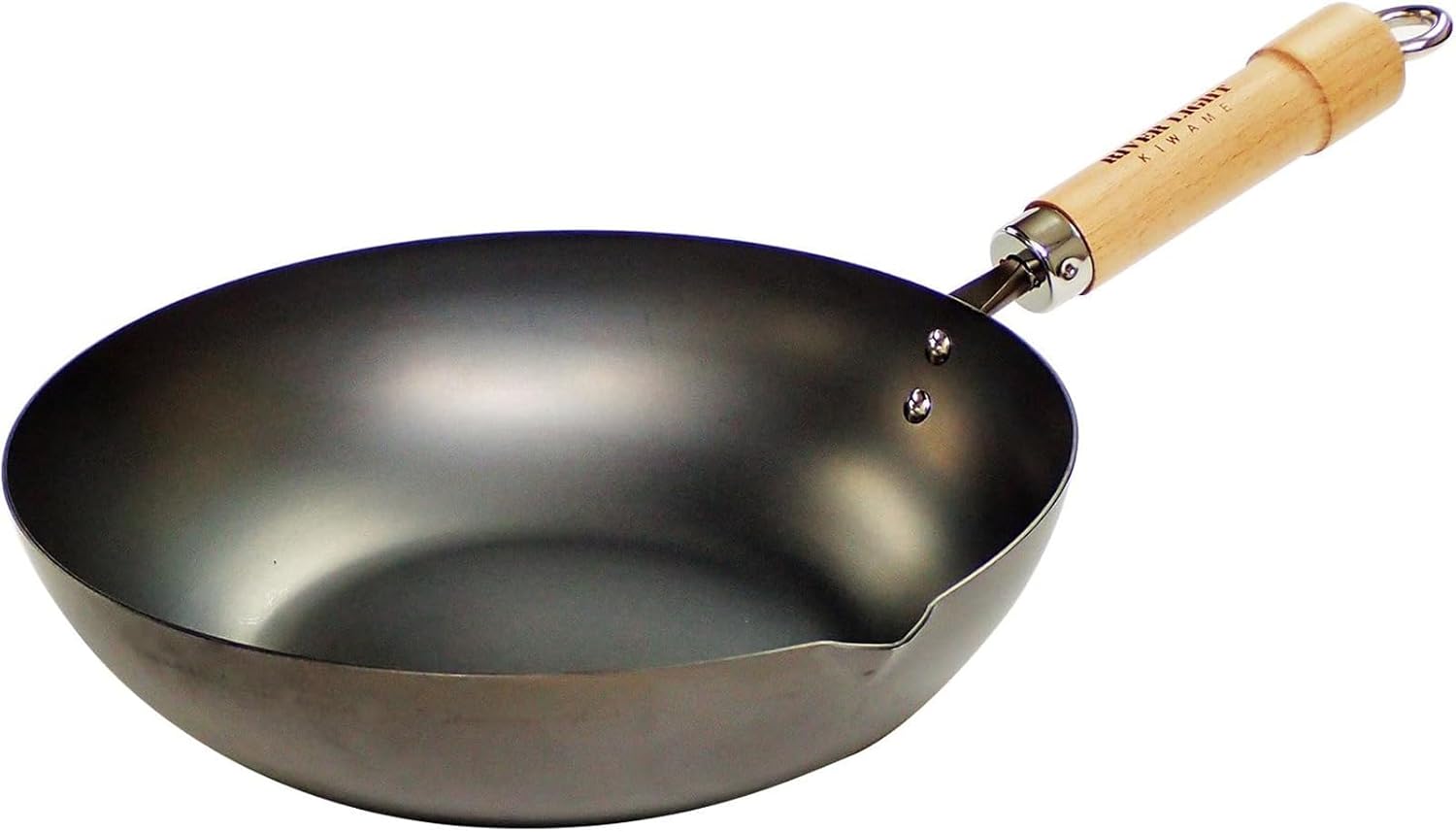
The 24 cm is the smallest of the everyday sizes plus the easiest to recommend for one-person cooking. At roughly 870 g it is genuinely light for an iron pan, so flipping an omelet or tossing vegetables never feels like a workout.
Its cooking surface is close to 20 cm once you account for the sloped walls, which is comfortable for two eggs, a single chicken thigh or a modest stir-fry. Try to cook for three people in it and food piles up, steams rather than sears plus loses the browning that makes iron worth owning.
The honest downside is simply capacity. If your household is bigger than one, treat the 24 cm as a second pan for eggs rather than your main workhorse. For students, small apartments plus solo cooks, though, it is the right first River Light.
If eggs are the whole reason you are buying, River Light also makes a dedicated rectangular egg pan in the same nitrided iron, which sidesteps the round-pan problem entirely. We set it against Nambu cast iron plus a hand-tinned Tokyo copper pan in our guide to the best tamagoyaki pans of 2026.
Check the 24 cm price on Amazon →
River Light Kiwame 26 cm (Around $90 on Amazon) — Editor’s Pick
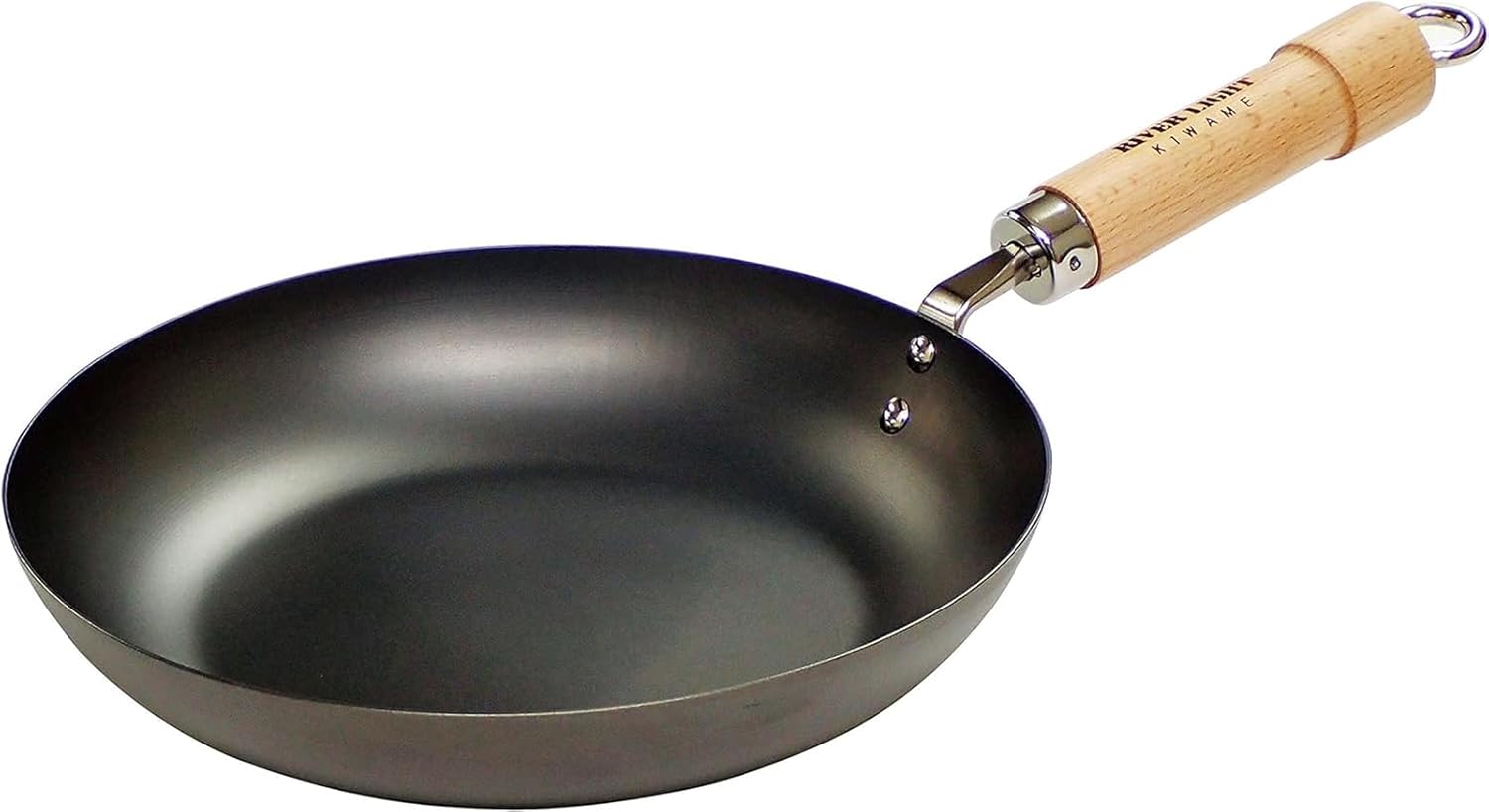
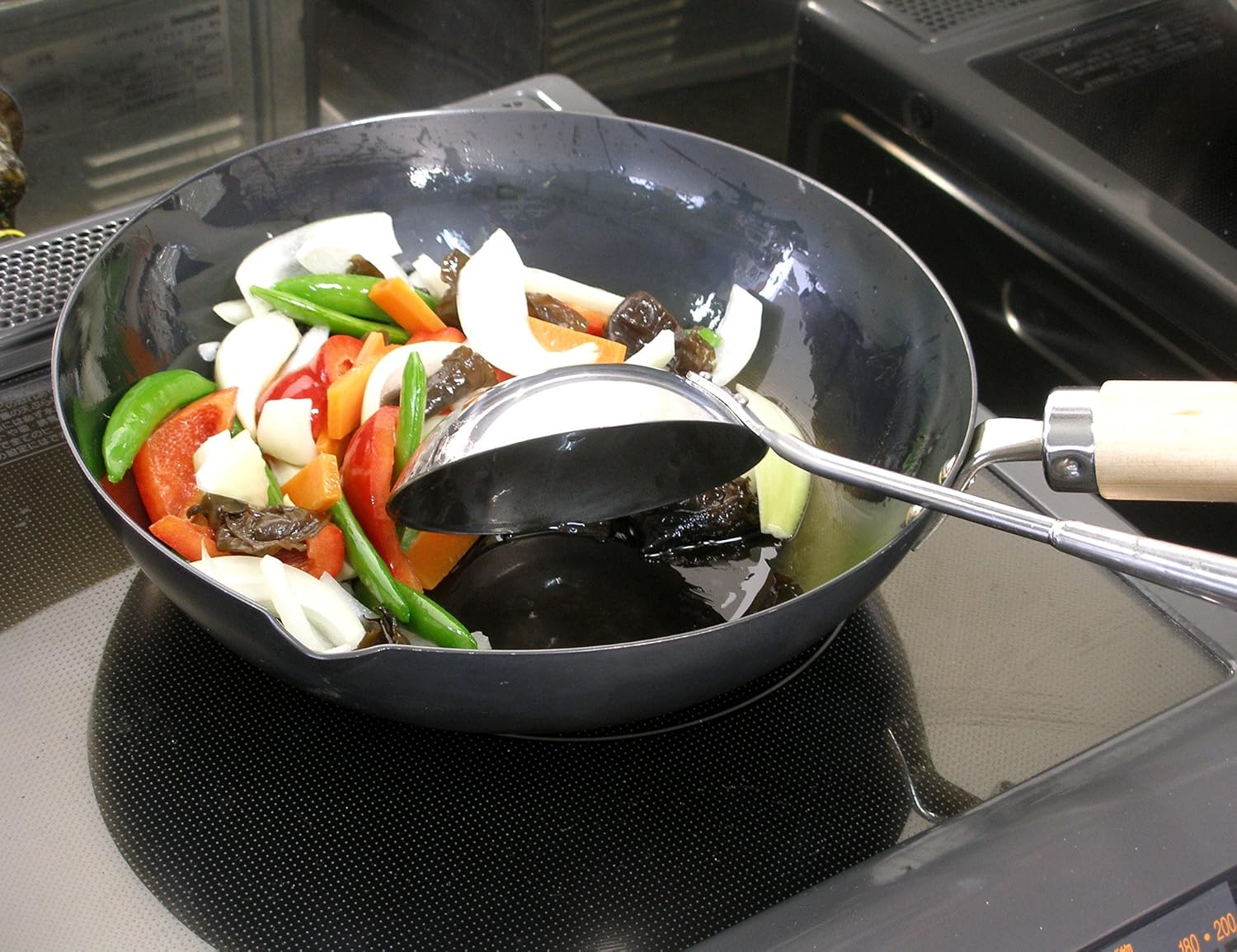
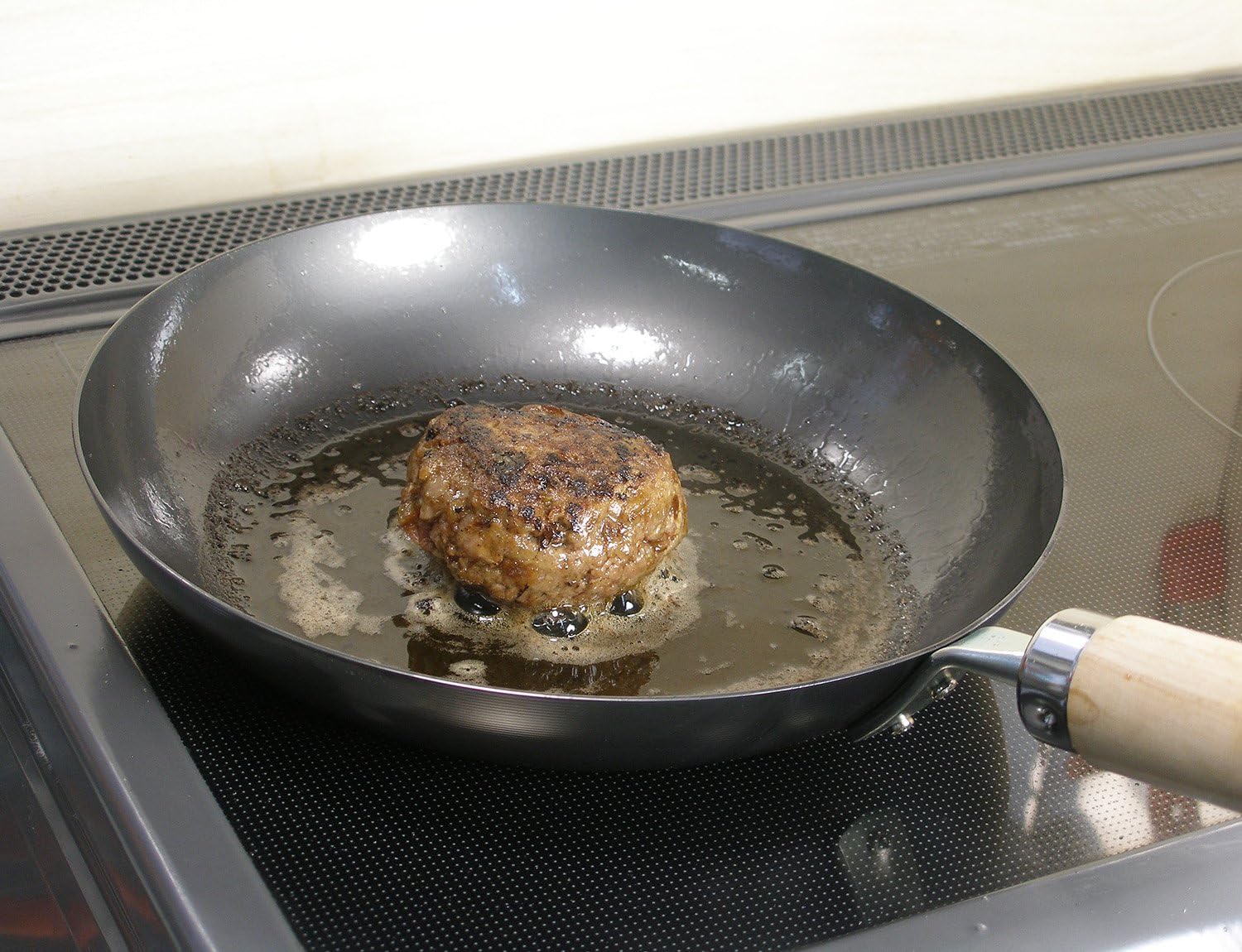
The 26 cm is where the Kiwame line makes the most sense. At about 950 g it stays easy to handle, yet the wider floor gives you room to actually spread food out so it browns instead of stewing in its own steam.
This is the size that handles a stir-fry for two, a pair of steaks or a full breakfast without crowding. It sits flat on gas, electric plus induction hobs, which matters because River Light builds these pans induction-compatible rather than treating it as an afterthought.
River Light also sells a bamboo steaming rack sized for this 26 cm pan, which turns it into a steamer for dumplings or fish. Our Japanese seiro steamer guide covers that rack next to a Japan-made wooden seiro, with step-by-step steaming instructions.
If there is a downside it is price: you pay a clear premium over a supermarket non-stick pan. The counter-argument is lifespan. Owners in Japan routinely report cooking on the same River Light pan for ten years or more, at which point the seasoning has matured into a near non-stick finish. Spread over that life, it is one of the cheaper pans you can own.
Check the 26 cm price on Amazon →
River Light Kiwame 28 cm (Around $120 on Amazon)
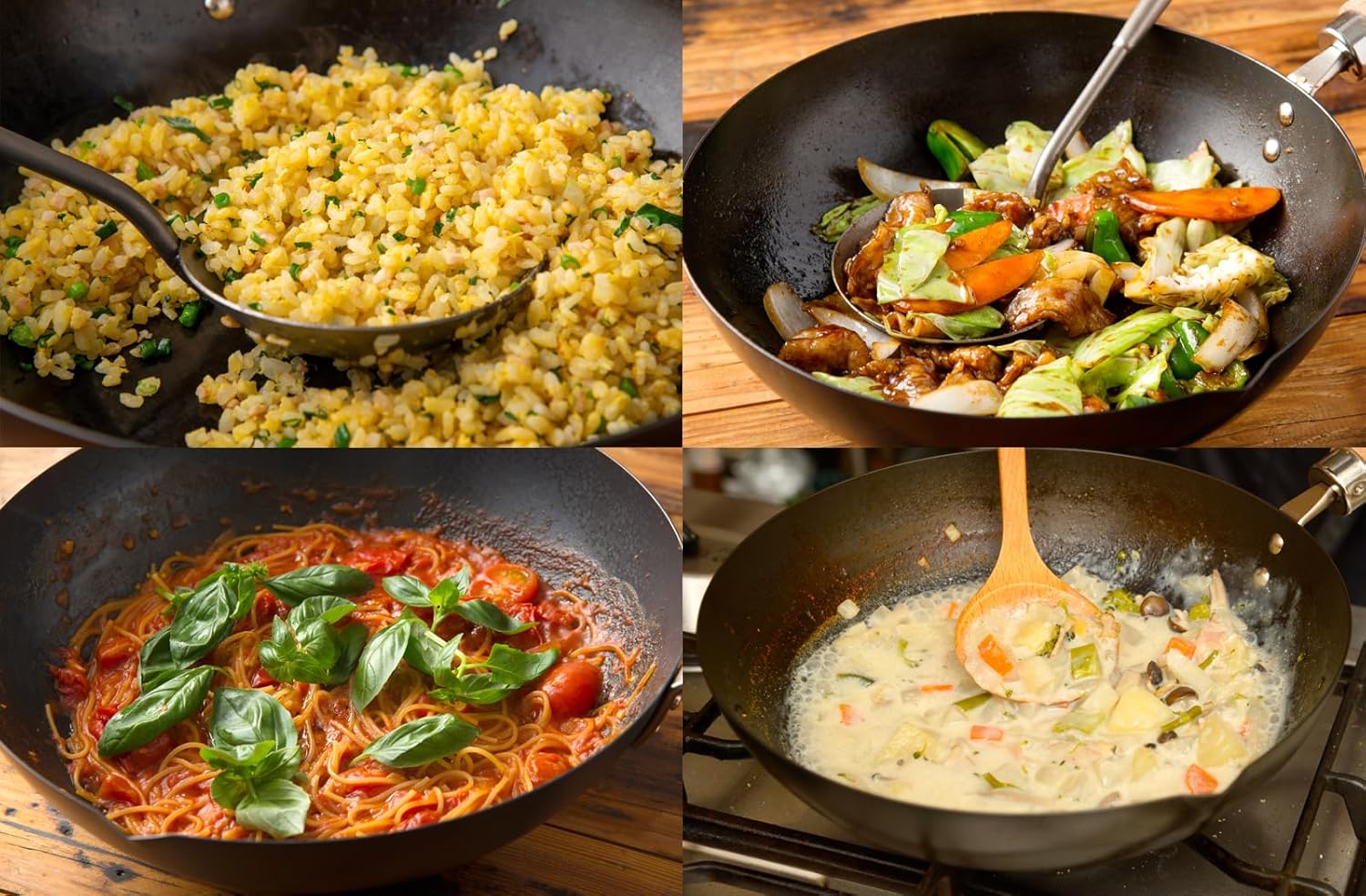
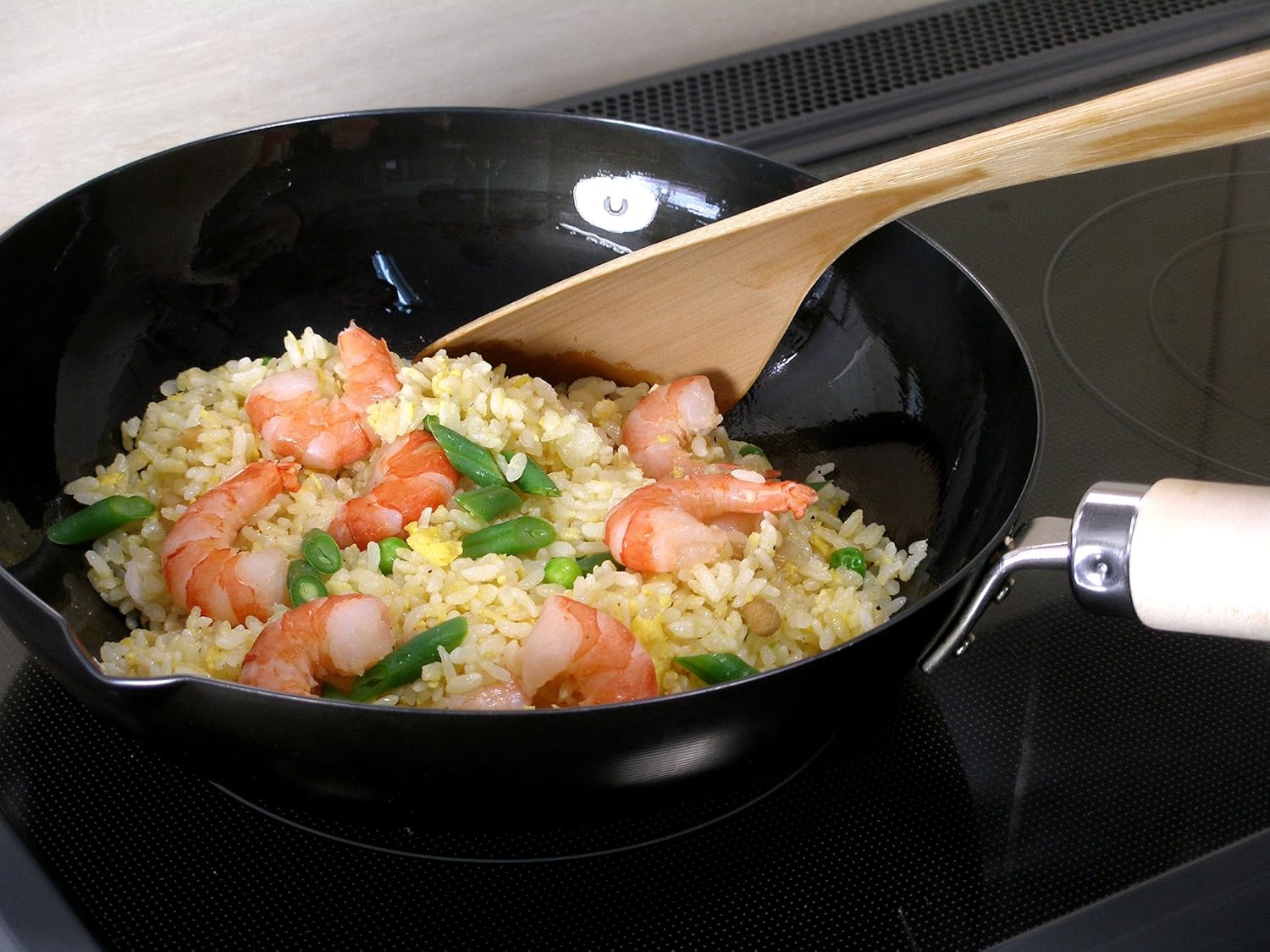
The 28 cm is the family pan plus the closest thing in the range to a wok. Its walls are deeper than the smaller sizes, so it holds a full stir-fry, a batch of curry or fried rice for four without spilling over the edge when you toss.
If a deep pan is not enough for you, River Light also makes a flat-based 30 cm Kiwame wok that works on induction. We set it against the hammered Yamada Kogyosho wok from Yokohama in our guide to the best Japanese woks.
That extra metal has a cost: at about 1.3 kg it is noticeably heavier; one-handed tossing takes a stronger wrist. On a small two-burner hob it can also crowd the neighbouring pan. This is a pan you commit to as your main, not a casual second.
For households of three or more, or anyone who cooks big weekend batches, the size pays off. Cooks who mostly make meals for one or two will find the 26 cm easier to live with every day.
Check the 28 cm price on Amazon →
River Light in Japan
River Light (リバーライト) is a Japanese cookware maker best known for putting nitrided iron into ordinary home kitchens. The Kiwame line, badged “極 JAPAN” and made in Japan, is the brand’s flagship plus the pan Japanese cooking blogs reach for when they want an iron pan that beginners will not ruin.
In Japan the appeal is practical rather than nostalgic. Home cooks who were scared off iron by rust plus fussy seasoning treat River Light as the pan that removed both problems, which is why it turns up so often on kitchenware-shop shelves next to the usual non-stick names. The light wooden handle, which stays cool plus can be replaced or tightened rather than binned, is part of that long-term, repairable philosophy.
Our editorial team tracks the Japanese kitchen market closely; River Light is one of the few iron-pan brands that carries the same trusted reputation with everyday cooks that heritage names carry with professionals.
The Verdict
The River Light Kiwame earns its place because it removes the two things that stop people buying an iron pan: rust plus maintenance. What remains is the high-heat searing plus decade-long lifespan that made iron a kitchen staple in the first place.
Buy the 26 cm if you want one pan that does almost everything. Size down to the 24 cm for solo cooking, or up to the 28 cm for a family. Any of the three should outlast most of the other pans in your kitchen.
Frequently Asked Questions
What is the difference between nitrided iron and plain carbon steel?
Both start as iron. Nitrided iron, like the River Light Extreme Japan, is treated so the surface hardens plus resists rust, which means it needs no dry burn-in plus tolerates washing better. Plain carbon steel, like the Yoshikawa, has no such treatment, so it seasons into a natural nonstick patina but will rust if left wet. Nitriding trades a higher price for much lower maintenance.
Do these Japanese pans work on an induction cooktop?
Yes. All three are made of iron or steel with flat bases, so they are fully induction (IH) compatible as well as working on gas. That is one advantage carbon steel has over some aluminum or copper pans, which need an added magnetic base to work on induction.
What does the Takumi Magma Plate texture actually do?
The Magma Plate stamps fine dimples into both faces of the steel. That extra surface area helps the pan heat quickly — the maker cites about 39 seconds to 200°C — plus lets a thin layer of oil settle into the valleys, which reduces sticking compared with a smooth iron surface. It is still bare steel, so it is not a permanent nonstick coating.
Why are all three pans from Tsubame-Sanjo?
Tsubame-Sanjo in Niigata Prefecture is Japan’s historic metalworking district, known for cutlery, tools plus cookware. River Light, Yoshikawa plus Takumi Japan are all based there, which is why buying a Japanese carbon steel pan so often means buying from this one region. The shared pedigree is a big part of why these pans are trusted.
Is a carbon steel pan better than nonstick?
For high-heat searing plus longevity, yes. Steel reaches higher surface temperatures for a proper crust plus, cared for well, lasts decades rather than the few years a coating survives. The trade-off is that it takes seasoning plus, on untreated steel, some rust vigilance. A nitrided pan like the River Light narrows that gap by removing most of the maintenance.
Prices are approximate and shift with Amazon listings plus import availability; imported Japanese ironware in particular varies by seller. Check the live price before buying. Compiled by the Vs-Navi.Online Editorial Team, which tracks the Japanese kitchenware market.