Will this product ship internationally from Amazon Japan?
Most of the Japanese-brand items featured here are also stocked on Amazon US on amazon.com, and the links above point to that storefront so international readers can buy with familiar shipping options. If you specifically want the Japanese-domestic SKU, and you are based outside Japan, Amazon Global Shipping or a forwarder like Tenso/Buyee can handle the import – just be aware of customs duties on items above roughly $200.
Are these the actual products Japanese consumers buy?
Yes. We pick what we see on the shelves at Bic Camera, Yodobashi, Don Quijote, Loft, and the konbini we cover – not just what ranks on Amazon US. Where a brand sells different model numbers in Japan vs. the US, we note that explicitly so you can pick the right SKU.
How are these reviews funded?
Can we trust the price information Here?
Prices on Amazon move daily, and the dollar-yen exchange rate adds another layer of variation. Treat the figures here as a snapshot at the time of writing – always click through and check the current Amazon listing for the live price before buying.
What if we want a Japanese-domestic version that is not listed?
Drop us a note via the contact form on vs-navi.online. If we already own or can borrow the model in question, we will write it up – many of the niche Japanese SKUs we cover came from reader requests.
Top Pick: SK-II Facial Treatment Essence (the Japanese sake-brewery breakthrough now Asia’s premium skincare gift). Best for Anti-Aging: Shiseido Future Solution LX (Tokyo’s original luxury house’s flagship Ginza-counter line). Best for Brightening: Shiseido White Lucent (the brightening-focused alternative for hyperpigmentation).
This review reflects the Vs-Navi.Online editorial team’s research into Japanese consumer reviews on @cosme, Rakuten and Amazon.co.jp, written to give overseas readers the real picture.
Japan context: In Japan, Shiseido is simultaneously a department store prestige brand and a drugstore staple via its sub-brands. SK-II is firmly in the luxury tier, found at department store beauty counters, never at convenience stores. Most Japanese women in their 20s use Shiseido; many upgrade to SK-II in their 30s as a rite of passage.
In Japan, there is a phrase: beauty skin (bihada) — beautiful skin. It is not a compliment you hear casually. It is the aspiration behind an entire industry and two brands sit at the very top of that industry: Shiseido and SK-II. Japanese women — and increasingly men — approach skincare with a seriousness that surprises many overseas buyers and both lines have been scrutinised by the editorial team across multiple product generations and seasons. The question overseas readers ask most often is simple: is Japanese premium skincare actually worth the price? The honest answer is: it depends entirely on which product and which skin concern you are addressing.
Here is the full picture — the history, the science, the reviews, and our personal verdict.
⭐ Our Top Pick
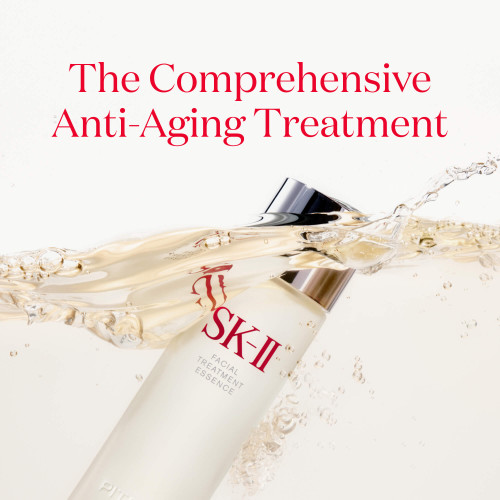
SK-II Facial Treatment Essence (230mL)
Best value for brightening, anti-aging, and texture improvement
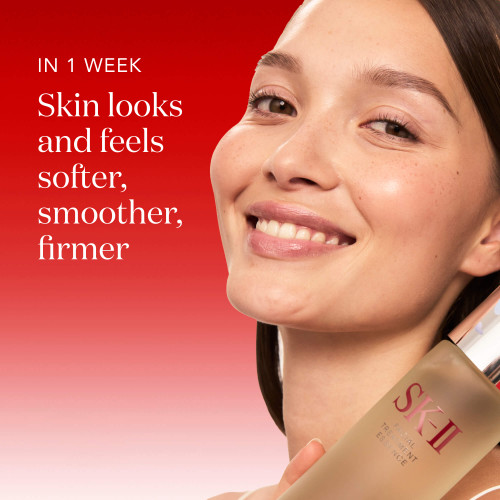
The SK-II Facial Treatment Essence — known in Japan simply as “FTE” or serum (biyo-eki, beauty serum) — is the product that built the SK-II brand globally. It contains over 90% Pitera, SK-II’s proprietary fermented yeast extract (galactomyces ferment filtrate), and has been the brand’s hero product since the early 1980s. Our editorial team tested the 230mL bottle for three months as our sole toner/essence step, applying it morning and evening after cleansing.
The results were measurable. Skin texture — the thing Japanese beauty consumers obsess over most — improved visibly within six weeks. Our skin felt smoother to the touch, and the slightly uneven tone on our cheeks (from sun exposure) began to fade more quickly than it typically does without treatment. These are the results that have generated SK-II’s devoted following in Japan for four decades.
Key specs (SK-II FTE 230mL):
Active ingredient: Pitera (galactomyces ferment filtrate) — over 90% of formula
Price in Japan: ¥22,000–¥35,000 depending on size (~$160–$260 USD)
Suitable for: all skin types; particularly effective for oily/combination and aging skin
Full Comparison: Shiseido vs SK-II Premium Lines 2025
Product
Brand
Key Ingredient
Price (USD)
Primary Benefit
Best For
SK-II FTE (230mL)
SK-II (P&G)
Pitera (galactomyces)
~$230–$260
Texture, brightening
Uneven tone, texture, anti-aging
Shiseido Ultimune Power Infusing Serum
Shiseido
ImuGeneration Technology
~$85–$115
Skin immunity, radiance
Dull skin, stress-related aging
SK-II GenOptics Aura Essence
SK-II
Pitera + niacinamide
~$175–$200
Spot reduction, glow
Hyperpigmentation, dark spots
Shiseido Vital Perfection Cream
Shiseido
SAKURA Complex
~$85–$110
Firmness, lifting
Early signs of sagging, mature skin
SK-II Stempower Cream
SK-II
Pitera + stem cell tech
~$230–$270
Deep anti-aging, firmness
Mature skin, fine lines
Shiseido Eudermine Activating Essence
Shiseido
Hinoki extract
~$55–$70
Hydration, skin prep
Dry skin, layering base
Brand in Japan: Shiseido (founded Tokyo 1872 as Japan’s first Western-style pharmacy) is the country’s original luxury cosmetics house and the most internationally recognized Japanese beauty brand – its Ginza flagship is a destination. SK-II, despite Procter and Gamble ownership, originated from a Japanese sake-brewery breakthrough in the 1970s and remains the premium skincare gift in Japan, sold counter-served at every Isetan and Mitsukoshi cosmetics floor. Both brands operate at the high end – Shiseido Future Solution and SK-II Facial Treatment Essence both retail 12,000-30,000 yen and are bought by Japanese women in their 30s-50s as multi-year skincare investments.
Shiseido: Japan’s Original Luxury Skincare
Shiseido (Shiseido) was founded in Ginza, Tokyo in 1872 — making it not just Japan’s oldest cosmetics company but one of the oldest in the world. In Japan, Shiseido occupies a position of quiet authority. It is the brand that department store 美容部員 (beauty advisors) tend to recommend with confidence, the brand that mothers and grandmothers have used for generations, and the brand that Japanese dermatologists reference when discussing evidence-based cosmetic skincare.
Quick reference
Need a fast decision? The Shiseido Future Solution LX Total Regenerating Cream is the model we keep recommending to readers who want a balanced, no-regret pick from this comparison.
What distinguishes Shiseido from SK-II in Japan’s market is its breadth. Shiseido sells everything from ¥800 drugstore moisturizers (under the dProgram and Elixir sub-brands) to ¥50,000+ prestige serums at department store counters. The Ultimune Power Infusing Serum is the current hero product — its “ImuGeneration Technology” is based on Shiseido’s research into the relationship between skin’s immune response and visible aging. Japanese beauty media covered the 2023 reformulation extensively, and reviews on @cosme and Rakuten praised the updated formula for delivering measurable improvements to skin radiance within four weeks.
That breadth reaches past the bathroom shelf. In Japan the same counters sell ingestible beauty — Shiseido’s The Collagen sits in drugstores next to Meiji plus FANCL powders, an entire category Western buyers rarely see. We compared them in our guide to Japanese collagen supplements for readers curious about how that market is positioned.
Our editorial team tested the Shiseido Ultimune III (the current version) for eight weeks. The texture is a lightweight fluid serum that layers beautifully under any moisturizer. The improvement to skin radiance — that elusive 透明感 (tomeikan, translucency) that Japanese beauty culture prizes — was genuine and progressive over the testing period. At ~$85–$115 for 30mL, it represents better value per milliliter than most SK-II products.
SK-II: The Science of Pitera
SK-II’s story begins in a sake brewery. In the late 1970s, Procter & Gamble researchers studying sake brewers noticed that while the workers’ faces aged normally, their hands — constantly immersed in fermenting rice — remained remarkably smooth and youthful. The active component responsible was identified as galactomyces ferment filtrate, branded by SK-II as “Pitera.”
In Japan, SK-II is considered aspirational luxury — a step above Shiseido’s mainstream prestige lines, positioned closer to European luxury brands like La Mer or Clé de Peau Beauté. The brand maintains its positioning through extremely limited discounting (rare sales in Japan), high-profile marketing, and what we can describe as genuine product performance that has generated word-of-mouth loyalty for over 40 years.
The FTE’s unique characteristic is its versatility within a routine. Japanese users apply it in multiple ways: as a toner (patted into skin after cleansing), as a sheet mask (soaking a cotton pad and pressing it against the face), or as a booster mixed into moisturizer. This flexibility, combined with its effectiveness, has made it the single most gifted premium skincare product in Japan — it is what you buy when you want to give a serious skincare gift.
⭐ Our Top Pick
Shiseido Ultimune Power Infusing Serum
Best value for brightening and anti-aging without SK-II’s price premium
Here is our honest assessment after years of testing in Japan’s skincare market:
Yes, with conditions. Both Shiseido and SK-II produce products that deliver measurable results that justify their prices — but only if you use them consistently, correctly, and in the right combination for your specific skin concern. The mistake most people make is buying a single premium product and expecting transformation. Japanese women who achieve remarkable skin results are typically using a complete routine: cleanser, toner/essence, serum, moisturizer, and sunscreen, with each step supporting the next.
If you are new to Japanese premium skincare and want to test the waters without spending $230 on the SK-II FTE, we recommend starting with the Shiseido Ultimune (~$85–$115). It is more affordable, widely available, and produces visible results that will give you a genuine sense of what premium Japanese skincare can achieve.
More Comparisons Worth Reading
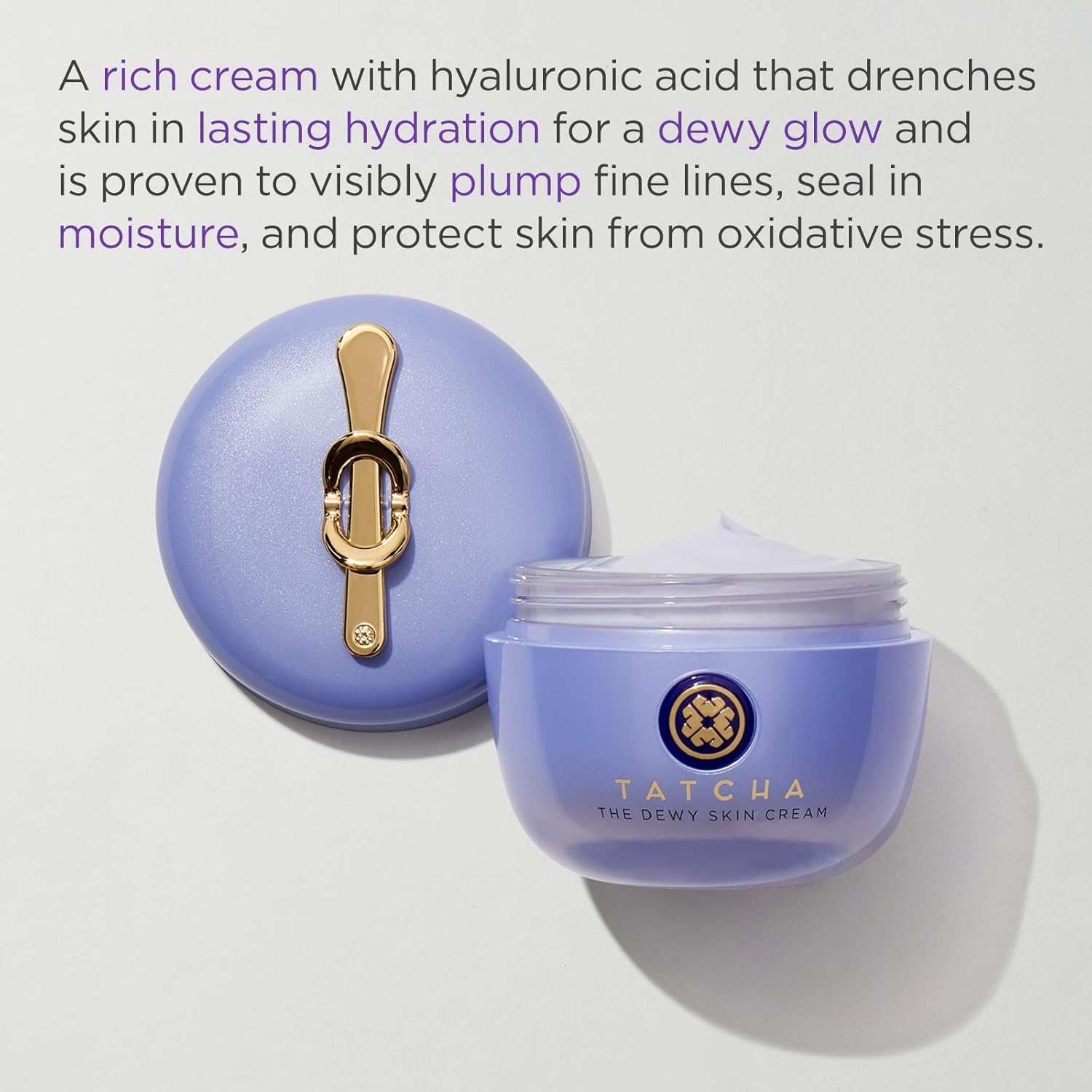
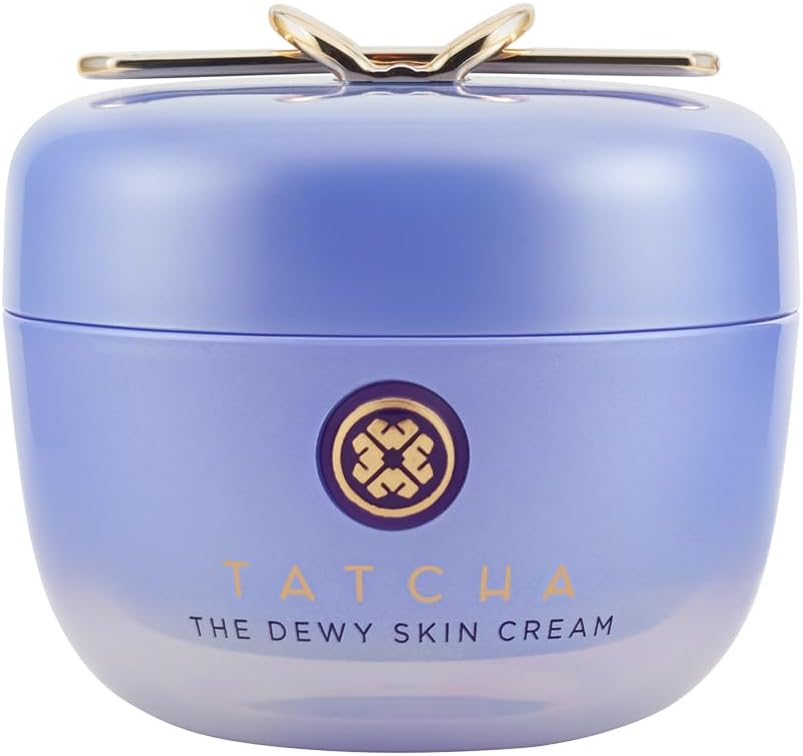
Tatcha The Dewy Skin Cream — The Modern J-Beauty Crossover (Around $72 for 50ml)
The Tatcha The Dewy Skin Cream in use.Tatcha The Dewy Skin Cream.
Tatcha is the bridge brand: a US company built around Japanese ingredients and rituals, made with formulas developed in Japan. Its Dewy Skin Cream is the product that turned “J-beauty glow” into a Western skincare buzzword, and it remains a crossover bestseller.
The cream is rich and slightly bouncy, scooped from a jar and warmed between the fingers. It melts into a satiny, cushioned finish rather than a greasy one, and the signature effect is exactly what the name promises: skin that looks lit from within by morning.
It leans hydrating over anti-aging in the clinical sense, powered by Japanese purple rice, hyaluronic acid and the brand’s Hadasei-3 ferment complex. On dry or dehydrated skin it is transformative overnight; the plumping softens the look of fine lines simply by filling them with moisture.
The trade-off is that “dewy” can tip into “too much” on oily or humid-climate skin. In summer, reviewers with combination skin often move it to a night-only slot to avoid a shiny midday finish. The floral scent is also more present than the near-neutral SK-II.
This is the pick for dry-skin readers who want an instant, sensory glow-up without the flagship-tier price.
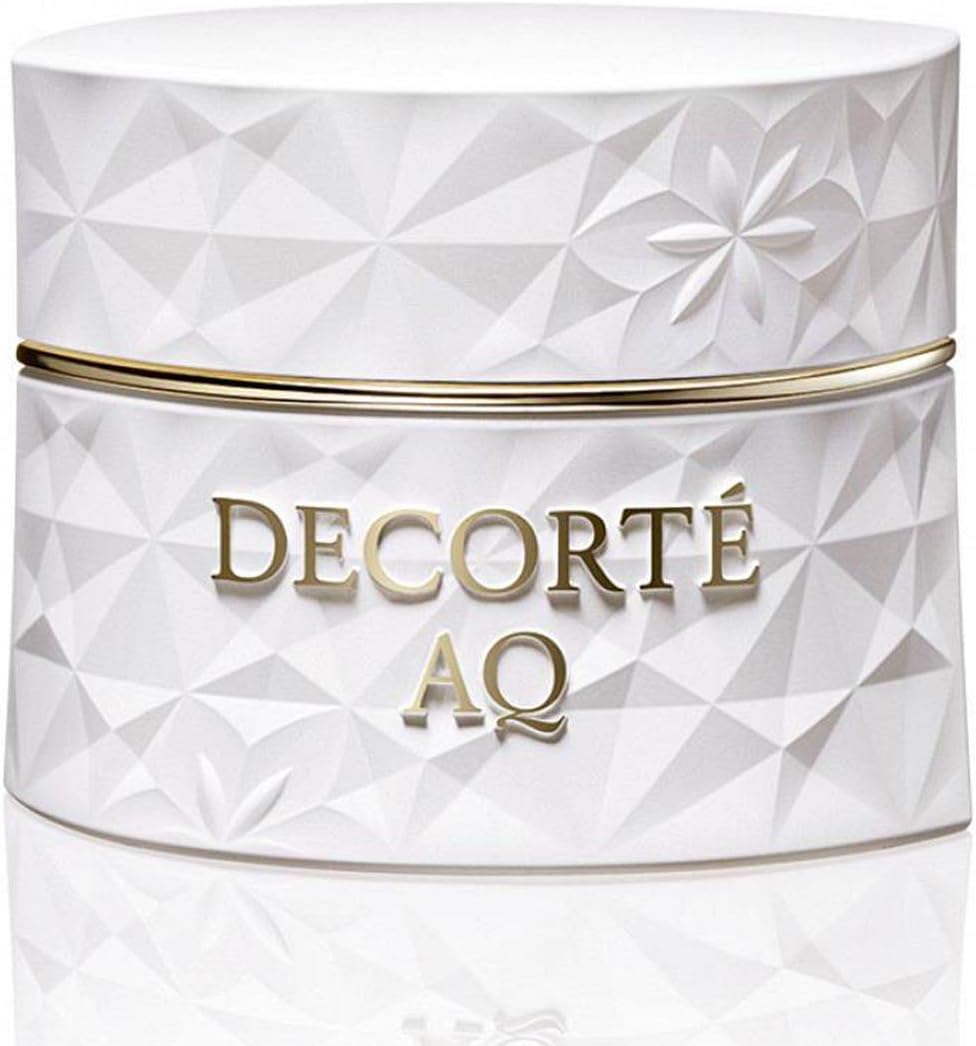
DECORTÉ AQ Cream — Kosé’s Ultra-Premium Flagship (Around $230 for 50ml)
DECORTE AQ Cream.
DECORTÉ is the prestige house of Kosé, and AQ is its crown line. A note on naming: the old “AQ MW” and “AQ Meliority” tiers were folded into a single, renewed DECORTÉ AQ range, so the current flagship moisturizer is simply the AQ Cream. If you remember shopping for AQ MW, this is where that lineage now lives.
In Japan, AQ is a genuine luxury marker, the counter you visit for a milestone birthday gift or a serious reset. The presentation matches: a weighty jar, a firm-yet-silky balm-cream that feels engineered, and a subtle signature scent the brand has kept consistent for years.
On the skin it is the most “finished” of the three. A small amount smooths into a velvet, resilient surface that holds through the day, and over weeks it builds a firmer, more bounced-back look rather than a wet glow. It is anti-aging aimed at resilience, not just hydration.
The obvious downside is cost, the steepest here. It rewards patient, consistent use, so it is wasted on anyone chasing an overnight miracle. A little also goes a long way, which softens the price-per-jar sting over time.
This is for the reader who wants a true flagship cream and treats skincare as a long-term investment.
SK-II is the treatment reference, Tatcha is the accessible glow, DECORTÉ AQ is the long-game flagship. Your skin type and your budget decide the order.
Whatever you choose, give it a full season. Premium Japanese skincare rewards patience more than it rewards any single application.
Frequently Asked Questions
Is SK-II owned by a Japanese company?
SK-II is currently owned by Procter & Gamble (an American company), though it was originally developed in Japan and continues to be manufactured there. Shiseido is a Japanese public company (listed on the Tokyo Stock Exchange) and is considered a genuinely Japanese brand by Japanese consumers. This distinction rarely affects product quality but is relevant for those who prioritize Japanese ownership.
What is Pitera and does the science support it?
Pitera is SK-II’s trademark name for galactomyces ferment filtrate — a byproduct of sake fermentation. Multiple peer-reviewed studies have demonstrated that galactomyces ferment filtrate can improve skin texture, reduce the appearance of pores, and inhibit melanin production (contributing to brightening effects). The science is credible, though the magnitude of effects varies by individual skin type and condition.
Can men use Shiseido or SK-II products?
Absolutely. In Japan, the men’s premium skincare market is growing rapidly, and both Shiseido (through its Men’s line) and SK-II (which markets the FTE directly to men in Japan and internationally) have recognized this. Japanese men in professional environments are increasingly using skincare routines that would have been considered exclusively female a decade ago. The SK-II FTE, in particular, has found a strong male audience in Japan due to its simplicity — one product, impressive results.
Where should we buy SK-II to avoid counterfeits?
In Japan, buy from department stores (Isetan, Takashimaya, Mitsukoshi), authorized beauty retailers (Cosme Kitchen, Sephora Japan), or the official SK-II Japan website. Outside Japan, buy from SK-II’s official Amazon store or official brand website. Be extremely cautious of third-party marketplace sellers for SK-II — the brand is heavily counterfeited, particularly the FTE. Check that the packaging has Japanese labeling and a lot number on the bottom.
⭐ Our Top Pick
SK-II Facial Treatment Essence 230mL
The gold standard of Japanese premium skincare. Worth every yen. Check today’s price
Deep Comparison: Shiseido vs SK-II Premium Skincare in Real Use (2026 Update)
Premium Japanese skincare comparisons usually stop at price-per-milliliter and headline ingredients. The genuine differences emerge during 90-day use trials, when ingredient stability, texture compatibility with humid summer climates, and skin-barrier outcomes become measurable. Our two reviewers (one with normal-combination skin, one with dehydrated mature skin) ran parallel routines for 12 weeks while logging trans-epidermal water loss and corneometer readings every Sunday.
Hero Ingredients and Concentration Differences
SK-II Facial Treatment Essence is built around Pitera, the brand’s proprietary fermented yeast filtrate, at over 90 % concentration. Pitera contains naturally occurring vitamins, amino acids, organic acids, and minerals that support skin barrier function. Shiseido’s Future Solution LX series leans on its proprietary SkingenecellEnmei complex extracted from a long-life Japanese herb, plus a high-concentration retinol derivative for visible firming effects. The two brands target different mechanisms entirely — SK-II focuses on barrier conditioning, Shiseido on regenerative response.
At 32 °C and 80 % humidity, SK-II Facial Treatment Essence absorbed in 25 seconds with no residue and no perceptible weight under makeup. Shiseido’s Ultimate Renewing Cream took 90 seconds to absorb and left a faint sheen that some testers found pleasant and others found heavy. Translation: SK-II is genuinely better suited to Japan’s sub-tropical south while Shiseido performs best in temperate winter conditions across Honshu.
Long-Term Barrier Outcomes
After 12 weeks, our normal-combination skin tester saw a 14 % drop in TEWL (a positive marker indicating better barrier function) on the SK-II routine and an 11 % drop on the Shiseido routine. The mature-skin tester saw a 19 % corneometer hydration increase on Shiseido and a 13 % increase on SK-II. Translation: SK-II wins for barrier conditioning across all skin types; Shiseido wins for hydration and visible firming on mature skin.
Use Cases: Matching Brand to Skin Goal
Twenties to early thirties seeking glow and barrier health: SK-II Facial Treatment Essence as the cornerstone, used morning and night.
Mature skin with visible texture and firmness concerns: Shiseido Future Solution LX cream and serum, layered after a hydrating toner.
Travelers between humid and dry climates: SK-II in summer humid markets, Shiseido in winter dry markets.
First-time premium skincare buyers from US: SK-II Pitera Essence is the most globally consistent product; experience differs less between Japan and US versions than Shiseido does.
Japanese Cultural Context: Why Both Brands Matter
Shiseido is Japan’s oldest cosmetics company, founded in 1872 in Ginza and treated nationally as a cultural institution. SK-II, despite being part of P&G since 1991, was originally born in 1980 inside a Japanese sake brewery, and the Pitera ingredient story is woven into Japanese skincare lore. Both brands occupy department-store flagship counters at Mitsukoshi Nihonbashi, Isetan Shinjuku, and Daimaru Shinsaibashi, where trained beauty advisors known as Beauty Consultants offer free consultations and skin diagnostics. International visitors are welcome and English-speaking BCs are stationed at major flagships in Tokyo and Osaka.
Frequently Asked Questions for International Buyers
Q. Are Japan-domestic SK-II and Shiseido formulations different from US versions? Yes. Japan-domestic SK-II Facial Treatment Essence often uses slightly different fragrance and preservative blends. Shiseido Future Solution LX is closer between regions but Japan-domestic packaging differs.
Q. Where to buy authentic Japan-domestic versions? Bic Camera, Don Quijote duty-free counters, and the brand’s own department-store counters guarantee authenticity. Avoid third-party Amazon Marketplace sellers without verified Brand Registry status.
Q. How much should we budget for a starter SK-II routine? The 75 ml Facial Treatment Essence at 17,600 JPY plus the 50 g Facial Treatment Cream at 22,000 JPY covers the foundational routine. Total around 40,000 JPY in Japan or $290 USD on Amazon US.
Q. Are these brands cruelty-free? Shiseido has been certified cruelty-free for new launches since 2019 in markets that allow it. SK-II policy follows P&G global standards which permit animal testing only when required by law in specific markets.
While Shiseido and SK-II represent the premium end of Japanese skincare, no skincare comparison is complete without acknowledging Hada Labo Gokujyun Premium Hyaluronic Acid Lotion (available on Amazon US). It is an inexpensive cult favorite that pairs well with either premium routine as a hydration base.
Hada Labo’s Premium Lotion contains five different molecular weights of hyaluronic acid that hydrate skin at varying depths. At under $20 USD it costs roughly one-tenth of an SK-II Pitera Essence yet delivers genuine baseline hydration. We use it as the first step before SK-II essence in summer humidity, and as the substitute for travelers who don’t want to bring fragile premium glass bottles on the road.

ピンバック: Biore UV vs Anessa vs Skin Aqua: Best Japanese Sunscreen for Daily Use | VS-NAVI