vs-navi.online is a participant in the Amazon Services LLC Associates Program. Purchases made through links on this page may earn us a commission at no extra cost to you.
A bag of good sencha deserves better than a mug with a tea ball. In Japan, loose green tea is brewed in a kyusu: a small clay pot with the handle sticking out the side, built so one hand can tip every last drop into two or three cups.
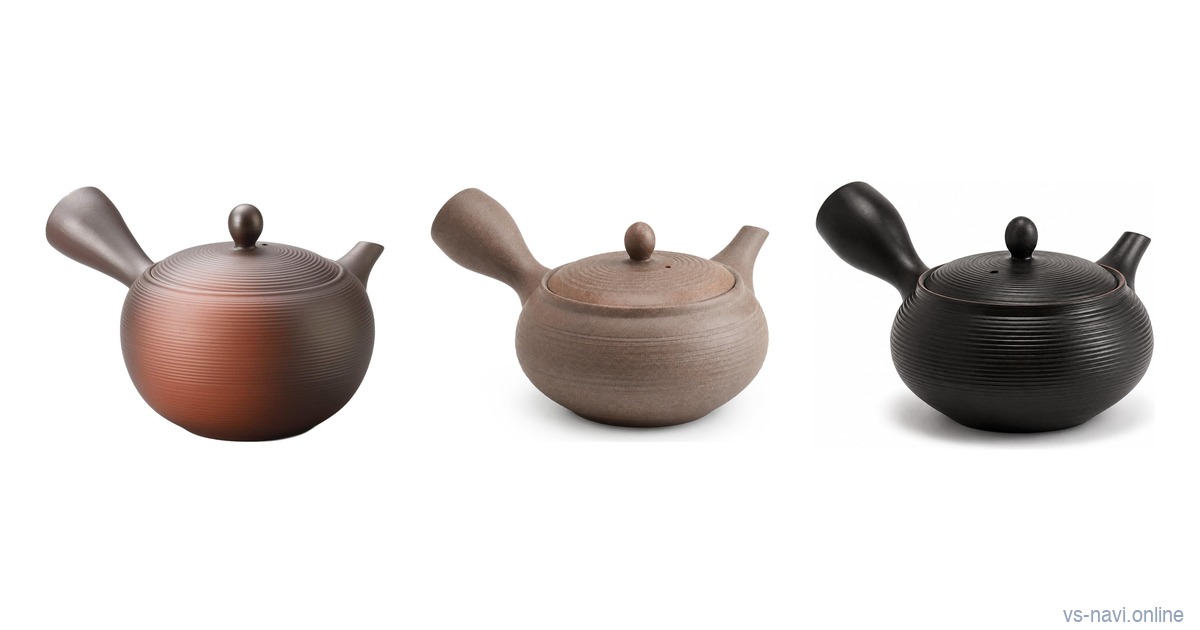
The town most of those pots come from is Tokoname, on the Chita Peninsula south of Nagoya. Three Tokoname kyusu are easy to order on Amazon.com right now: a red-brown youhen pot with a built-in clay strainer, a gray clay pot with a large round mesh plus a black ribbed pot with a fine mesh for deep-steamed tea.
We compared the three on their Amazon listing details, published capacities, ratings plus what is known about Tokoname ware in the Japanese market. This is a desk comparison of public information, not a hands-on test.
Our Pick: Which Tokoname Kyusu Should You Buy
All three showed a live U.S. price with stock when we checked Amazon.com in October 2026. Stock was in the single or low double digits on each, so treat the prices below as rough.
- Tokoname Youhen Kyusu, 11.8 oz — about $42, 4.5 out of 5 from more than 230 ratings. The pick for most people. It has the longest public track record of the three, a built-in clay strainer plus the flame-marked youhen finish that Tokoname is known for.
- Tokoname Ware Kyusu with Mesh Filter, Gray Red — about $40, 12.5 oz. The pick if you mostly brew fukamushi (deep-steamed) sencha, whose fine leaf particles clog clay strainers. A brown version sells at the same price.
- Tokoname-Yaki Kyusu, Black, 13.2 oz — about $60. The pick if you want the largest pot here plus a fine mesh, in a classic black ribbed body that pairs with almost any cup.
The two COTONOHA pots are new listings with only a handful of ratings each, so there is not yet enough public feedback to judge them on durability. That is the main reason the youhen pot is our default pick.
What Makes a Kyusu Different from a Western Teapot
The side handle is called yokode. It sits at roughly a right angle to the spout, so you hold the pot the way you would hold a saucepan and roll your wrist to pour. The thumb rests on the lid, which keeps it from sliding off as the pot tips. Most yokode kyusu are made for the right hand; left-handed versions exist but are less common.
Kyusu are also small on purpose. Japanese green tea is brewed in short infusions of about a minute, then poured out completely so the leaves do not keep steeping in the pot. A 300 to 400 ml pot holds just enough for two or three cups, which is why none of these three is larger than 13.2 oz. If you want a mug-sized single serving, any of them works; for a table of six, you will be brewing twice.
The third difference is the strainer, which decides what tea a pot suits best. A ceramic strainer is a panel of small holes pierced into the clay wall behind the spout. It adds nothing to the taste plus it lasts as long as the pot, but very fine leaf can block it. A mesh strainer catches finer particles, at the cost of a part that needs a gentle brush now and then. If your tea is a standard sencha, either type is fine. If the bag says fukamushi, mesh is the safer choice.
The Brand in Japan: Tokoname Ware
Tokoname in Aichi Prefecture is one of the Six Ancient Kilns of Japan, the pottery towns whose kilns have run continuously since the medieval period. The group was recognized as Japan Heritage in 2017, while Tokoname ware itself was designated a Traditional Craft by the Japanese government in 1976.
In Japan the town is closely tied to the kyusu. Tokoname became known for teapots made from iron-rich red clay called shudei, which fires to the terracotta red you still see in Japanese tea shops. Potters there also mix other clays to get gray, black or speckled bodies, which is why the three pots in this guide look so different despite coming from the same town.
Tokoname kyusu are usually left unglazed inside. Japanese tea sellers often say the bare clay softens the bitterness of green tea over time, as the pot slowly seasons with use. That is a long-held view in the Japanese market rather than a lab result, but it is the reason owners are told to keep one pot for one type of tea plus to skip soap.
Tokoname Youhen Kyusu, 11.8 oz (Around $42 on Amazon)
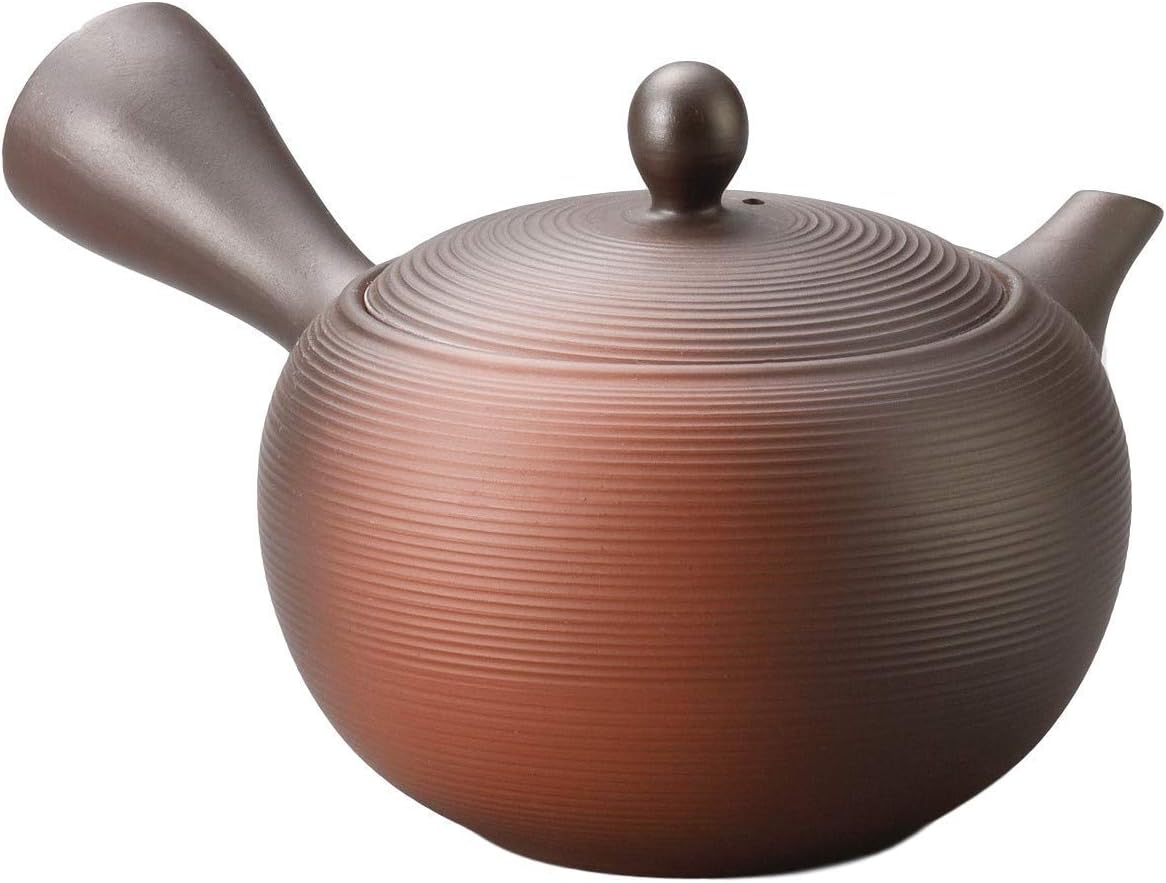
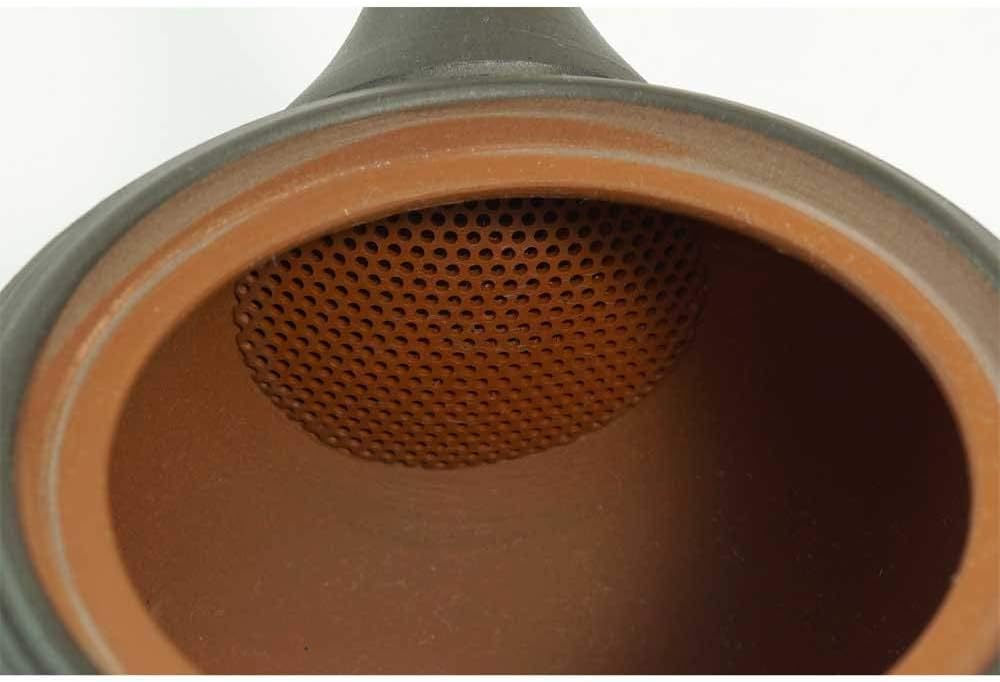
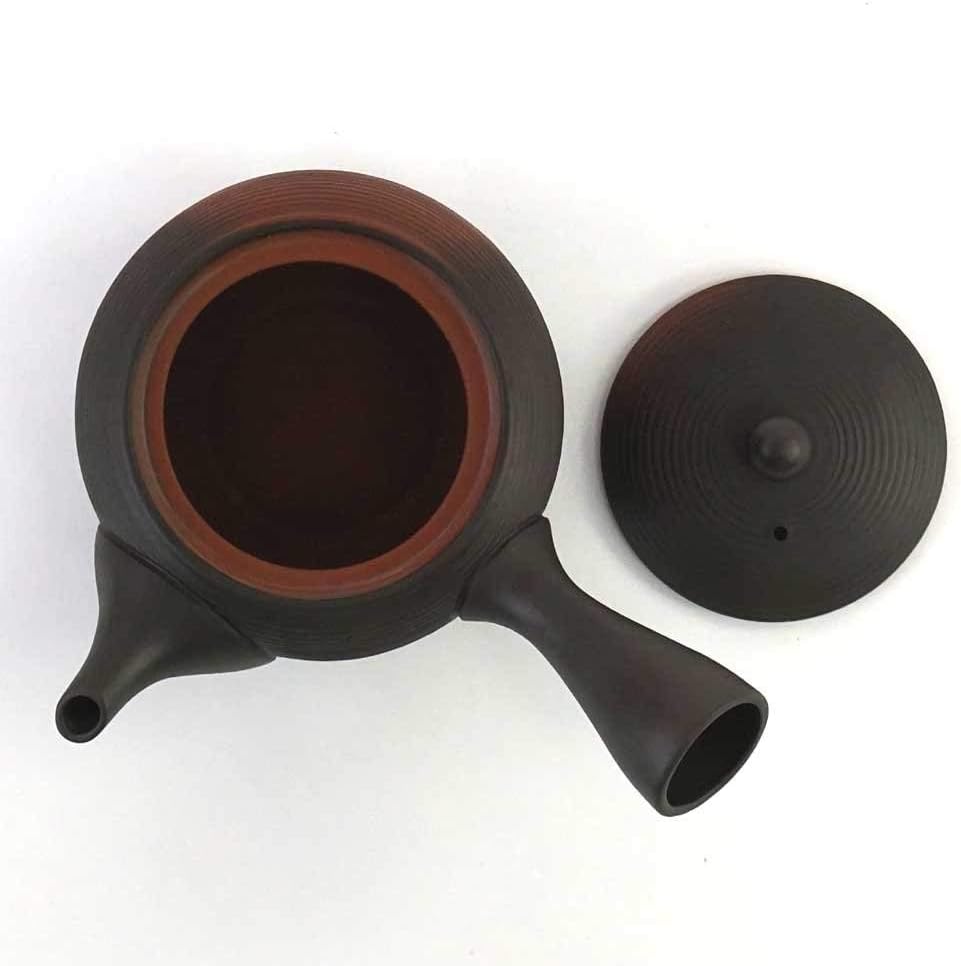
Youhen means kiln change. The color shifts from deep brown to red where the flame plus ash touched the pot during firing, so no two are exactly alike. The listing says as much: the seller describes thin-walled, unglazed bodies with clays blended from other kiln areas such as Seto, Shigaraki plus Iga.
The strainer is clay, built into the wall behind the spout. Public reviews single out how well it handles loose-leaf tea, with a fast pour and very little leaf in the cup. A few buyers note that the finest tea dust still gets through, which is normal for a clay strainer.
Size is the one point where reviews split. The pot is listed at 11.8 fl oz (350 ml) filled to the brim, while the seller notes that a practical fill is about 80% of that. Some owners find it right for two or three small cups or one 11 to 12 oz mug. Others expected a bigger pot from the photos.
It measures about 6.7 inches across including the handle, with a round body that sits low on the table. With more than 230 ratings at 4.5 out of 5, it is the best-documented kyusu of the three. It suits anyone buying a first kyusu for sencha, hojicha or genmaicha.
Tokoname Ware Kyusu with Mesh Filter, Gray Red (Around $40 on Amazon)
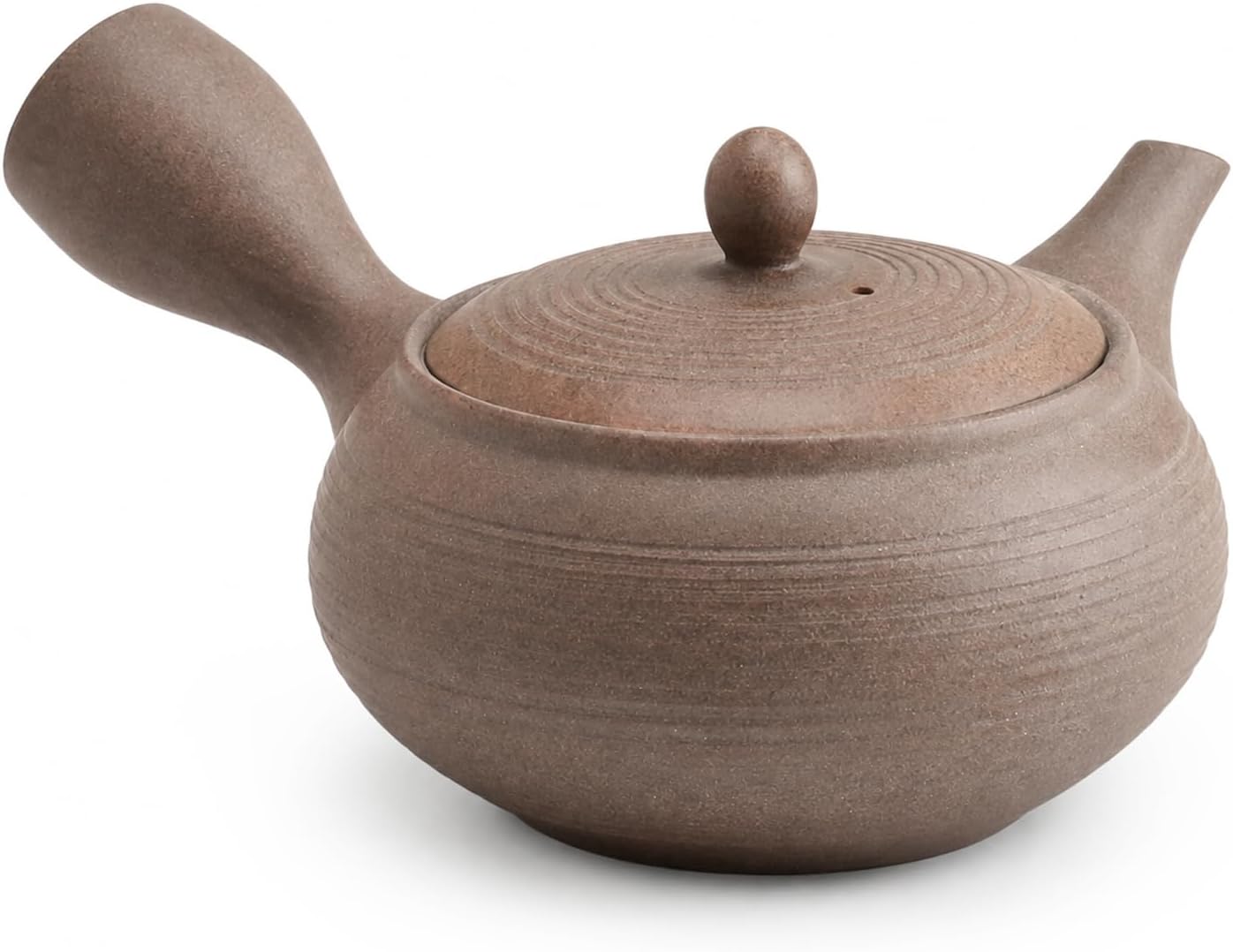
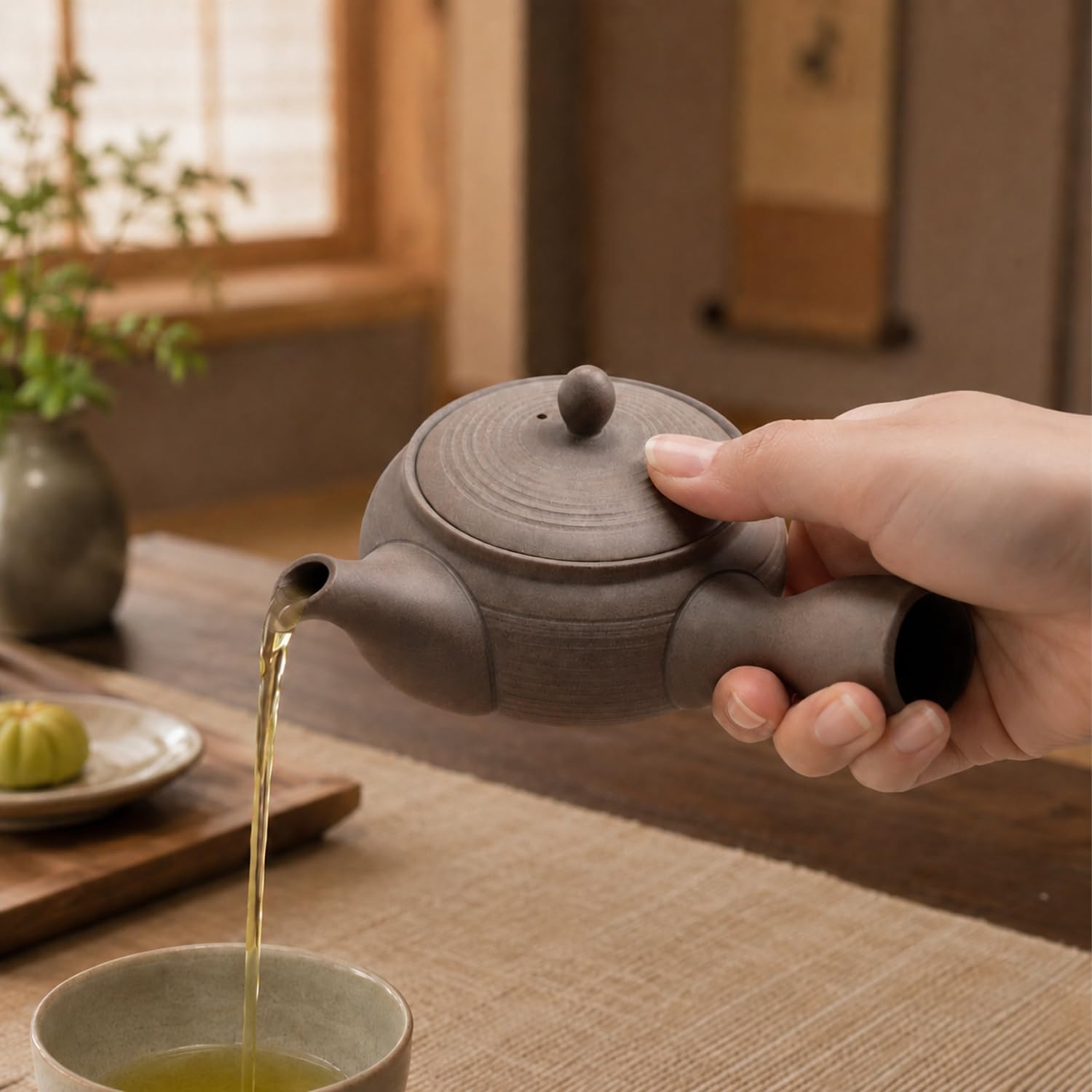
This pot is sold under the COTONOHA brand, which also lists other Japanese tableware on Amazon.com. The listing gives the capacity as 370 ml (12.5 fl oz), with a height of about 3.5 inches plus a width of about 7 inches including the handle. It weighs about 11.4 oz empty.
The reason to choose it is the strainer. Instead of holes in the clay wall, it has a large round fine mesh that covers the bottom of the pot. COTONOHA pitches it for fukamushi sencha, the deep-steamed tea from Shizuoka whose leaves break into fine particles that would block a clay strainer. The wide mesh also gives the leaves room to open.
The gray clay with a hint of red has a dry, matte texture that reads more rustic than the other two. It also comes in brown at the same price if the gray feels too muted for your table.
The honest downside is the track record. The listing had only three ratings when we checked, all at 5 stars. That is too few to say anything about how the mesh holds up over months. Rinse it after each use plus let it dry with the lid off, as the listing advises.
Tokoname-Yaki Kyusu, Black, 13.2 oz (Around $60 on Amazon)
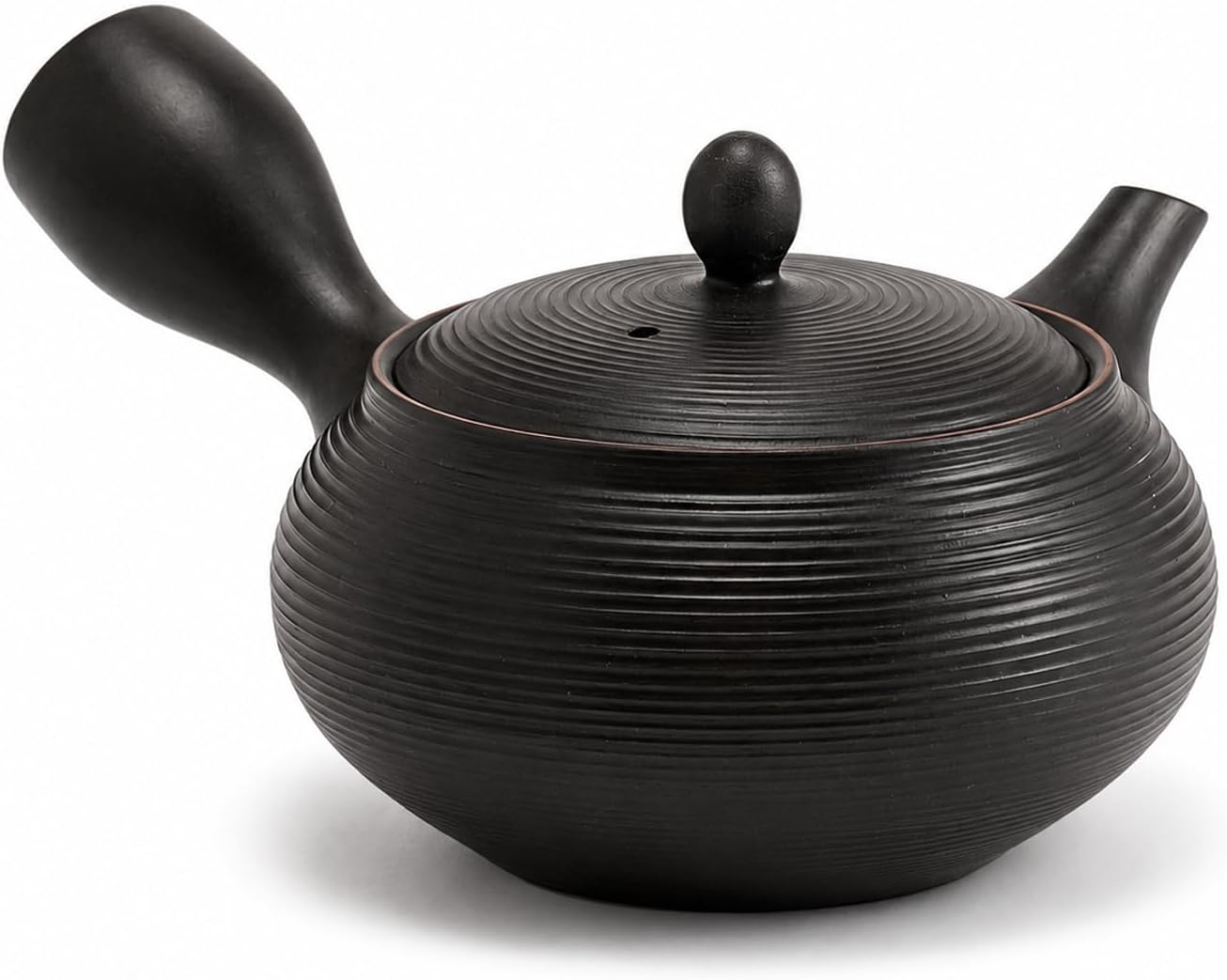
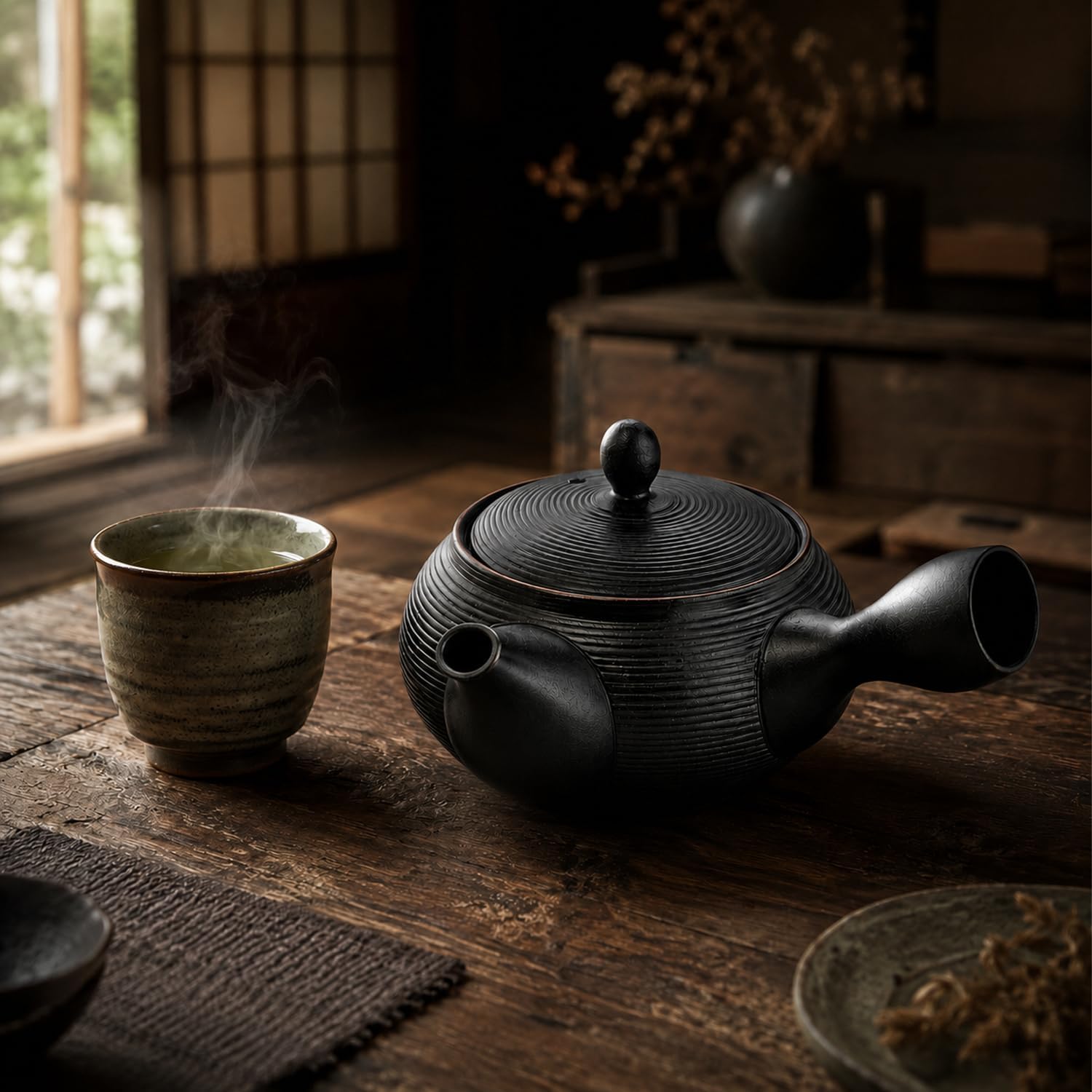
This is the largest pot of the three at 390 ml (13.2 fl oz), also sold by COTONOHA. It measures 3.54 inches tall plus 7.09 inches wide including the handle, yet weighs only about 9 oz empty, lighter than the gray pot.
Like the gray pot, it uses a large round fine mesh strainer for deep-steamed sencha. The body is black clay with fine horizontal ribs, a look common in Tokoname kyusu that also gives your fingers some grip. The handle is oversized compared with many small kyusu, which helps if you find thin handles fiddly.
The price is the catch. At around $60 it costs roughly $20 more than the other two for an extra 20 to 40 ml. Like the gray pot, it had only three ratings when we checked, so durability is still unknown.
It suits a household that drinks green tea for two or three people at a time plus wants one pot that will match a black or neutral tea set.
Compare the Three
| Youhen Kyusu | Mesh Filter, Gray Red | Black, 13.2 oz | |
|---|---|---|---|
| Approx. price | $42 | $40 | $60 |
| Capacity | 350 ml / 11.8 oz (brim) | 370 ml / 12.5 oz | 390 ml / 13.2 oz |
| Strainer | Built-in clay | Large round fine mesh | Large round fine mesh |
| Best for | Standard sencha, hojicha | Fukamushi sencha | Fukamushi, larger servings |
| Weight (empty) | Not listed | About 11.4 oz | About 9 oz |
| Rating (Oct 2026) | 4.5 / 5, 230+ ratings | 5.0 / 5, 3 ratings | 5.0 / 5, 3 ratings |
| Finish | Youhen red-brown, unglazed | Matte gray clay | Black ribbed clay |
If you are buying your first kyusu, start with the youhen pot. It is the only one with a large body of public reviews, its clay strainer suits most green teas plus its price sits in the middle.
If the tea you buy is labeled fukamushi, or you keep finding fine leaf in your cup, choose the gray mesh pot. Pick the black pot only if you want the extra capacity or the black ribbed look, since it costs about $20 more for the same strainer type.
Buyer’s Considerations
Water temperature matters more than the pot. Japanese tea sellers generally suggest water around 70 to 80°C (160 to 175°F) for sencha, which is why many households pour boiling water into the cups first to cool it before it reaches the leaves. A cast iron kettle such as an Iwachu tetsubin is for boiling the water; the kyusu is for brewing.
Pour the pot out completely each time. The last drops are the strongest, while any tea left sitting on the leaves turns bitter before the second infusion. That habit, more than the clay, is what keeps the second plus third cups good.
Care is simple. Rinse with hot water after use, skip detergent on unglazed clay, then dry with the lid off so the inside does not stay damp. If you also drink matcha, that needs a bowl plus whisk rather than a kyusu; our matcha guide covers that side. For the leaves themselves, see our Japanese green tea comparison.
Summary
The Tokoname youhen kyusu is the safe first pot: proven in public reviews, a clay strainer plus a finish that is unique to each piece. Choose the gray mesh pot for deep-steamed sencha. Choose the black pot for the most capacity. Prices change often, so check the current price on Amazon before you buy.
FAQ
What is a kyusu?
A kyusu is a Japanese teapot for brewing loose green tea. The most common type, yokode, has a hollow handle on the side at about a right angle to the spout, which lets you pour with one hand while your thumb holds the lid.
Clay strainer or mesh strainer: which is better?
Neither is better for every tea. A built-in clay strainer adds no flavor plus lasts as long as the pot, but very fine leaf can block it. A fine mesh catches small particles, which makes it the better choice for fukamushi (deep-steamed) sencha.
Can I use a kyusu for black tea or oolong?
Yes, but owners of unglazed clay pots usually keep one pot for one type of tea, since the bare clay gradually takes on the character of what you brew in it. Many start with green tea, then buy a second pot for darker teas.
How many cups does a 12 oz kyusu make?
About two to three small Japanese cups per infusion. Japanese tea cups are small, often around 100 to 150 ml, plus each infusion is poured out fully. If you drink from a large mug, expect one mug per brew.
Are these teapots made in Japan?
All three listings describe the pots as Tokoname ware, the pottery of Tokoname in Aichi Prefecture. Tokoname ware has been designated a Traditional Craft by the Japanese government since 1976. The Amazon listing for each pot names the seller, so check it before you buy.